

Pakistan–Iran Relations: From Shared Borders to Shared Prosperity
As scholar Kofi Annan wisely observed, “Peace and development are two sides of the same coin, one cannot exist without the other.” This timeless idea is clearly reflected in the strengthening...
As scholar Kofi Annan wisely observed, “Peace and development are two sides of the same coin, one cannot exist without the other.” This timeless idea is clearly reflected in the strengthening partnership between Pakistan and Iran, which has entered a new and confident phase grounded in mutual respect, economic partnership, and regional solidarity.
A New Chapter of Bilateral Cooperation
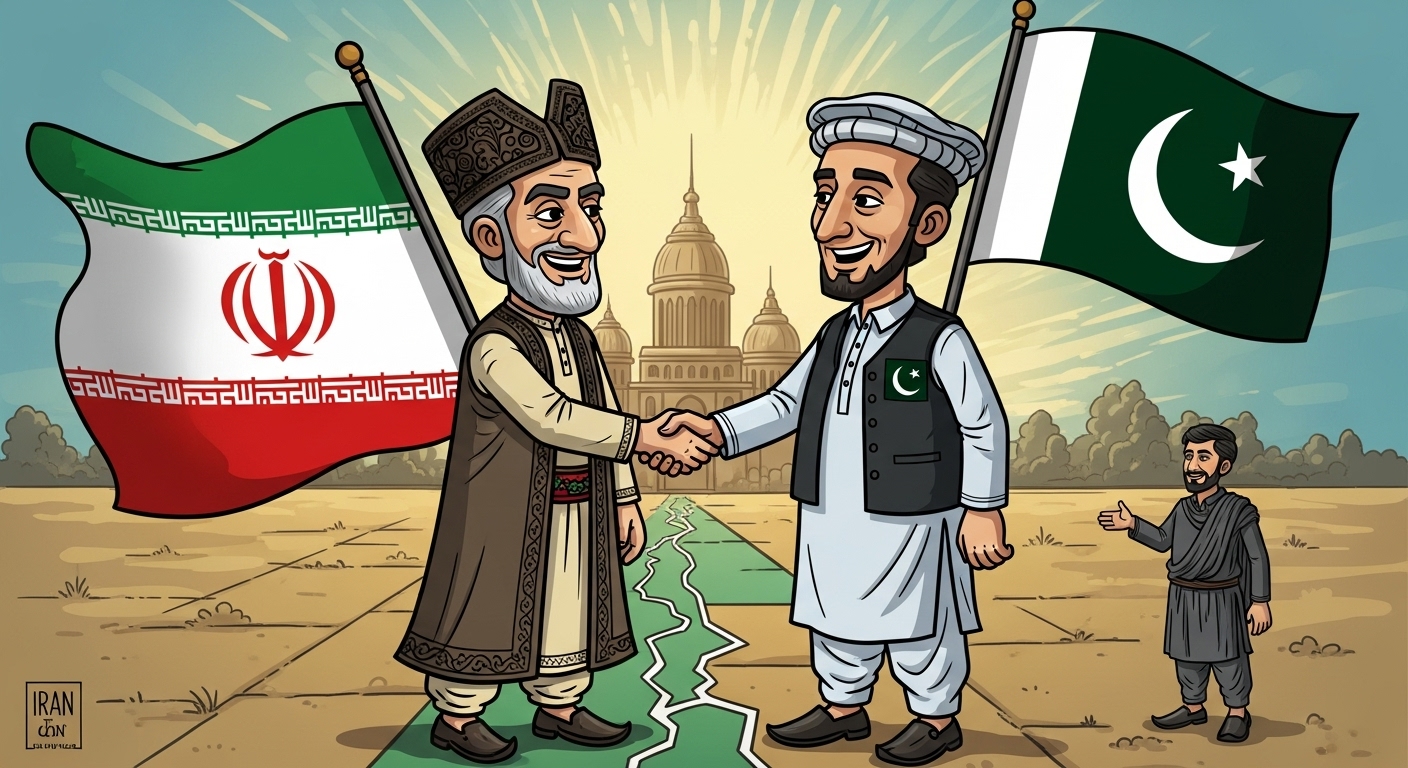
In November 2025, Pakistan and Iran took decisive steps toward deeper cooperation following a series of high-level diplomatic engagements. During the visit of Iranian Parliament Speaker Mohammad Bagher Ghalibaf to Islamabad, both nations reaffirmed their shared commitment to strengthen ties across economic, political, and cultural domains.
Prime Minister Shehbaz Sharif emphasised that “Pakistan is eager to foster cooperation in the fields of mutual interest, including economic development and bilateral trade.” He reiterated that both nations are determined to work together for the unity and progress of the Muslim world through peace and prosperity.
Speaker Ghalibaf, expressing his gratitude, praised Pakistan’s principled stance during the Iran–Israel conflict in June 2025, stating that “the support shown by Pakistan in the 12-day war is deeply appreciated and cherished by the people of Iran.” He further affirmed that both countries believe in the unity of the Muslim Ummah and the message of global peace.
He also lauded National Assembly Speaker Ayaz Sadiq for his contributions to advancing parliamentary diplomacy, describing cooperation between both parliaments as “positive and robust.”
The Engine of Cooperation
Economic partnership stands at the centre of Pakistan–Iran relations. Both sides have announced an ambitious goal to expand bilateral trade from US $3 billion to US $10 billion, turning diplomatic goodwill into measurable outcomes.
Recent agreements include Iran’s plan to import 350,000 livestock from Pakistan and the development of border markets to promote legitimate trade and local prosperity. Both sides have also agreed to modernise customs infrastructure and improve logistics to facilitate smoother cross-border commerce.
According to official trade data, Iran’s non-oil exports to Pakistan reached US $420 million in the first quarter of its 2025 fiscal year, while Pakistan’s imports from Iran, mainly petroleum and mineral products, stood at US $1.2 billion in 2024. Trade in non-oil goods grew by nearly 10% in 2025, demonstrating how Pakistan’s agricultural strength complements Iran’s industrial and energy potential, creating a balanced and mutually beneficial economic relationship.
Security and Border Management
Beyond trade, both nations are strengthening cooperation along their 900-kilometre shared border to ensure peace and development. The establishment of new border markets, improved patrol coordination, and joint development planning reflect a commitment to cooperative security, recognising that prosperity is only possible through stability.
Cultural Diplomacy and Soft Power
Recent MoUs signed in Islamabad, covering media, culture, and education, mark a new era of soft-power engagement. Joint media productions, academic collaborations, and language exchange programmes are deepening people-to-people connections. These initiatives embody the constructivist principle of diplomacy: that shared narratives and cultural understanding build lasting peace and trust between societies.
📄 POLICY WIRE WHITEPAPER PUBLISHED: PAKISTAN'S NATIONAL SECURITY POLICY PRIORITIES
👉 READ BY CLICKING HERERegionalism and Strategic Vision
Pakistan and Iran’s renewed engagement underscores the spirit of regionalism, neighbours working together for shared progress. Through frameworks like the Economic Cooperation Organization (ECO), both countries are promoting positive bilateralism, a foreign policy grounded in equality, mutual trust, and pragmatic cooperation.
This evolving partnership is not merely symbolic; it reflects a strategic shift toward actionable diplomacy, where political will is matched by concrete outcomes in trade, infrastructure, and social exchange.
The Way Forward: Turning Vision into Reality
To sustain this momentum, both nations should institutionalise cooperation through the establishment of a Pakistan–Iran Joint Economic Council. They can further upgrade infrastructure at major border crossings to enhance trade efficiency and connectivity. Expanding collaboration in textiles, machinery, and technology sectors will help diversify bilateral trade, while stronger private-sector partnerships can drive investment and innovation.
At the same time, both sides should broaden educational and cultural exchanges to foster mutual understanding and deepen public goodwill.
Conclusion
The 2025 phase of Pakistan–Iran relations reflects renewed confidence, shared vision, and practical cooperation. Through progress in trade, agriculture, border management, and cultural connectivity, the two nations are transforming a historical friendship into a strategic partnership built on trust and purpose.
Guided by economic diplomacy and Islamic solidarity, Pakistan and Iran stand today as an example of how neighbouring states can achieve peace and prosperity through cooperation rather than competition. Their partnership is no longer a distant aspiration; it is an emerging reality that strengthens not just both nations, but the unity and progress of the entire Muslim world.
Author