
Albuquerque’s Perpetual Paradox: Another Fatal Shooting Ignites Police Oversight Debate
POLICY WIRE — Albuquerque, New Mexico — Another Monday, another police shooting video. You’d think the shock would wear off, but it doesn’t. Especially not here in Albuquerque, a city that...

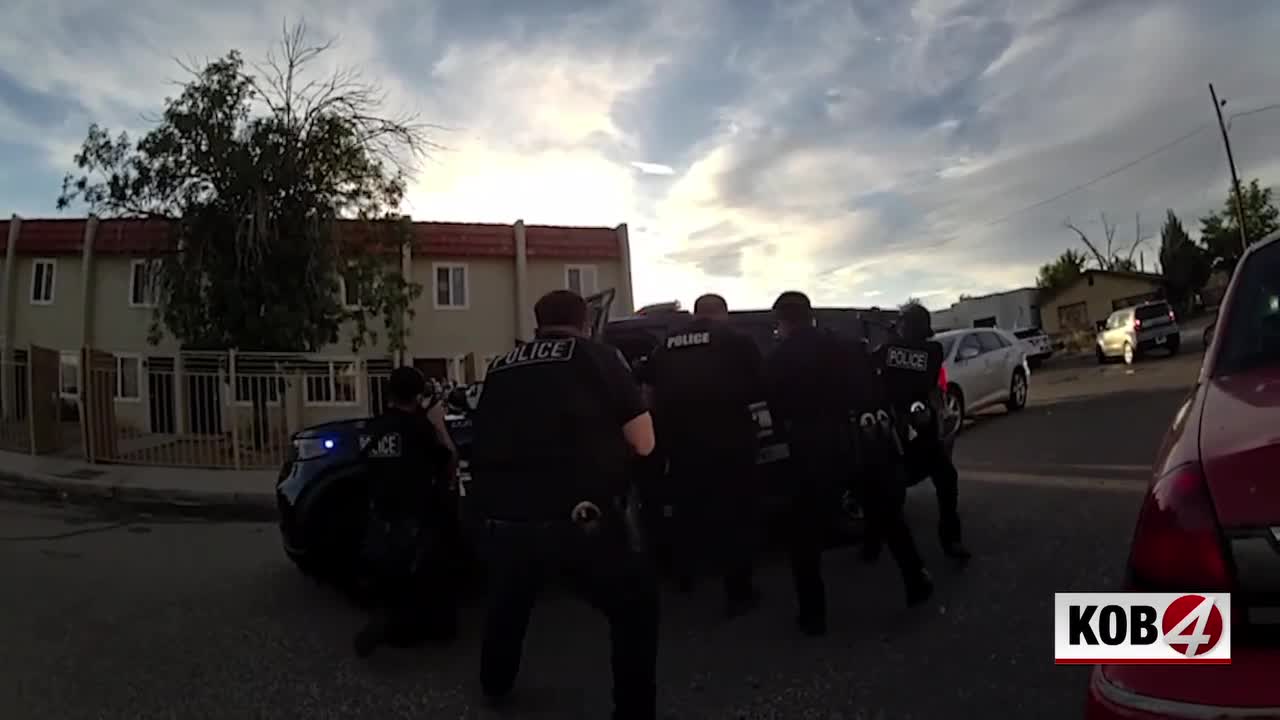
POLICY WIRE — Albuquerque, New Mexico — Another Monday, another police shooting video. You’d think the shock would wear off, but it doesn’t. Especially not here in Albuquerque, a city that often feels caught in a perpetual loop of tragic encounters and procedural reviews. This time, the raw, unfiltered footage released by the Albuquerque Police Department offers a stark, chilling window into the final moments of Jose Armas, a 23-year-old whose desperate cries for help culminated in a fatal exchange of gunfire.
It wasn’t a bank heist gone wrong. It wasn’t a high-speed chase ending in a fiery crash. It began, disturbingly, with a welfare check. Officers responded to a call concerning Armas threatening self-harm. He emerged, unarmed, then retreated back into his residence. And that, right there, is the rub. Because the subsequent bodycam footage, now widely disseminated, shows him re-emerging with a gun, firing at officers, shattering a patrol car windshield, before they returned fire, killing him.
The incident, unfolding Tuesday evening near Eighth Street and Bellamah Avenue, has once again plunged the city into the familiar, uncomfortable dialogue about police protocol, crisis intervention, and lethal force. Two officers sustained shrapnel injuries; they’re lucky, perhaps. The bullets missed vital organs, unlike the ones that found Armas.
“Cops could have and should have stopped him from ever going back over here but they let him and scared him back into the house, prompting him to get a weapon,” lamented Elier Ramirez, Armas’ brother, his words carrying the sharp sting of what-ifs that inevitably follow such events. And he’s not wrong to question the timeline, the moments that preceded the irreversible. Every second, every decision point, now scrutinized frame-by-frame by the public — and a multi-agency task force.
APD Chief Cecily Barker, her voice typically measured amidst the storms, confirmed the injuries but kept policy discussion tight-lipped, pending investigations. “Our officers faced an immediate — and lethal threat,” Chief Barker stated, adhering to the standard departmental script. “Their actions, under extreme duress, are being thoroughly reviewed to ensure adherence to our training and policies.” But it’s an outcome few consider a victory, regardless of findings.
A police chief in a different metropolis, familiar with such public inquests (we’ll call him Chief Ahmed Khan from a large Mid-Atlantic force, for argument’s sake), often speaks on the inherent dangers and complexities. “You’re not just policing crime anymore; you’re often the first—and sometimes last—line of response for a mental health crisis, an addiction spiral, or social collapse,” he once told Policy Wire. “We’re stretched. The public expects social workers with badges, but they don’t give us the training or the resources to fully be that.” It’s a refrain heard often, from Albuquerque to Karachi, where police forces, burdened and underfunded, contend with similar societal pressures and calls for accountability, often under an equally unforgiving global spotlight of citizen journalism.
This shooting, APD’s second in three days, merely compounds the pressure cooker. We’ve seen this script play out too many times. According to a 2022 report by the Washington Post, officers nationally fatally shot 1,067 people in 2022, marking a peak not seen since at least 2015. Many involve individuals exhibiting signs of mental distress. You don’t need a PhD in criminology to see a pattern.
What This Means
This incident is more than a tragic footnote; it’s a stark reflection of the systemic gaps in how American cities, including Albuquerque, handle mental health emergencies. Politically, this footage fuels the relentless pressure for robust policing reforms and greater investment in non-law enforcement crisis intervention teams. Mayor Tim Keller’s administration, already wrestling with a federal consent decree, will find itself under renewed scrutiny to demonstrate tangible progress.
Economically, every task force investigation, every lawsuit, every required training adjustment means city resources are diverted—resources that could otherwise bolster community services designed to prevent these tragic encounters. It’s an ouroboros of funding, always circling back to response, rarely reaching true prevention. The challenge isn’t just about reviewing tactics; it’s about acknowledging that sometimes, law enforcement isn’t the best-equipped first responder. And until that systemic shift truly takes root, Albuquerque, and cities like it, will likely keep replaying these grim reels.