


Padres’ Fragile Revival: Tatis Offers Fleeting Hope Amidst High-Stakes MLB Scrutiny
POLICY WIRE — San Diego, California — Sometimes, the heroics aren’t really heroic. They’re just… timely. A stopgap. Fernando Tatis Jr. — a man whose name once conjured highlight reels, now...

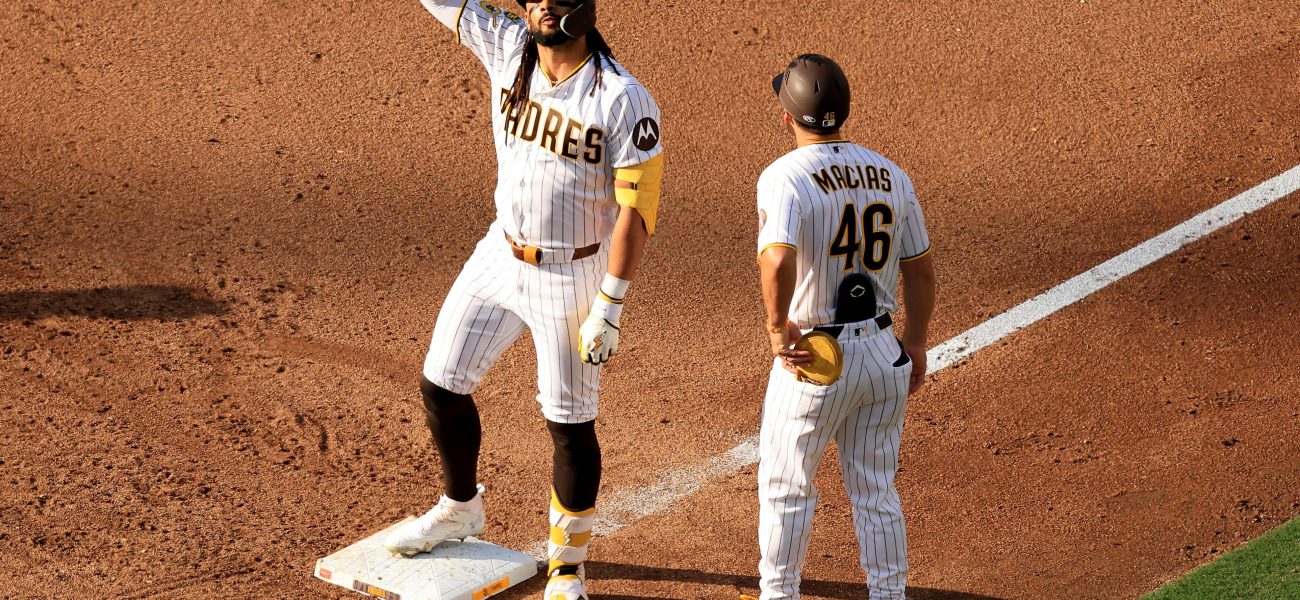
POLICY WIRE — San Diego, California — Sometimes, the heroics aren’t really heroic. They’re just… timely. A stopgap. Fernando Tatis Jr. — a man whose name once conjured highlight reels, now often sparks whispered conversations about consistency and cost-per-performance — delivered a fifth-inning RBI single against the St. Louis Cardinals that wasn’t pretty. It didn’t launch into the upper deck. But it snapped a brutal 21-inning scoring drought, delivering a precarious 4-2 victory that felt less like a triumph and more like an exasperated sigh of relief across San Diego.
Because let’s be blunt: the Padres were flailing. Not in some genteel, ‘oh, well, it’s early’ way. More like a ship taking on water, listing badly after dropping the first two games of this series. They were dead in the water, an offense suddenly allergic to anything resembling a run. And then Tatis, moved to the second spot in the lineup by skipper Craig Stammen, finds a gap. Two runs score. Suddenly, life. It’s funny how that works, isn’t it? One swing, one split-second decision, — and the narrative pivots. It didn’t solve everything, didn’t promise a paradise tomorrow, but it bought them a moment, a breath.
Padres Manager Craig Stammen, usually reserved, reflected on the moment with a pragmatic nod. “Look, this league, it doesn’t care about your past contracts or your potential,” Stammen told Policy Wire, leaning against the dugout wall, a half-empty coffee cup clutched in his hand. “It only cares about today. Tatis delivered today. That’s the grind. That’s what we expect. Every single time. He did his job, plain and simple.” It’s the kind of blunt assessment that reminds you why baseball players aren’t just athletes; they’re very expensive, very scrutinized corporate assets.
The bullpen, predictably, earned its pay. Randy Vásquez started well enough, giving up a single run through five. But the real high-wire act? That belonged to Mason Miller, whose 12th save of the season now tops MLB’s charts, as per publicly available MLB data. He pitched a four-out save — his second this season — and made it exceptionally interesting by walking the first two batters in the ninth. But he worked out of it, striking out the side with a theatrical flourish after a dropped third strike added another runner. You could almost feel the collective clench in the stands.
But the tightrope walk wasn’t lost on the opposition. Dale Carter, an advance scout for the Cardinals, offered a dispassionate view. “They got the key hit; we didn’t. Miller struggled, then found it. That’s baseball,” Carter remarked to reporters after the game. “But you can tell their lineup’s got some holes. If you can force the starters out, you expose their depth. And that’s what we look for, consistently. You can’t survive just on heroics forever, not at this level.”
And survive is precisely the word for what the Padres are doing. The specter of impending financial decisions hangs heavy over Petco Park. Today, they face Kyle Leahy, a right-hander from the Cardinals who’s been more serviceable than spectacular with a 4.93 ERA across his seven starts. But the Friars’ own starter, Walker Buehler, is on shakier ground. A 5.64 ERA in 30 1/3 innings puts his job on the line. He’s essentially auditioning for his roster spot against Lucas Giolito, who’s breathing down his neck from Triple-A. That’s the raw, mercenary side of sports, isn’t it? No sentiment, just performance metrics. And it’s brutal.
What This Means
This single victory, while crucial for morale and halting a slide, is little more than a band-aid on a gushing wound for the San Diego Padres organization. It speaks to a deeper malaise regarding roster construction and long-term financial commitments, echoing broader trends in global sports where immense contracts often fail to translate into consistent on-field excellence. Owners pour billions into player salaries, yet fan engagement—and the vital revenue streams it provides—remains tethered to win-loss records, often shifting dramatically with a handful of pivotal plays. A club like the Padres, boasting some of baseball’s priciest talent, yet struggling to establish dominance, exemplifies the razor’s edge many modern franchises tread. They’ve bet big, but they’re not always winning big, leaving fans and local economies – heavily dependent on robust team performance for peripheral tourism and hospitality spending – in a perpetual state of anxiety. It isn’t just about baseball; it’s about the intricate high-stakes calculus of a global sports economy, where even perceived success can carry latent risks. the global hunger for athletic spectacles, evidenced by surging interest in leagues like the IPL in India—where a 15-year-old firestorm has emerged from cricket’s gold rush—illustrates how regional sports economies are increasingly interconnected, with player values and fan expectations set against a global backdrop of competition and entertainment demands, including those among the growing Pakistani and South Asian diaspora actively following global sports leagues, American baseball not excluded.