


Parish Playbook: Louisiana Coach’s Return Signals Deeper Rural Shifts
POLICY WIRE — Natchitoches, Louisiana — It often feels like the seismic shifts impacting American society, those grand narratives of economic migration and cultural evolution, are only ever discussed...

POLICY WIRE — Natchitoches, Louisiana — It often feels like the seismic shifts impacting American society, those grand narratives of economic migration and cultural evolution, are only ever discussed in terms of sprawling metropolises or the hallowed halls of academia. But sometimes, the quiet desperation—or the renewed hope—of a small town speaks volumes. And in Natchitoches, deep in the historical heartland of Louisiana, the hiring of a high school football coach quietly signals currents far beyond the local gridiron.
Jacob Carruth, a man whose coaching trajectory has traced a curious, somewhat meandering path across the state, has accepted the top job at St. Mary’s School. You wouldn’t think a regional coaching change would make much of a ripple on Policy Wire, would you? But peel back the layers of “hometown hero returns” cliches, and you uncover a narrative of community survival, familial anchoring, and the raw, often unglamorous pursuit of stability in an era that frequently denies it to many.
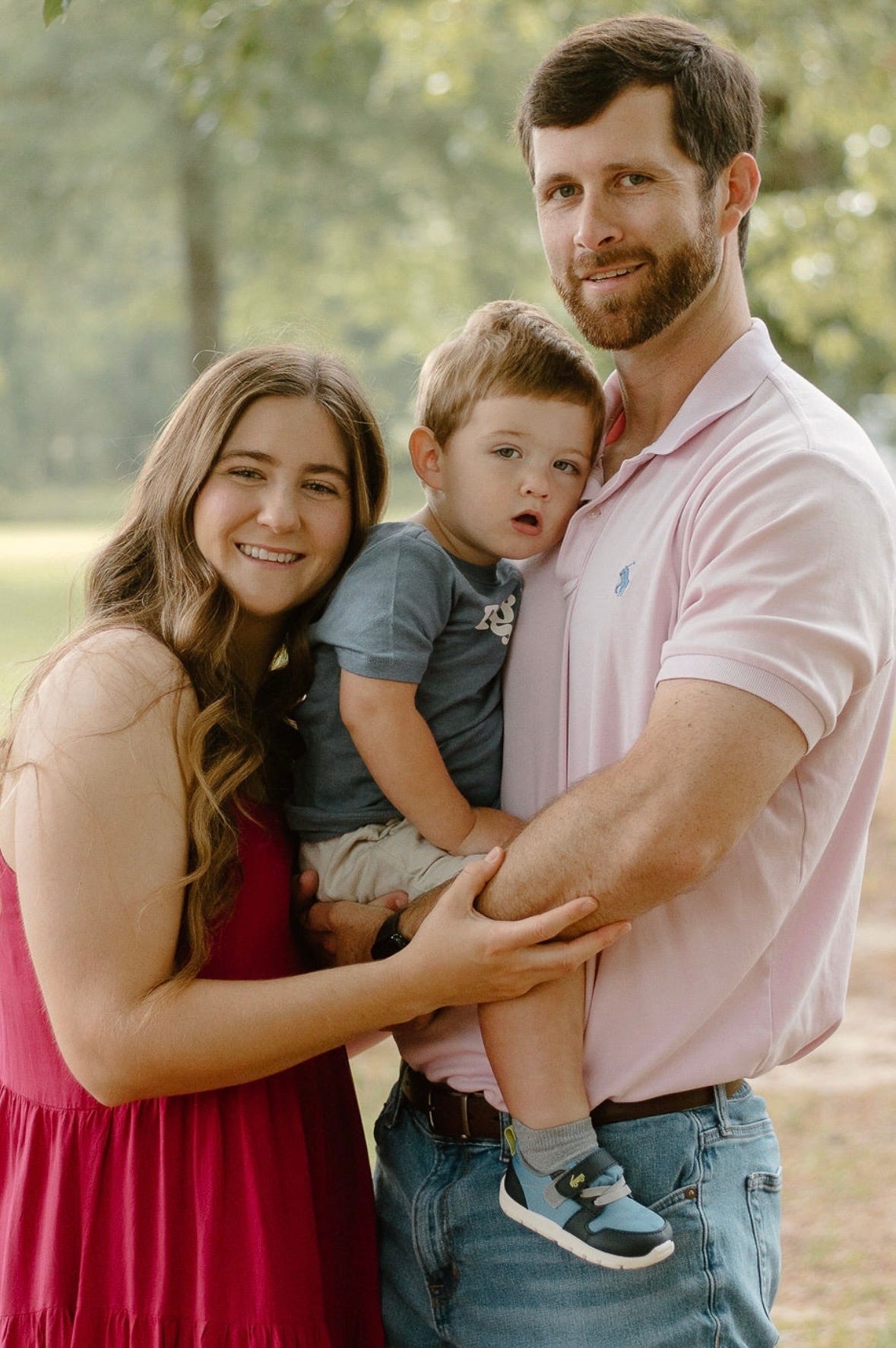
Carruth, a former tight end for Captain Shreve, isn’t new to the hustle. He’s had two other head coaching stints, most recently at Catholic Pointe-Coupee since 2023. “We loved the community in New Roads and had a lot of success,” Carruth confirmed to local outlets, a boilerplate sentiment that masks a universal human truth. “However, with our second child on the way we started thinking about moving closer to family.” And just like that, a personal calculus became a professional pivot. It’s a story as old as time, really—this yearning for ‘home,’ this push for familial closeness. It’s a sentiment that resonates from the quiet parishes of Louisiana to the bustling bazaars of Rawalpindi, where preserving communal ties often supersedes individual career ambition.
St. Mary’s, despite its storied past, hasn’t been an unstoppable force on the field lately, finishing a rather middling 5-5 in each of the past two seasons. That’s not exactly the kind of record that makes national headlines. But to Natchitoches, a community facing its own demographic and economic pressures, this hiring represents more than wins and losses; it’s an investment in something more fundamental.
And school officials are betting big. Ms. Eleanor Vance, St. Mary’s Dean of Students, articulated the board’s high expectations, not without a trace of the kind of wry observation one acquires managing budgets in tough times. “We weren’t just hiring a coach,” she remarked dryly, “we were investing in a statement for our entire community. These are lean times, and success—even on the gridiron—can feel like a luxury, but it’s a necessity for morale.”
Because, make no mistake, sports—especially high school football in the American South—isn’t just a game. It’s a social anchor, an economic driver, a communal touchstone. It’s where identities are forged, — and often, where dwindling populations find common cause. Louisiana’s rural parishes, a category Natchitoches uneasily straddles, have experienced a collective population decline of over 7% in the last decade, according to recent U.S. Census Bureau estimates. That’s a hard statistic for any community to swallow, much less reverse. Programs like a robust football team—a “perennial powerhouse” as St. Mary’s once was—become symbolic bulwarks against such trends.
Carruth certainly seems to understand the weight of expectation. “I have heard nothing but great things about St. Mary’s — and they’ve a history of consistent success in football,” he’s been quoted as saying. But there’s a pragmatism, almost a weariness, in his voice that suggests he also understands the stakes. “After meeting the administration, I knew immediately they’re hungry to get back to that level. The job seems to check all the boxes a coach looks for: talented players, supportive community, and an administration that supports coaches and gives them the tools necessary to succeed.” He’s not just talking about X’s and O’s, is he? He’s talking about an infrastructure of support, a collective will that’s increasingly precious in an economically frayed landscape. It’s the same kind of comprehensive backing a leader needs, whether they’re building a sports dynasty or, say, managing a complex regional energy initiative.
The movement of coaches, athletes, and their families isn’t merely about athletic ambition; it often mirrors the broader societal movement towards perceived stability or opportunity. It’s about making ends meet, building a family, finding a sense of belonging that a transient existence sometimes denies. And yes, a coaching gig, particularly in small-town Louisiana, offers a specific kind of community embedment—a “cultural contract,” if you will, that extends well beyond game days.
What This Means
Carruth’s appointment, ostensibly a sports story, carries potent implications for the political and economic fabric of North Louisiana. It underscores the continued efforts of smaller communities to leverage their existing cultural capital—in this case, high school athletics—as a bulwark against demographic decline and economic stagnation. When a coach “returns home” or seeks proximity to family, it speaks to a deeper recognition that social capital—family ties, community roots—are becoming increasingly valuable in an otherwise mobile workforce. The school isn’t just investing in a football program; it’s subtly signaling its commitment to revitalizing a core aspect of its town’s identity. For policy makers, it’s a stark reminder that investment in local institutions, however seemingly minor, can play an outsized role in attracting and retaining talent, even if that talent is measured by touchdowns and defensive stops rather than industrial output or corporate mergers. The success, or failure, of this kind of venture isn’t confined to Friday night lights. It directly influences everything from property values to local business revenue, shaping the overall “livability index” of places like Natchitoches. This isn’t unlike the intricate diplomacy of locker room dynamics that mirror larger geopolitical chess games, or indeed, the struggles of developing nations to retain their skilled professionals. The stakes are, in their own way, quite high. His journey also reflects a persistent, perhaps idealistic, hope for a more rooted existence that often drives decisions in less economically robust areas, making him a bellwether for wider societal preferences. These shifting foundations of modern American life, from housing to human resilience, play out vividly in these local choices. “I can’t wait to get to work on making Tiger football the pride of Natchitoches,” Carruth promised. That pride, for many, is indistinguishable from survival itself.