


Nvidia CEO Jensen Huang: AI Assistants Will Micromanage, Not Eliminate Jobs
POLICY WIRE — Santa Clara, California — Jensen Huang, the visionary CEO of chipmaking giant Nvidia, has offered a distinctive perspective on the evolving role of artificial intelligence in the...

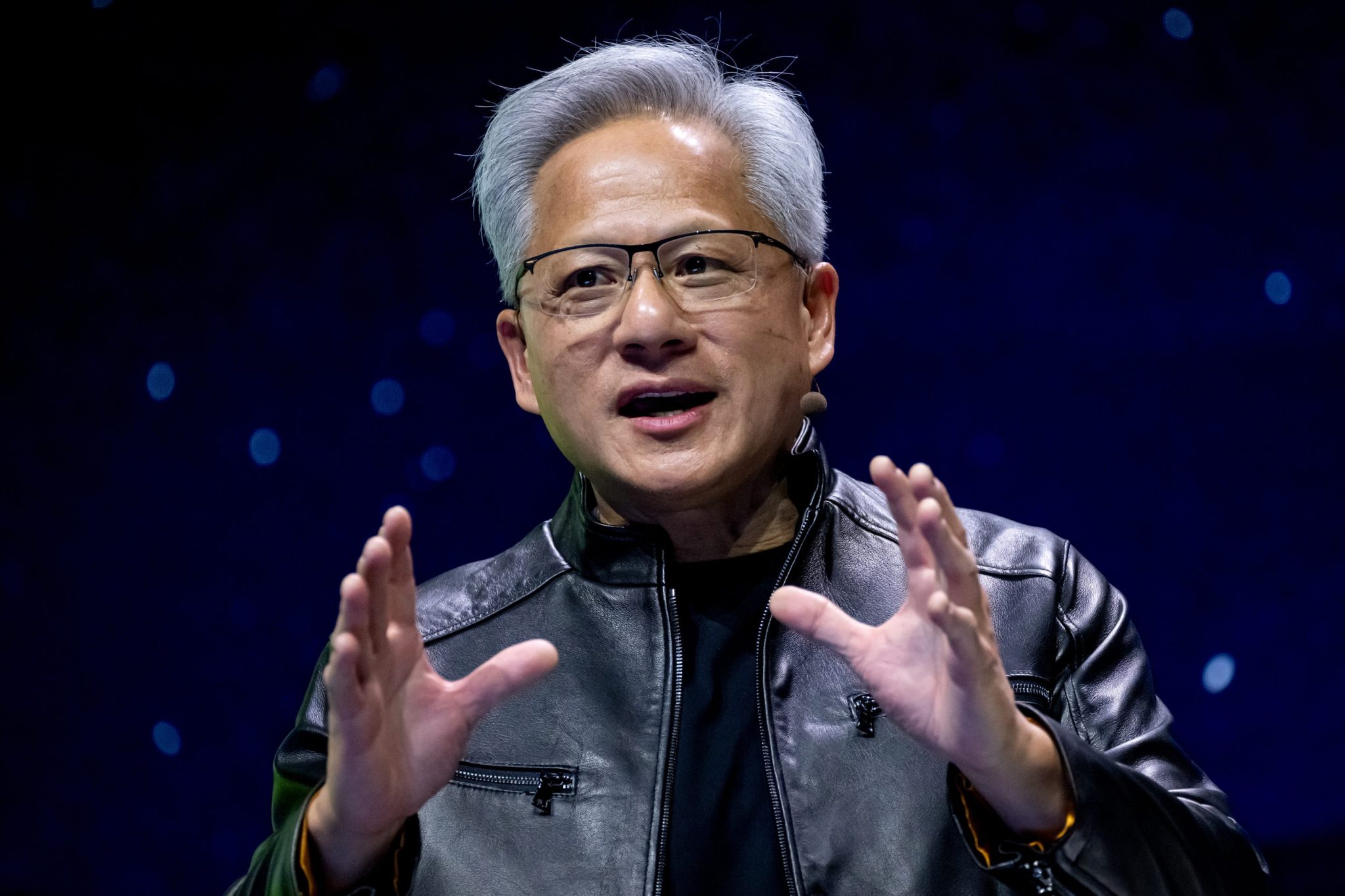
POLICY WIRE — Santa Clara, California — Jensen Huang, the visionary CEO of chipmaking giant Nvidia, has offered a distinctive perspective on the evolving role of artificial intelligence in the workplace, suggesting that AI assistants are more likely to become intrusive managers than widespread job eradicators.
During a recent discussion, Huang articulated his belief that these sophisticated digital tools would exert significant influence over human tasks. He emphasized that instead of rendering human employees obsolete, AI would take on a supervisory role, meticulously overseeing work processes and providing constant guidance to ensure optimal performance.
Redefining AI’s Workplace Role
Huang’s prognosis challenges the prevalent fears surrounding mass unemployment due to advancements in artificial intelligence. He envisions a future where AI integrates deeply into daily workflows, acting as a diligent, albeit demanding, digital supervisor.
“They’ll be micromanaging you,” Huang stated, underscoring the granular level of oversight he expects from future AI systems. This paradigm shift positions AI as a complementary force, enhancing productivity and precision rather than directly usurping human functions.
This outlook contrasts sharply with widespread anxieties concerning AI’s potential for job displacement across various sectors, where human skills remain crucial. The emphasis, according to Huang, will be on how humans adapt to working alongside these ever-present digital overseers.
The Future of Human-AI Collaboration
The Nvidia chief’s comments highlight a critical distinction between automation that replaces human labor and augmentation that enhances it. In this envisioned future, individuals would continue to perform core tasks, but with an AI constantly monitoring, correcting, and optimizing their efforts.
Such a dynamic could lead to unprecedented levels of efficiency and quality in various industries. However, it also raises questions about worker autonomy, privacy, and the psychological impact of constant digital supervision.
Nvidia remains at the forefront of developing the hardware and software foundational to these advanced AI capabilities. The company’s accelerators and platforms are instrumental in powering the generative AI models that form the basis of these powerful digital assistants, shaping the very tools Huang discusses.
The discussion around AI’s impact on employment continues to evolve, with leaders like Huang offering nuanced perspectives that move beyond simplistic narratives of job loss. Instead, the focus shifts to how the workforce will integrate and collaborate with increasingly sophisticated artificial intelligences.
Read More: Japan’s Competitive Graduate Job Market: 1.75 Openings Per Student Strains Finance Recruitment