


California Launches Landmark Antitrust Suit Against Amazon Over Alleged Price Inflation
POLICY WIRE — Sacramento, California — The State of California has initiated a significant legal challenge against Amazon, alleging that the e-commerce giant pressured third-party sellers to maintain...

POLICY WIRE — Sacramento, California — The State of California has initiated a significant legal challenge against Amazon, alleging that the e-commerce giant pressured third-party sellers to maintain inflated prices on rival platforms, thereby stifling competition and potentially harming consumers.
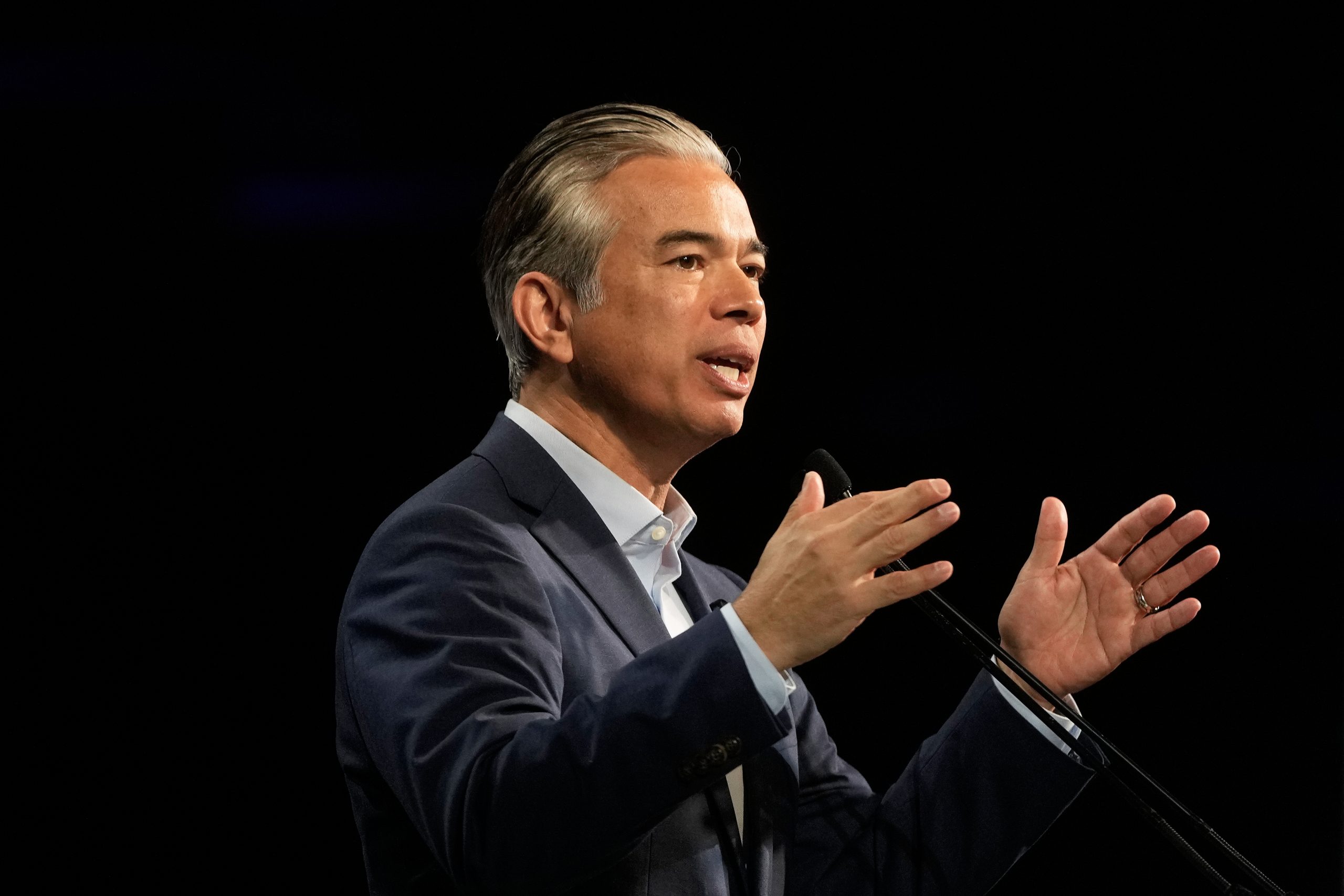
Attorney General Rob Bonta announced the lawsuit, contending that Amazon’s contractual agreements and policies effectively barred retailers from offering their products at lower prices on websites such as Walmart or eBay. This practice, according to the lawsuit, eliminates competitive pricing incentives across the broader online marketplace.
The Core Allegations
The legal complaint, filed in San Francisco Superior Court, asserts that Amazon’s practices violate California’s stringent antitrust and unfair competition laws. Specifically, the state argues that Amazon’s contractual clauses penalized sellers who offered better deals elsewhere, leading to a ripple effect of higher prices for goods.
“For years, California consumers have paid more for their online purchases because of Amazon’s anti-competitive contracting practices,” stated Attorney General Bonta. “This lawsuit aims to put an end to Amazon’s dominance by ensuring fair competition in the digital retail space.”
The lawsuit details how Amazon’s market power, particularly its role as a dominant online retailer, allowed it to dictate terms that ultimately disadvantaged both sellers and consumers. It suggests that if a seller offered a lower price on a competitor’s site, Amazon would make their products less visible on its own platform, or even suspend their account.
Impact on Online Retail and Consumers
This action by California could have far-reaching implications for the entire online retail sector, potentially reshaping how major e-commerce platforms interact with third-party sellers. Critics argue that such practices limit consumer choice and artificially inflate prices across various online storefronts, not just Amazon’s.
The state is seeking an injunction to prohibit Amazon from engaging in these alleged anti-competitive behaviors, as well as monetary damages to compensate consumers for overpayments. This legal battle highlights growing scrutiny over the power of tech monopolies.
Read More: Islamabad at the Crossroads of Diplomacy and Risk
Amazon’s Expected Defense
Historically, Amazon has defended its pricing policies by stating that they are designed to ensure competitive pricing for its customers and prevent price gouging. The company maintains that its policies prevent sellers from offering higher prices on Amazon than they do on other platforms, thus benefiting consumers.
However, the California lawsuit focuses on the inverse: preventing sellers from offering lower prices elsewhere. This distinction is crucial in the antitrust argument. The outcome of this case could set a precedent for how other states and federal regulators approach similar allegations against major tech companies.
Regulators globally are increasingly examining the market dominance of digital platforms. For instance, discussions around economic shifts and market dynamics are also seen in other sectors, such as Japan’s Competitive Graduate Job Market, where market forces are intensely studied.