


Warsaw’s Gambit: Poland Unpicks EU Red Tape, Charting a Solo Deregulation Path
POLICY WIRE — Warsaw, Poland — The European Union, bless its bureaucratic heart, has always fancied itself a grand harmonizer, a conductor orchestrating a continent-wide symphony of regulations. But...

POLICY WIRE — Warsaw, Poland — The European Union, bless its bureaucratic heart, has always fancied itself a grand harmonizer, a conductor orchestrating a continent-wide symphony of regulations. But a quiet hum is now emanating from Warsaw, one that suggests Poland isn’t quite content with its assigned sheet music. They’re rewriting the score, you see, presenting their own take on efficiency—a bold, some might say audacious, bid to establish itself as a deregulation trailblazer within the very bloc known for its labyrinthine rules.
It’s an interesting flip of the script. For years, Poland often found itself in the EU’s crosshairs, particularly over rule-of-law squabbles. Now, it’s pitching itself as a laboratory for lighter governance, demonstrating a philosophy that fewer rules mean faster growth, plain and simple. And Brussels? Well, they’re watching. With varying degrees of alarm — and curiosity, naturally. You’ve got to wonder if this isn’t Poland giving a subtle, well-placed jab at the very top-heavy system it’s still very much a part of.
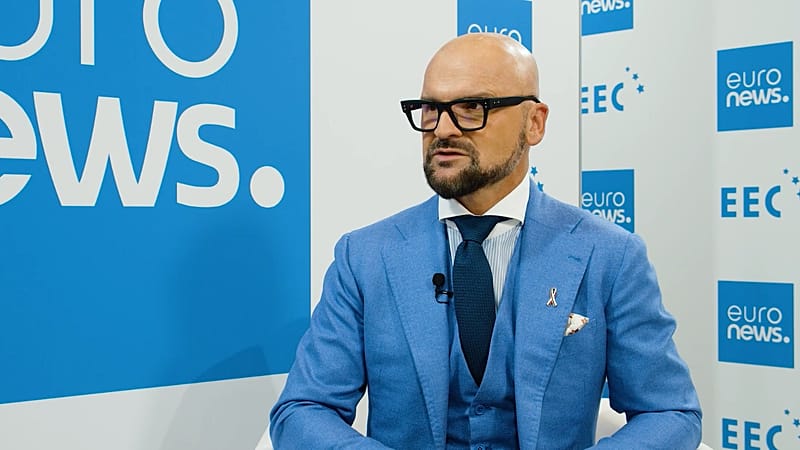
“We’ve been clear: economic dynamism doesn’t thrive under an oppressive blanket of unnecessary paperwork,” remarked Krzysztof Hetman, Poland’s Minister of Development and Technology, in a recent interview. “Our reforms aren’t just about making life easier for our own businesses; they’re about showcasing a functional alternative, a way to breathe life back into Europe’s economic engine.” He’s betting Poland’s pragmatic approach might just rub off, especially on those member states tired of wading through legislative molasses.
But not everyone’s thrilled with Warsaw’s unilateral gusto. Margrethe Vestager, Executive Vice-President of the European Commission for A Europe Fit for the Digital Age (say that five times fast), often vocal about common standards, expressed caution. “The strength of our single market rests on a shared regulatory framework. We mustn’t forget that. Any national efforts must complement, not complicate, this crucial objective,” she told reporters last month, hinting at concerns about potential market fragmentation or unfair competitive advantages.
But. You can’t argue with results, can you? Or, at least, the promise of them. The Poles are aiming to cut administrative burdens, streamline permits, and generally make the business landscape less… sticky. It’s the kind of pragmatic push that, if successful, could resonate far beyond Europe’s borders. Think about emerging economies struggling with their own regulatory quagmires. Many nations, from Southeast Asia to the Middle East, including places like Pakistan, grapple daily with the very same issues Poland is tackling head-on. Bureaucracy, corruption, inconsistent policy application—these are the banes of development everywhere. Just try starting a large-scale project in Islamabad; the red tape can be as formidable as the Hindu Kush.
Indeed, Poland’s reforms might, on some level, even catch the eye of policymakers in Islamabad, where simplifying business registration and reducing export-import hurdles remains an ongoing battle. Pakistan’s struggle with regulatory frameworks, which contribute to a comparatively low ease of doing business ranking, stands in stark contrast to Poland’s deliberate unburdening. It’s a compelling juxtaposition: a nation within the EU system deliberately diverging towards less regulation, while developing economies continue to look for ways to escape similar strictures that stifle growth and deter foreign direct investment.
A hard statistic often makes the point best, doesn’t it? Poland, in its ongoing drive, has managed to shave approximately 30% off the average time required to register a new limited liability company over the past five years, according to figures released by Poland’s Ministry of Entrepreneurship and Technology. That’s real-world impact, meaning less time spent shuffling papers — and more time actually building things. You could call it a stark contrast to some reports from Pakistan’s Karachi Chamber of Commerce and Industry, for example, which frequently cite processing delays measured in months, not days, for essential permits and licenses.
What This Means
Poland’s aggressive deregulation isn’t just an economic tweak; it’s a political statement. It chips away at the conventional wisdom of EU-centric regulatory harmonization, challenging the idea that Brussels knows best for every single economic facet. If Warsaw manages to demonstrate substantial economic gains from its ‘less-is-more’ philosophy, other members—particularly those in Central and Eastern Europe with their own nationalist-leaning, sovereignty-minded governments—might just get ideas. And that, dear reader, could introduce some fascinating new wrinkles into the very fabric of the European project. It could be seen as a template for addressing administrative overheads that hinder national growth, an alternative vision to strict compliance. this domestic focus on cutting red tape doesn’t preclude engaging globally; in fact, a more efficient internal market only makes a nation more attractive to international trade and investment. It speaks to a subtle, yet powerful, reshaping of national economic priorities within the larger EU framework, prioritizing nimble domestic growth even if it occasionally diverges from the larger EU consensus. A high-stakes gamble, sure. But then, politics always is.