

Nagelsmann’s Audacious Gambit: Old Guard Trumps Youth in Germany’s World Cup Goalkeeping Showdown
POLICY WIRE — Berlin, Germany — The axe has fallen, swift and unsparing, and its clang echoes far beyond Germany’s football pitches. Julian Nagelsmann, the architect of Germany’s World Cup ambitions,...

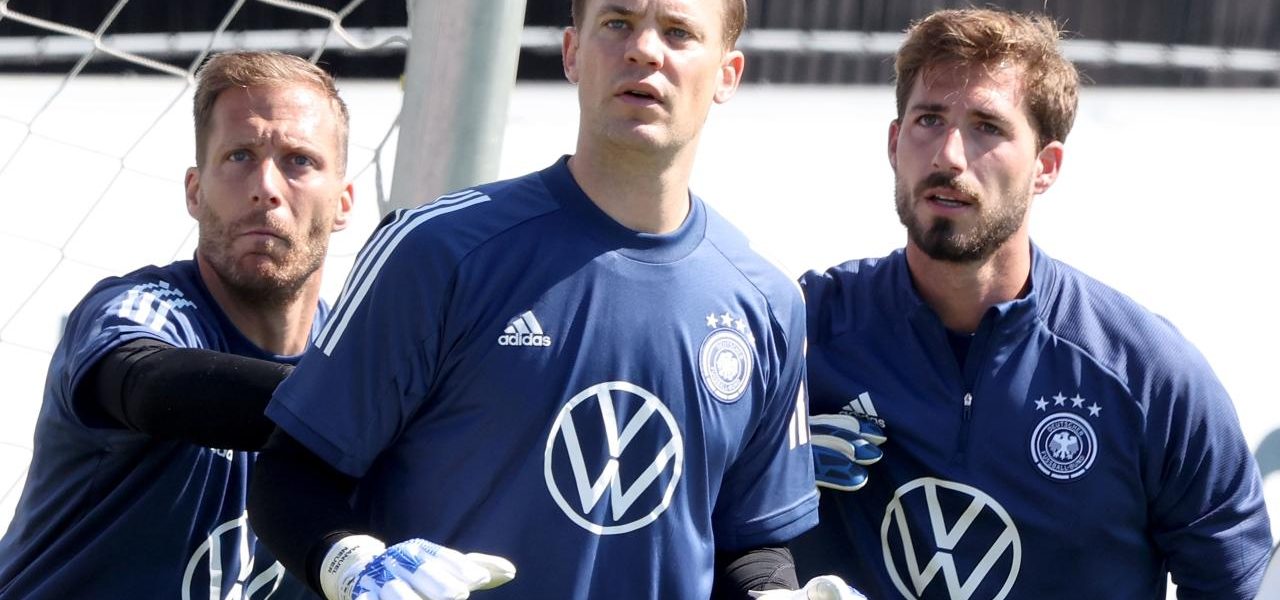
POLICY WIRE — Berlin, Germany — The axe has fallen, swift and unsparing, and its clang echoes far beyond Germany’s football pitches. Julian Nagelsmann, the architect of Germany’s World Cup ambitions, just made a cold calculation, delivering a sharp elbow to one of his squad’s most loyal performers. Oliver Baumann, a keeper who’d held down the fort through thick and thin, found his World Cup dreams evaporating, courtesy of a coach betting big on an aging titan: Manuel Neuer.
It’s not just a substitution; it’s a policy statement. You can almost picture Nagelsmann, clipboard in hand, explaining the ‘difficult but necessary’ choice. You don’t make friends with these decisions, but sometimes, you gotta make ’em. Baumann, fresh off steering the national side through its qualifying paces, had every right to expect his gloves would be first in line. And then, poof, the future’s suddenly out.
“Look, Manuel brings a different kind of calm, a presence forged in fire,” Nagelsmann reportedly stated, leaning into that familiar coach-speak which sounds so much like a CEO explaining layoffs. “World Cups demand everything, — and sometimes, that means going with the experience that’s seen it all. It’s never easy to tell a player like Oliver, who’s given us so much, that we’re moving in a different direction. But I’m accountable for making choices that I believe will secure us victory, not just goodwill.” A politician in spikes, you could say.
Baumann, a professional to his core despite the gut-punch, reportedly accepted the news with a grim nod. “It’s a bitter pill, no doubt,” he’s said to have communicated to Nagelsmann, betraying only a flicker of the probable volcanic disappointment brewing inside. “You work your whole career for moments like this. But you don’t turn your back on the jersey. If the team needs me, I’m there. Period.” Talk about class. He’s taking one for the team, whether he likes it or not.
This isn’t just about two men — and a pair of goalkeeper’s gloves, though. It’s about the philosophy of modern football management. Do you cultivate loyalty and reward consistent performance, or do you always chase the perceived, fleeting magic of an established name? Neuer, pushing forty, had retired internationally after the last Euros. Now he’s back, resurrected by Nagelsmann’s decree. He’s got 124 international caps under his belt, according to official DFB records, an astonishing number for any player, let alone a keeper.
But his return isn’t without risk. Neuer’s currently nursing a niggling injury picked up recently. It puts him in doubt for a domestic cup final, yet magically, his World Cup berth remains enshrined. It smacks of a hierarchy that sometimes prioritizes an icon’s legacy over a meritocracy of the present moment.
Across the globe, in nations where football passion borders on a national religion—think Pakistan, where cricket stars dominate headlines, but European football holds a substantial following—such decisions fuel endless debate. Whether it’s the captaincy of the national cricket team or a crucial football lineup, the struggle between old guards and hungry young talent is a universally understood drama. Football isn’t just a game; it’s a narrative engine, endlessly debated over chai — and through digital channels. And the decision on who stands between the posts for Germany? It’ll resonate.
What This Means
Nagelsmann’s call isn’t just a selection headache; it’s a political maneuver with real stakes. Should Neuer falter, or worse, re-injure himself, Nagelsmann’s stock will plummet faster than a missed penalty. But if Germany lifts the trophy, he’ll be hailed as a genius. It’s a binary bet. For German football’s economic ecosystem, a successful World Cup campaign translates into massive revenues—sponsorships, merchandising, global brand appeal for ‘Mannschaft’ products (we’ve all seen the replica jerseys everywhere from Dubai to Jakarta). And let’s be honest, nothing drives fan engagement—and consumer spending—quite like victory. Conversely, early elimination dampens enthusiasm, hurting everyone from kit manufacturers to travel agents booking those celebratory flights home. German football’s global appeal, a genuine financial powerhouse, rides heavily on perceptions of success and strategic shrewdness. It’s no different from the economic impacts of unexpected policy changes in industry. This gambit, putting all chips on an experienced name rather than a fresher face, reflects a broader organizational pressure: deliver immediate results, damn the optics, because anything less costs a fortune in the long run.
It’s a choice that reflects deep institutional trust in established brands, a cautious—some might say cynical—approach to high-pressure scenarios. Young players often bring energy and unpredictability, but also perhaps the lack of a known quantity when the chips are down. This isn’t just a football selection; it’s an economic hedge, plain and simple, played out on the global stage, scrutinised by millions.