


Africa’s Failed Promise: Malawi’s Repatriation a Scathing Indictment of Regional Solidarity
POLICY WIRE — Lilongwe, Malawi — They call it the rainbow nation, a symbol of hope and a haven forged from struggle. But for scores of Malawians lately, South Africa’s vibrant promise has dissolved...

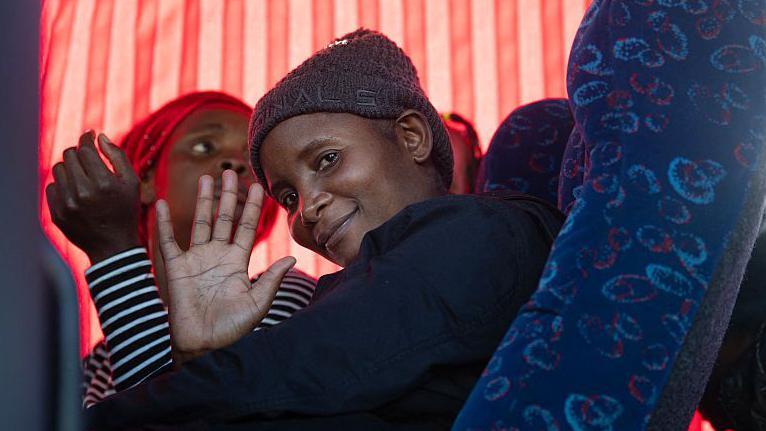
POLICY WIRE — Lilongwe, Malawi — They call it the rainbow nation, a symbol of hope and a haven forged from struggle. But for scores of Malawians lately, South Africa’s vibrant promise has dissolved into something far grittier: forced returns. Their journeys aren’t celebrated homecomings, but stark, unvarnished indicators of an economic dream curdled by animosity and a desperate dash back to a poverty they’d once so desperately fled.
It’s not often that the casual observer considers the quiet indignity of a reversed migration stream, especially when the initial surge was so fueled by necessity. We’ve been witnessing a slow-burn crisis, a simmering resentment erupting into active repatriation efforts. But the real story isn’t just about buses rolling east. No, it’s about a deeply unsettling re-evaluation of pan-Africanism and the economic ties that bind—or break—nations across the continent. This latest wave, though, puts an inconvenient spotlight on South Africa’s ongoing struggle with national identity and its treatment of those who seek its perceived prosperity. It’s a cruel twist, really.
The numbers themselves tell a grim story, if you can bear it. Malawian government sources confirmed that thousands of its citizens have been voluntarily or involuntarily making the arduous journey back home. This mass exodus isn’t an isolated incident; it’s an intensification of a long-standing pattern. And it really forces us to confront some uncomfortable truths about how easily economic hardship can morph into blatant prejudice. Because let’s be frank, that’s what xenophobia often is: a poor nation’s desperation manifesting as hate for an even poorer neighbour.
The backdrop? South Africa, a nation that once held such allure for those escaping dire straits elsewhere on the continent, particularly its northern, often landlocked, kin. People went there looking for work—any work—to send remittances back home. The informal economy often provided their only entree. And these repatriations, they happen against a chorus of voices from South African communities accusing foreign nationals of [QUOTE_PLACEHOLDER] in scarce jobs and resources. You don’t have to look too hard to find this narrative repeating itself across various regions worldwide, whether it’s in Europe, North America, or, for instance, among South Asian migrant workers facing harsh conditions in parts of the Middle East.
For Malawi, a country heavily reliant on agriculture and facing its own set of economic challenges—like a 2023 inflation rate hovering around 20%, according to the National Statistical Office of Malawi—the returnees are a mixed blessing. Sure, family ties might welcome them, but an already strained job market isn’t exactly rolling out the red carpet for them. And for many of these folks, their livelihoods depended entirely on what they could eke out in South Africa. We’re talking about lives utterly upended here, — and they’ve got virtually nothing to fall back on. But then again, they didn’t have much to start with.
Malawi’s Foreign Affairs Ministry reportedly noted [QUOTE_PLACEHOLDER] concerning the repatriation efforts, trying to ensure their citizens’ safety and dignity during the process. South African authorities, for their part, have often dismissed these incidents as criminal rather than xenophobic, a distinction that rarely comforts those targeted. It’s a convenient narrative, isn’t it? One that shifts blame — and neatly sidesteps the deeper, systemic issues of prejudice. It’s easier to label a mob criminal than to admit the festering wound of nationalistic animosity. Because once you say it’s xenophobia, well, you’ve got to deal with it, don’t you?
This situation, folks, isn’t just some local brouhaha. It resonates. You see similar undercurrents of resentment against migrant workers in Gulf states, where Pakistani and Bangladeshi laborers, seeking better wages, often confront their own precarious existences, subject to fluctuating policies and public sentiment. The echoes of such societal pressures are global, highlighting the uncomfortable truth that economic competition, coupled with cultural differences, can too often ignite into open hostility, forcing governments to undertake these difficult repatriations.
What This Means
The ongoing repatriation of Malawians from South Africa carries profound implications, politically — and economically. First, politically, it’s a stark reminder of the fragile state of pan-African solidarity. The rhetoric of a unified continent often collides with the ugly realities of domestic unemployment and resource scarcity, eroding the very principles upon which organizations like the African Union are built. This kind of inter-African friction isn’t new, but its persistent resurgence threatens regional stability and impedes broader economic integration efforts. Other nations watch these developments—not just for the humanitarian fallout, but for the potential diplomatic headaches it creates within trade blocs and political alliances.
Economically, Malawi loses a critical safety valve for its own jobless population, along with the much-needed remittances these workers typically sent home. The sudden return of a large, economically disenfranchised group further strains an already struggling domestic economy. This means more pressure on an already threadbare social safety net — and an increased burden on meager public services. For South Africa, this situation—irrespective of how one labels the motivations behind it—dents its image as an economic gateway and a beacon of human rights post-apartheid. It could deter future investments, complicate international relations, and perhaps more significantly, reinforce the internal societal divisions it so desperately tries to overcome. Ultimately, these are not mere isolated repatriations; they’re economic bellwethers, signaling deeper currents of instability and resentment flowing through the heart of Southern Africa.