


Modi’s Hindustan and Hindutva: Sikh Minorities Under Siege
India might have proclaimed itself a Hindu state after the separation in 1947 because 80% of its population is Hindu, however, due to the persuasion of Gandhi, Nehru, and others, India decided “to...

India might have proclaimed itself a Hindu state after the separation in 1947 because 80% of its population is Hindu, however, due to the persuasion of Gandhi, Nehru, and others, India decided “to seek a greater vision: a contemporary secular State in which all religious communities would have equal rights.” In rebuttal to this Nehruvian secular ambition, the Hindu extremist parties, including the Jan Singh, Shiv Sena, and Bajarang Dal, took Savakar’s notion of Hindutva to purge the Hindu land of minorities—and began creating fake history through the production of movies and dramas, the destruction of mosques and churches, and the persecution of missionaries. These differences have become more noticeable under the current Bharatiya Janata Party (BJP) administration, which is working to turn India into a genuinely “Hindu” state.
Prime Minister Narendra Modi secured the backing of extremist groups during his election campaign by endorsing their ideologies and promising to turn India into a Hindu Empire in which all non-Hindus would either have to be converted to Hinduism or expelled from the country or murdered. He seems to have adopted extreme measures which hurt minorities such as Muslims, Christians and Sikhs pave way for his election victory.
The Congress Party, which otherwise claims to have a more secular attitude, was in charge of the 1984 Hindu-Sikh massacres, which resulted in the murder of hundreds of Sikhs. The Babri Mosque was destroyed by the BJP’s militant Rashtriya Swayamsevak Sangh (RSS) in 1992, sectarian clashes, which caused the deaths of hundreds of Indian Muslims. Another dark chapter in India’s long tradition of religious and communal violence which has kept the country in a constant situation of political and social unrest is the 2002 killing of Muslims in Gujrat, which was sanctioned by the country’s then-chief minister, Narendra Modi.
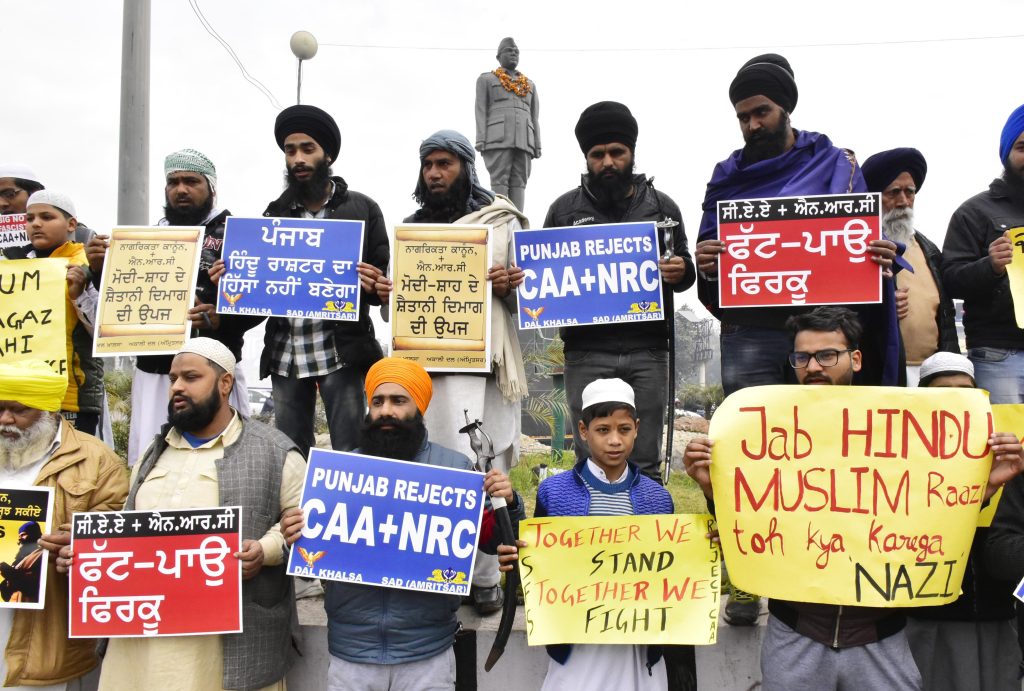
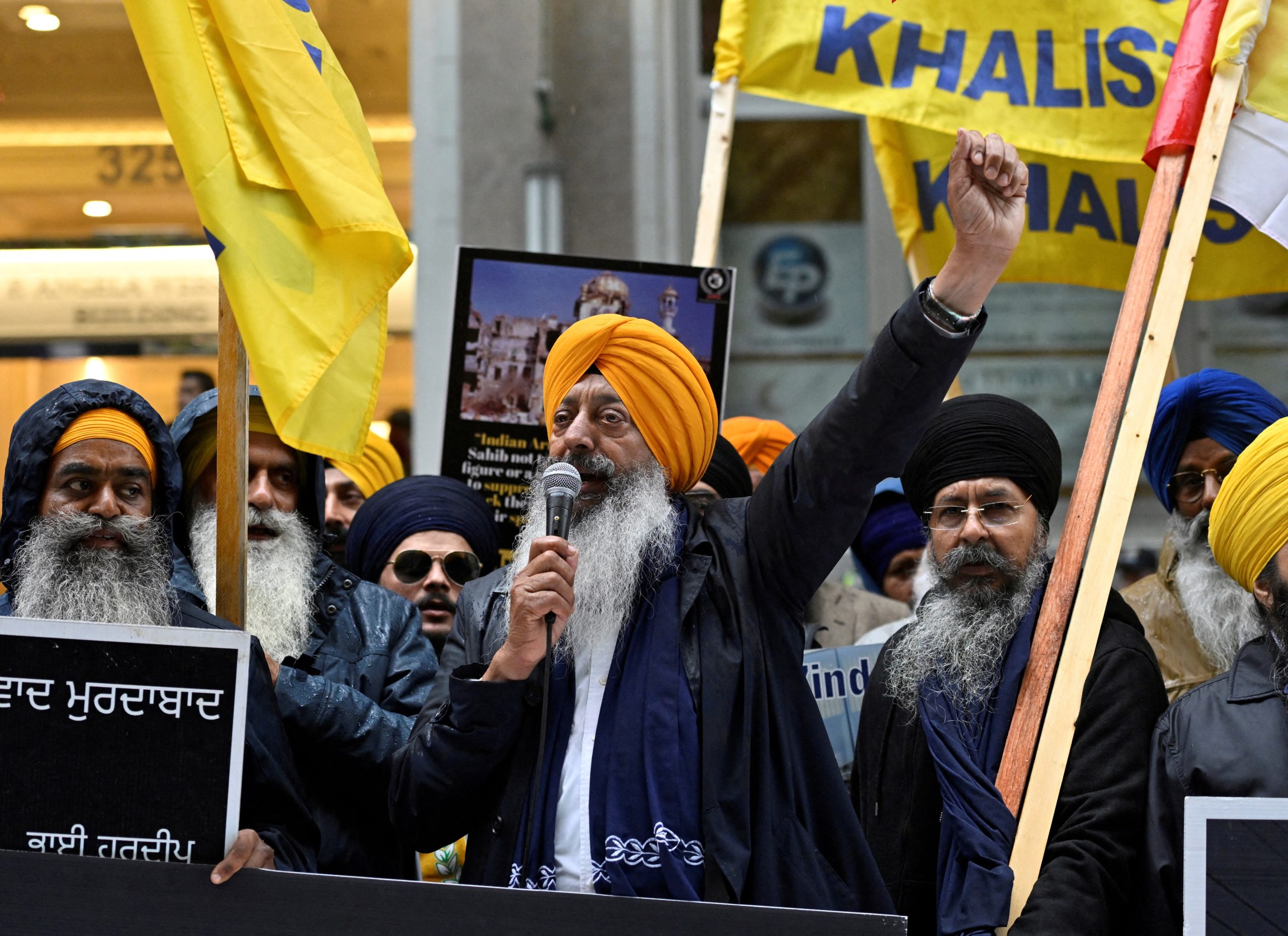
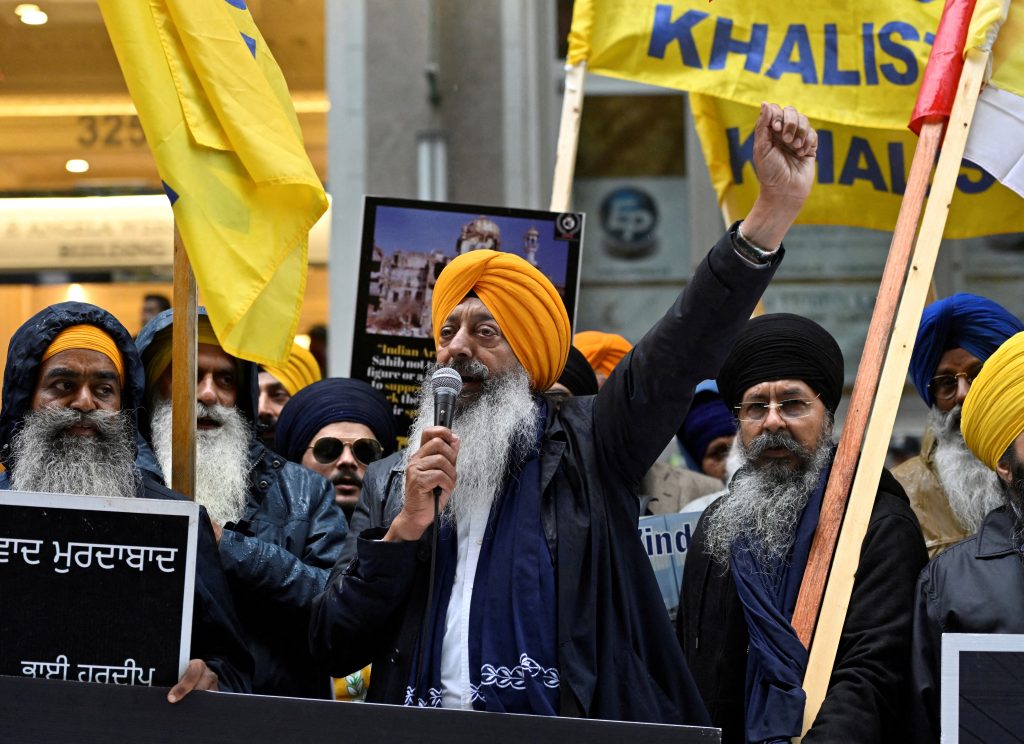
Sikhs community which makes up about 2% of the country’s total population are mostly concentrated in Punjab. Such have always been victimized by Indian Government. Sikhs began the “Khalistan Movement” in the 1940s since Punjab had the majority of the population (58%) but it gained popularity in the 1980s when Indira Gandhi’s Government executed “Operation Blue Star” at the Golden Temple in Amritsar. 251 Sikhs were slaughtered, and when Sikhs across the nation learned of this occurrence, they all headed toward Punjab. The Indian troops prevented them from getting there, resulting in a bloodbath that resulted in thousands of deaths of Sikhs. This anger at Sikhs sparked an uprising that resulted in Indira Gandhi’s assassination in October 1984. The Khalistan Movement also started quickly in result of violence against Sikh community.
The most recent manifestation of BJP Government’s intolerance towards ethno-religious minorities, which also reflects their Hindutva mindset, is when the Pakistani Government came forward with proof of busting an alleged RAW Network, on 25 January, 2024, which was involved in carrying out paid murders of religious personalities, Afghans and Kashmiris living in Pakistan. The Pakistani Government has alleged and produced what it considers “credible evidence” connecting Indian participation in the assassinations. Such activities constitute a persistent breach of international law, particularly the Universal Declaration of Human Rights (UDHR) and the International Covenant on Civil and Political Rights. Pakistan’s Foreign Secretary stated that the Indian network of extrajudicial and extraterritorial killings has become a worldwide phenomenon, as evidenced by Indian operatives’ involvement in similar activities in Canada and the United States. He emphasized the importance of prosecuting the murderers, facilitators, and financiers involved in these assassinations. Indian operatives must face prosecution for their extrajudicial and extraterritorial killings in other nations. Indians have inherited hatred for Kashmiris because of having a Muslim majority in the valley. Since the separation of sub-continent, Kashmiris have been the victim of Indian discrimination and injustice.
📄 POLICY WIRE WHITEPAPER PUBLISHED: PAKISTAN'S NATIONAL SECURITY POLICY PRIORITIES
👉 READ BY CLICKING HEREIn conclusion, India which portrays itself as a secular state, in reality, is a fascist state. Minorities in India are not safe. The identity crisis India is facing today can lead to the end of India as predicted by Khushwant Singh in 2003. These recent events serve as poignant reminders of the complex challenges faced by minorities in India, particularly the Sikh community. The ongoing narrative of discrimination, threats, and violence against minorities underscores the urgency for international attention and intervention to address human rights violations and foster a more inclusive and tolerant society in India. By considering the Hindutva ideology, the Sikh community should be granted a separate independent land because, like other minorities, Sikh lives are in extreme danger in India under the fascist Modi Government.
Source: https://globalcourant.com/modis-hindustan-and-hindutva-sikh-minorities-under-siege/
Author