


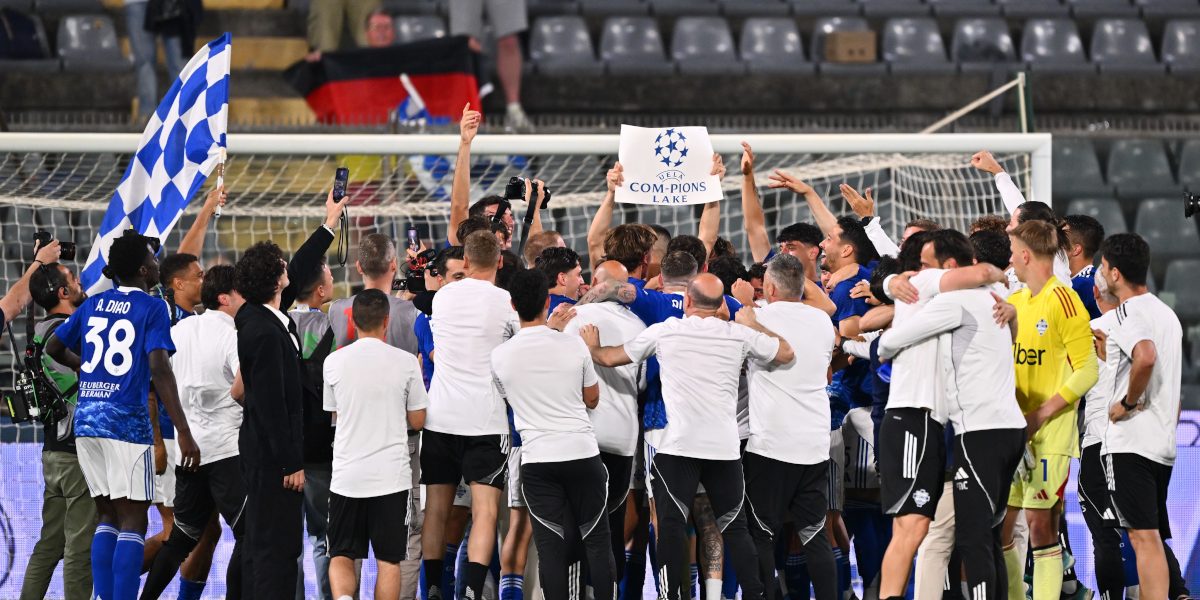
Lake Como’s Golden Ticket: Fabregas Propels Upstart Into Europe’s Elite, Defying Economic Odds
POLICY WIRE — Lake Como, Italy — There’s a certain grim poetry to seeing football’s oldest clichés — ‘underdog story,’ ‘team spirit’ — collide head-on with cold, calculating...

POLICY WIRE — Lake Como, Italy — There’s a certain grim poetry to seeing football’s oldest clichés — ‘underdog story,’ ‘team spirit’ — collide head-on with cold, calculating investment. Nobody really cares for poetry when there’s a billion-dollar prize on the line, though, do they? But that’s the deal with Como 1907. Two seasons ago, they were grinding it out in Serie B. Today? They’re bound for the Champions League, Europe’s gilded cash-cow, and not a single soul outside their fervent, if surprised, fan base saw it coming. Not really.
It wasn’t a fluke; it was a meticulous, brutal climb. And while everyone’s still buzzing about former Arsenal and Barcelona maestro Cesc Fabregas’s impassioned locker-room address – “You will be remembered forever!” he told his players – the real story unfolds further afield. Far beyond the sparkling waters of Lake Como, actually. It stretches to Jakarta, Indonesia, home of the Hartono family’s Djarum Group, the tobacco and banking behemoth that owns the club. It’s a reminder that modern football, for all its romantic narratives, is a canvas for global capital.
Fabregas, transitioning from a brief playing stint to head coach, became the unlikely face of this calculated insurgency. He walked into that locker room after their nail-biting, qualification-clinching 4-1 victory over Cremonese — news had just filtered through that AC Milan had, helpfully, fumbled at home. A bit of luck, maybe, but earned, absolutely. “I don’t know why, but I felt it,” Fabregas apparently told his squad, reflecting on a prior premonition. “And now look, you did it. You’re etched into this club’s history – probably the greatest team I’ll ever get to coach. No question about it.”
Because that’s the thing, isn’t it? The sentiment’s real for him. For the players. For the supporters. But for the bean-counters back in Southeast Asia, it’s about a return on a serious gamble. It’s about leveraging a dusty Serie B outfit into a legitimate brand, about exposure, and frankly, about proving that a methodical, foreign ownership model can disrupt Italy’s old guard.
Como’s trajectory this season wasn’t just heartwarming, it was dominant for an upstart. They clinched their top-four Serie A spot with an impressive 20 victories, 11 draws, and just seven defeats. They racked up 65 goals while only conceding 29 – a defensive record that speaks volumes about tactical discipline. Only the champions, Inter Milan, scored more with 89. That’s efficiency, whether you’re building a team or a portfolio.
The Djarum Group’s vision, led by Robert and Michael Hartono, isn’t unique in global sports — we’ve seen similar movements across European football and other high-profile leagues, often with mixed results. But this time, it paid off. And how. Foreign ownership is a double-edged sword, obviously. But here, the investment seems to have been both shrewd and patient, avoiding the pitfalls of instant gratification that plague many similar projects. An executive close to the Como board, speaking on condition of anonymity, put it bluntly: “This isn’t just about football; it’s about showcasing what disciplined investment from outside traditional markets can achieve, even in a league as competitive as Serie A. The Hartono family’s long-term vision is beginning to bear fruit, proving that strategic foreign capital can transform regional assets.”
📄 POLICY WIRE WHITEPAPER PUBLISHED: PAKISTAN'S NATIONAL SECURITY POLICY PRIORITIES
👉 READ BY CLICKING HEREWhat This Means
This Cinderella story, as tempting as it’s to label it, carries weighty implications that reach far beyond the touchline. Economically, Como’s Champions League berth is a massive boon. The revenues, brand exposure, — and influx of tourist dollars to the already-posh Lake Como area will be substantial. For a region grappling with its economic future, this footballing success is a shot in the arm. It confirms that the financialized global game increasingly relies on wealthy, often non-traditional, benefactors who see clubs as assets to be nurtured and grown.
Politically — and culturally, this success amplifies Indonesian soft power on a European stage. As the most populous Muslim-majority nation, Indonesia’s foray into European elite football through Como underscores a broader trend: nations and business empires from the developing world – from Pakistan’s burgeoning tech sector to Saudi Arabia’s Public Investment Fund – are investing heavily in global sports as a vehicle for influence and prestige. It’s a subtle but undeniable assertion of global presence, far removed from geopolitics, but certainly not without its own diplomatic undertones. It’s a good look for a country eager to assert its economic might — and cultural cachet on a global scale. We’re not talking about outright sports-washing here, but rather a more nuanced integration into Europe’s dominant cultural export.
Fabregas, a player who made his name in the highest echelons of European football, now finds himself at the helm of an unexpected juggernaut. It’s a peculiar confluence of old-school passion — and new-school money, and it works. But don’t confuse the romantic narrative with the economic reality. This isn’t just a feel-good story; it’s a blueprint for what a focused, well-funded business entity can achieve in the world of professional sport. And because of that, expect more foreign capital to eye distressed or undervalued European clubs with renewed, calculated interest.
It’s the game, alright. But it’s also serious business. Very serious. And Como, for all its historic charm, just won the lottery ticket for the global financial machine.