

The Brutal Dance: Tradition, Contagion, and Mob Rule in Ebola-Stricken Congo
POLICY WIRE — Goma, Democratic Republic of Congo — There’s a particular kind of awful logic that descends when generations of tradition collide head-on with an invisible killer. It’s not the...

POLICY WIRE — Goma, Democratic Republic of Congo — There’s a particular kind of awful logic that descends when generations of tradition collide head-on with an invisible killer. It’s not the virus itself that often first breaks things down, it’s the human reaction to what the virus demands. Take Congo, where grief isn’t just an emotion; it’s a social contract, and the dead, well, they must be honored by the living, come hell or high water—or, as it turned out recently, come Ebola.
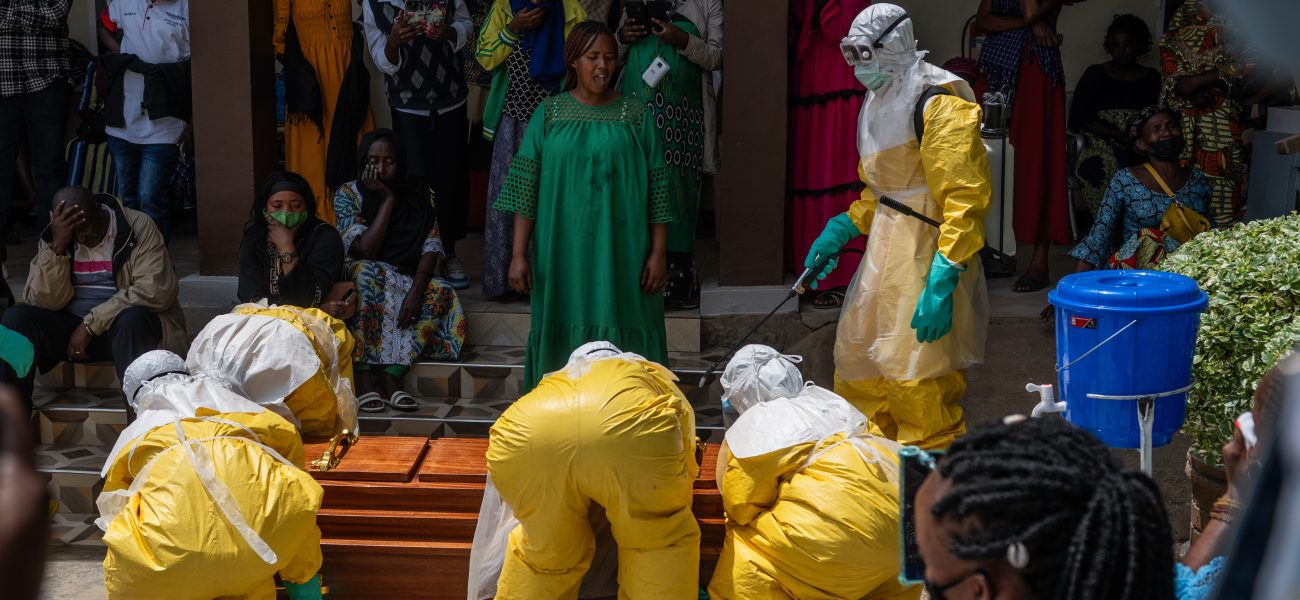
It wasn’t a sudden, unprovoked assault. Not really. What happened when young men—enraged, desperate—stormed an Ebola treatment center outside Beni, demanding the bodies of their deceased relatives, wasn’t an act of madness. It was, rather, a gut-wrenching expression of defiance. They weren’t asking politely for remains sealed for biosafety; they were seizing what they felt was rightfully theirs, overriding medical protocols with raw, visceral agony.
Because, for them, proper burial isn’t just about closure; it’s about spiritual protection, about honoring ancestry. It’s a fundamental part of the cultural fabric. The global health community, with its white hazmat suits and strict contamination guidelines, sees only vectors of disease. But local communities? They see beloved family members snatched away, then sealed in plastic, denied their last rites. It’s an insult. A desecration, even. And that’s a dangerous chasm to bridge.
“This isn’t merely a health crisis; it’s a battle for understanding, for trust that we frankly haven’t fully won,” commented Dr. Etienne Chikulu, a spokesperson for the DRC’s Ministry of Health, in a recent teleconference. “We’re fighting a virus, yes, but also centuries of deeply held belief systems.” He’s not wrong. His weariness, you could almost hear it through the satellite connection, wasn’t just about the caseload; it was about the impossible politics of grief.
This episode, chillingly, reflects a pattern. It’s not exclusive to Congo. We’ve seen similar patterns in South Asia, where traditional Islamic burial rites—which often include washing and close contact with the deceased—have run up against public health diktats during disease outbreaks. The challenges of convincing communities to forgo traditional ceremonies for the sake of public health resonate from Karachi to Kinshasa. These aren’t just medical problems; they’re profound societal ones. Africa’s continued struggle with Ebola is a potent reminder of this friction, and the fragility of global health efforts when trust breaks down.
The numbers don’t lie. World Health Organization (WHO) data indicates that upwards of 20% of Ebola infections in this particular outbreak have been linked to traditional burial practices, a stark illustration of the consequences of circumventing biosafety protocols. These aren’t outliers; they’re the harsh reality of community resistance.
📄 POLICY WIRE WHITEPAPER PUBLISHED: PAKISTAN'S NATIONAL SECURITY POLICY PRIORITIES
👉 READ BY CLICKING HEREAnd when those bodies—potentially still highly infectious—are taken from sterile environments, when families then wash and mourn over them as custom demands, the contagion gets another leash. It slips its bonds, rejoining the cycle, mocking every intervention.
But can you blame them? Really? Imagine a loved one dies from an unknown ailment, and then a government or an international organization dictates how you may grieve, how you must handle—or not handle—their remains. That’s a bitter pill to swallow, particularly when there’s already a deep-seated suspicion of authorities. Because, let’s be frank, trust in government and foreign aid groups in regions like Eastern Congo is often paper-thin, if it exists at all.
“When communities feel unheard, when their rituals are disregarded, public health initiatives almost always falter, whether it’s managing dengue in Lahore or containing a deadly virus in Ituri,” remarked Dr. Amir Hassan, a veteran Pakistani epidemiologist now advising the WHO on regional health crises. “We learned this much during previous polio vaccination campaigns. Engagement isn’t just an add-on; it’s the main act.” His words hang heavy, a quiet indictment of approaches that too often sideline local sensibilities.
What This Means
The Beni incident is more than a momentary disruption; it’s a stark metaphor for the global health community’s Sisyphean task. Politically, it signals a deeper erosion of public trust, potentially empowering local factions or anti-establishment narratives that thrive on community grievances. Economically, prolonged outbreaks mean continued restrictions on movement and trade, stymieing nascent recovery efforts in an already fractured region. Think about supply chains, the ability for small farmers to get goods to market—everything gets messed up. It’s a domino effect, extending well beyond medical tents. The world’s health infrastructure can inject billions, but without social consent, without bridging these cultural chasms, it’s all just sand running through fingers. The political leaders in Kinshasa face a tough spot: enforcing rules perceived as culturally invasive risks further alienating their own populace, while failing to enforce them ensures the virus continues its silent, brutal expansion. The calculus is messy; the outcomes, tragically, are anything but.