


Midwest Octagon: Sioux Falls Becomes a Microcosm of Global Sporting Ambition and Economic Ascent
POLICY WIRE — Sioux Falls, South Dakota — Long after the cacophony of striking fists and roaring crowds subsided, something far more consequential than a mere athletic contest lingered in Sioux...

POLICY WIRE — Sioux Falls, South Dakota — Long after the cacophony of striking fists and roaring crowds subsided, something far more consequential than a mere athletic contest lingered in Sioux Falls. The Professional Fighters League (PFL) event, hosted by this unassuming Midwestern hub, wasn’t just about who landed the more devastating blow; it was, at its core, an ephemeral economic theatre, a brief but potent intersection of global ambition and local opportunity. Here, the raw, brutal ballet of combat sports quietly reflected grander narratives of national pride, individual ascent, and the subtle, relentless churn of the international talent market. These aren’t just fights; they’re economic transactions, televised parables of striving in an increasingly interconnected world.
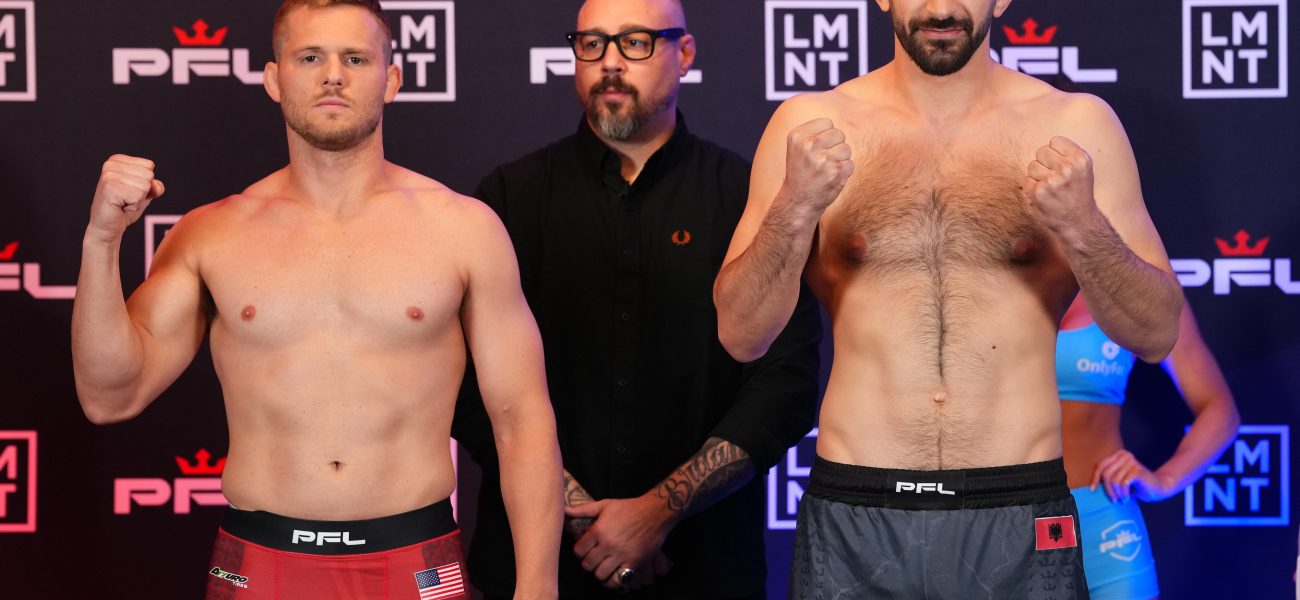
The main event, a keenly anticipated clash between local favorite Logan Storley and Albanian dynamo Florim Zendeli, epitomized this confluence. Storley, a South Dakota native, carried the weight of hometown expectations—a familiar narrative, certainly. But Zendeli represented another strand entirely: the formidable, often overlooked, talent emerging from smaller European nations, seeking a global platform and the financial emancipation it promises. His undefeated PFL run leading into this bout wasn’t merely a statistic; it was a testament to the league’s global scouting apparatus, a system designed to unearth competitive grit from every conceivable corner of the planet. And, frankly, Storley’s emphatic victory, a decisive win that reaffirmed his stature (after a 2025 tournament final loss, one might recall), didn’t just thrill the home crowd; it secured his place in a highly lucrative, cutthroat ecosystem.
Behind the headlines of knockouts and submissions lies a burgeoning industry, attracting athletes from disparate socio-economic landscapes. Consider the presence of Gadzhi Rabadanov, the Dagestani lightweight, fighting to rebound from a rare loss. His very participation speaks volumes. The Caucasus region, a cradle of prodigious wrestling talent, has become a veritable incubator for mixed martial arts stars, exporting a unique brand of ferocity and skill. For many, particularly young men from these often economically challenged locales, MMA isn’t just a sport; it’s a tangible pathway to global recognition and material prosperity. This phenomenon mirrors, in a less visible but equally impactful way, the global pursuit of opportunity seen in sports from football to cricket, and it’s resonating deeply across the broader Muslim world, where combat sports offer a respected and increasingly commercialized avenue for national pride and personal advancement. Still, the journey is fraught with peril, one misstep in the cage often translating to significant career setbacks.
“These events aren’t just entertainment; they’re an economic engine for communities like ours,” remarked Mayor Paul TenHaken of Sioux Falls, his voice a steady barometer of civic pride. “We’re seeing a direct injection of tourist dollars, sure, but it’s also about putting Sioux Falls on a national—even international—stage. It’s about showcasing our capacity to host major events, attracting further investment and demonstrating that our infrastructure can support global spectacles.” (And frankly, the visibility alone is priceless.) Such sentiments underscore a growing trend: mid-sized cities leveraging niche sports for broader economic development, much like how diamond diplomacy plays out in other athletic arenas.
The PFL’s shrewd tournament structure, culminating in a lucrative championship prize, acts as a powerful magnet. It’s a meritocracy, if a brutal one, that draws talent globally. The global MMA market, valued at a robust USD 6.9 billion in 2023, is projected to expand at a compound annual growth rate (CAGR) of 10.3% from 2024 to 2030, according to a recent report by Grand View Research. This isn’t just growth; it’s an explosion of capital and opportunity, transforming what was once a fringe sport into a major player on the global athletic stage. Fighters, managers, and promoters are all vying for a slice of this increasingly valuable pie, where every bout can swing fortunes dramatically. It’s a global spectacle, not unlike how Formula 1’s shifting sands reflect deeper geopolitical plays.
“What we’re witnessing is the globalization of combat sport, fueled by digital media and the universal narrative of individual struggle and triumph,” shot back Dr. Imran Khan, a cultural sociologist specializing in South Asian diaspora and sports, speaking from his office in Islamabad. “For athletes from regions with less access to traditional sports infrastructure, MMA offers a remarkably direct route to professionalization and financial security. It’s a powerful narrative of self-determination, resonating deeply in societies where economic mobility is often constrained. We’ve seen a significant surge in interest and participation in countries like Pakistan and Afghanistan, where the discipline and mental fortitude required for martial arts align with deeply held cultural values.” He highlighted how the global appeal of figures like Khabib Nurmagomedov has inspired an entire generation from the region, creating a new form of cultural export.
📄 POLICY WIRE WHITEPAPER PUBLISHED: PAKISTAN'S NATIONAL SECURITY POLICY PRIORITIES
👉 READ BY CLICKING HEREAnd so, beyond Storley’s homecoming glory, the PFL Sioux Falls card unfolded as a series of miniature dramas, each with its own economic undercurrent. Magomed Magomedov’s split decision over Leandro Higo, Rasul Magomedov’s unanimous decision victory, the TKO finishes by Sang Won Kim and Taila Santos—these weren’t just notches in a win-loss column. They were steps on a career ladder, each victory bolstering a fighter’s market value, each defeat a potential dent in future earnings. The catchweight contest between Gadzhi Rabadanov and Alex Chizov, another PFL Europe victor, wasn’t merely a rebound attempt; it was a desperate bid to maintain relevance in an unforgiving sport, a reminder that even the most accomplished athletes exist on the precipice. (It’s never just a game, is it?)
What This Means
The PFL event in Sioux Falls, ostensibly a regional sports spectacle, served as a compelling tableau for several broader geopolitical and economic trends. Firstly, it underscored the continued decentralization of global sporting capital. Major events are no longer exclusive to metropolises; mid-sized cities can become temporary global nodes, attracting international talent and capital, thereby stimulating local economies through tourism and brand recognition. This phenomenon has policy implications for urban development, regional marketing, and investment in infrastructure capable of hosting such gatherings. Secondly, the PFL’s diverse roster highlighted the powerful role of combat sports as an engine for socio-economic mobility, particularly for athletes from emerging economies and regions with robust martial traditions, like the Caucasus and parts of the Muslim world. Governments and private entities in these areas might increasingly view investment in combat sports infrastructure as a form of soft power projection and a legitimate pathway for youth development, diverting potential talent from less constructive avenues. Thirdly, the financial stakes involved—from individual fight purses to potential championship bonuses—reflect the gig economy’s influence on professional sports, where athletes are essentially independent contractors navigating a highly competitive, global marketplace. This model presents challenges and opportunities for athlete welfare, labor rights, and the equitable distribution of an expanding revenue pool.
Ultimately, these contests aren’t just spectacles of athleticism; they’re intricate dance-offs of economic ambition, geopolitical subtle nods, and individual sagas. From the familiar faces to the emerging international contenders, every punch thrown and every submission secured reverberates with implications far beyond the canvas, telling a story about globalized opportunity and the enduring human drive to ascend, often against formidable odds.