

Hoosier Dust and Diplomacy: Small-Town Softball Ignites Fierce Regional Passions
POLICY WIRE — Indianapolis, USA — Forget for a moment the grand geopolitical squabbles, the machinations of global finance, or the incessant drone of legislative debate. For the small, tightly-knit...

POLICY WIRE — Indianapolis, USA — Forget for a moment the grand geopolitical squabbles, the machinations of global finance, or the incessant drone of legislative debate. For the small, tightly-knit communities dotting East Central Indiana, a more primal drama is unfolding on dusty diamonds, under the fading light of a late spring sun. This isn’t just about softballs or bases; it’s about town identity, bragging rights, and the kind of fierce, unwavering loyalty that could make international diplomats blush. Because sometimes, the purest form of human contest isn’t found in a parliamentary chamber or a corporate boardroom. It’s right there, at Class 1A Sectional 56 in Monroe Central, or Class 3A’s crucible at Connersville, where dreams and disappointments play out with brutal honesty. They’ve got stakes, these games, that often go unspoken but are deeply felt.
The IHSAA (that’s the Indiana High School Athletic Association, for the uninitiated) has unfurled its brackets, launching the annual pilgrimage into postseason softball. And folks, it’s a marathon, not a sprint. The action kicks off with some games even slated for Memorial Day, a somber backdrop to the cheers — and jeers. These sectionals will eat up the week, running through May 30, with regionals then taking the stage on June 2. Semistates on June 6, and then, the grand finale — state championships at Purdue’s Bittinger Stadium on June 12-13. A whole month of concentrated pressure. It’s relentless. A real test of nerve — and muscle, wouldn’t you say?
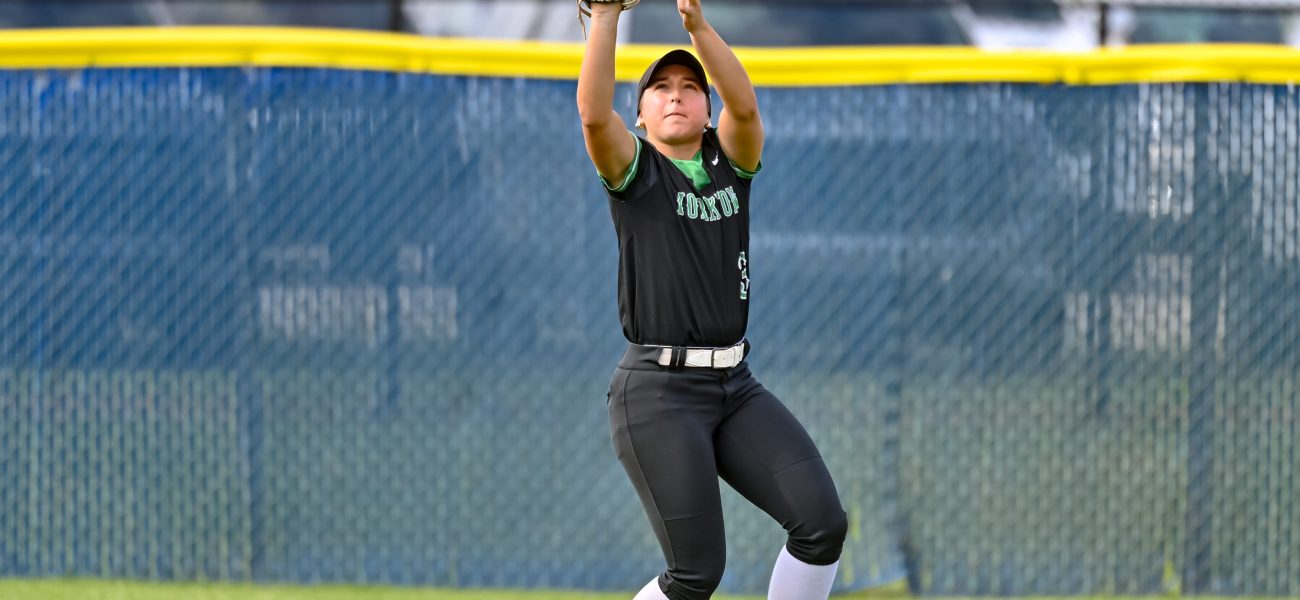
Consider Yorktown, for example. Last season, they were the only East Central Indiana squad to snatch a sectional title, their fourth straight. They marched in like champions, but then, well, they ran into Western in a Class 3A regional match-up and their impressive streak, much like a carefully crafted diplomatic agreement, unraveled. This year, though? They’re back. Ranked No. 1 in Class 3A by the Softball Coaches Association of Indiana coaches poll, they’re not just a team; they’re a juggernaut. It’s enough to make a rival coach sleep with one eye open. But you know how these things go; rankings are a target. They put a bulls-eye squarely on your back. It’s the kind of pressure that would send some world leaders scrambling for an exit.
“These tournaments, they aren’t just about sports for us,” quipped State Senator Marcus Thorne, his voice carrying the distinct, measured cadence of a politician who understands local pulse. “They’re a referendum on community spirit. Who rises? Who falters? It’s a huge part of our towns’ identities, and you’d be hard-pressed to find a local who isn’t invested, heart and soul, in their team’s success. The economic ripple? Small businesses thrive with folks traveling in, filling gas tanks, buying dinner. It’s a grassroots engine, this, powering more than just school pride.” He’s not wrong, of course. For many of these towns, these games are the biggest show in town, sometimes the only show.
Superintendent Clara Bellweather, overseeing one of the more intensely competitive districts, weighed in with a sigh you could hear through the phone. “You think managing a school budget is tough? Try calming down the booster club president after a blown call in a sectional championship game. It’s passion, yes, but it’s raw, it’s untamed. We preach sportsmanship, certainly, but you also have to acknowledge that deep-seated desire to see your town triumph. It’s an emotional pressure cooker. And don’t think it doesn’t affect morale across the entire district.” She hung up then, probably to diffuse another crisis or sign off on an emergency scoreboard repair.
It’s this kind of fierce, almost tribal allegiance that finds echoes in far-flung corners of the world. Just as communities here galvanize around their local school teams, nations like Pakistan erupt in collective ecstasy—or despair—over a cricket match. The stakes might seem vastly different, but the intensity, the way collective identity fuses with sporting outcomes, remains eerily similar. From the buzzing stadiums of Lahore, where 95% of the population are self-declared cricket fans (according to a 2018 Gallup Pakistan survey on sports viewership), to the bleachers of Pendleton Heights, where every fly ball is a communal breath held—it’s all the same raw human drama, distilled. It’s about representing something bigger than oneself. But mostly, it’s about winning, plain — and simple. Just like in any realpolitik negotiation.
📄 POLICY WIRE WHITEPAPER PUBLISHED: PAKISTAN'S NATIONAL SECURITY POLICY PRIORITIES
👉 READ BY CLICKING HEREThe brackets, a cold, hard document of fate, lay out the path. In Class 4A, Sectional 9 at Pendleton Heights kicks off with Pendleton Heights vs. Greenfield-Central on Tuesday, May 26. Then Muncie Central steps up later, aiming for a deep run. In Class 3A, it’s Jay County vs. Delta, New Castle vs. Hamilton Heights before the top-ranked Yorktown enters the fray. The enduring grind, indeed. Even Class 1A’s Sectional 57 at Liberty Christian gets its turn, pitting the Indiana School for the Deaf against Daleville. Every game, every out, a miniature policy debate playing out in real-time, under real scrutiny. No margin for error.
What This Means
This isn’t just sports page filler. For these communities, these games are vital socioeconomic barometers. The success of a high school sports team can translate into tangible economic benefits, driving local spending as families and fans travel for games, fill up at gas stations, and grab meals at local diners. It cultivates local pride, strengthening social cohesion in towns that often feel overlooked by metropolitan centers. Politically, a successful sports program can be a unifier, offering local politicians a safe, popular topic to champion, sidestepping more divisive issues. The palpable civic engagement generated by these tournaments far exceeds their superficial athletic outcomes. They don’t just entertain; they define. And they remind us that passion, in its purest form, often sprouts from the ground up, demanding our attention, shaping our local narratives, and quietly — but powerfully — influencing the socio-political landscape of small-town America.