

Desert Gold Rush: New Mexico’s Power Grid Eyed by Wall Street as Rates Loom
POLICY WIRE — Albuquerque, N.M. — It’s a dusty corner of the world, New Mexico, where the wind bites and the sun bakes. People here—they’ve got enough on their plate. Inflation pinches, wages often...

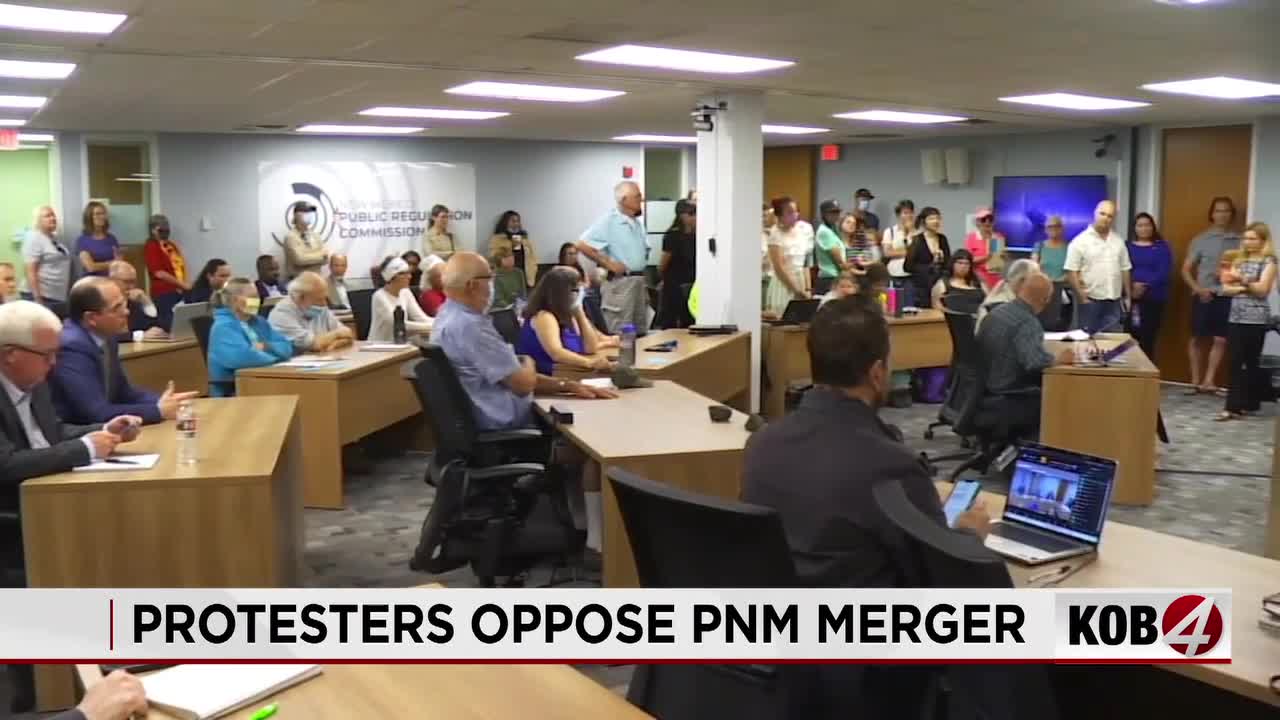
POLICY WIRE — Albuquerque, N.M. — It’s a dusty corner of the world, New Mexico, where the wind bites and the sun bakes. People here—they’ve got enough on their plate. Inflation pinches, wages often don’t stretch far enough, — and the water table drops a little lower each year. So when whispers turn to shouts about who might run their lights, their air conditioning, their basic existence—well, folks sit up and take notice. And they didn’t like what they heard, not one bit, from the state’s Public Regulation Commission meeting, where a phantom merger kept everyone agitated, though it wasn’t even officially on the docket.
Because Wall Street, specifically the leviathan known as Blackstone Group, wants a bigger piece of this state’s infrastructure pie. Its proposed takeover of Public Service Company of New Mexico (PNM), the region’s largest utility, has galvanized a peculiar coalition of local advocates. They aren’t just worried; they’re livid, seeing in this potential deal the ominous shadow of distant corporate balance sheets outweighing local welfare. For many, it’s not some abstract financial maneuvering. It’s personal. It’s about the bills that land on the kitchen table every month, bills that already challenge struggling families.
Billy O Nair, one of those vocal community members, minced no words, leaning into a mic at the PRC gathering. His voice, edged with a weary cynicism common to those who’ve watched these dramas unfold before, cut through the official quiet. “Oh, so wherever we go, we don’t believe in sharing, we only buy shares. But we do believe in bribery — and gift giving, so we gave each commissioner a Blackstone. They can put it on their desk. They can engrave their name on it, just so that they remember who could be lining their pockets.” That’s a stinging jab, isn’t it? A kind of gallows humor that only desperate folks—or really ticked-off ones—can conjure. He didn’t actually hand out physical blackstones, of course; the metaphor hung heavy in the air.
This isn’t an isolated incident. There’s a persistent hum about how private equity—those firms that trade in buyouts, efficiency drives, and often, debt restructuring—comes calling. Across the nation, from beleaguered Rust Belt towns to sunny coastal communities, there’s a pattern: private equity swoops in, promises efficiency, perhaps even a few short-term gains, but then—prices climb. And oversight, well, it gets complicated.
But PNM — and Blackstone aren’t sitting idly by. They’re making their case, pointing to an impressive $175 million in proposed customer and community benefits, which reportedly includes rate credits and some assistance for low-income residents. And they argue, rather cleanly, that the Public Regulation Commission, not the utility or its new owner, is the ultimate arbiter of rates through what they call a ‘transparent review process.’ “We believe this partnership offers the investment and forward-looking strategies necessary to modernize New Mexico’s energy infrastructure without burdening ratepayers,” stated Maria Elena Sandoval, a spokesperson for the prospective merged entity, in a prepared statement. “It’s about future-proofing our grid for the next generation, ensuring reliability and accelerating our transition to cleaner energy.” (Of course, cleaner energy always comes with a price tag, doesn’t it?)
Yet, the anxiety pulses. Sarah Deradke, another impassioned advocate, framed it starkly: “This isn’t just about my electric bill. This is about what happens when public services become profit centers for outside corporations. They’re not looking out for us in New Mexico, they’re looking at balance sheets.” She’s got a point. You see this kind of drama play out all over the globe, even in places like Karachi, Pakistan, where K-Electric’s privatization has been a contentious saga, with consumers often alleging service disruptions and unfair charges even amidst promises of improvement and investment. It’s a tale as old as capitalism itself, this push-pull between public good — and private gain.
Vance Sterling piled on, his voice weary but resolute: “Every time Blackstone has done this, all over the country, ratepayers pay more. And we can’t afford it.” This fear isn’t baseless. Research from the Economic Policy Institute found that private equity buyouts of companies, particularly in certain sectors, correlate with increased layoffs and wage stagnation, while debt loads often skyrocket. a recent study by the Citizens Utility Board noted that utility rate increases averaged 40% higher in states where private equity firms had acquired electric companies, compared to non-privatized utilities, between 2010 and 2020. That’s a sobering statistic. And it’s the sort of cold, hard data that can send a shiver down a New Mexican’s spine.
What This Means
The potential Blackstone-PNM merger isn’t just another dry business transaction; it’s a bellwether for how state governments, particularly utility commissions, will navigate the ever-growing appetite of private capital for public services. For New Mexico, the stakes are undeniably high. A corporate giant like Blackstone, managing approximately $1 trillion in assets as of late 2023, isn’t known for small plays. They operate on a different scale, with a different metric for ‘return on investment’ than most public bodies do. State Senator Ricardo Montoya, a longtime critic of unfettered corporate expansion into public goods, offered a blunt assessment: “We must ensure the lights stay on and prices remain fair, not just that Wall Street’s spreadsheets look good. My concern is, once you privatize, real accountability often becomes a ghost.”
If this deal goes through, it won’t be just New Mexico watching. It’ll send a clear message to other private equity firms eyeing public utilities—that there’s open season on the essential services people rely on. But if the Public Regulation Commission manages to push back, or at least extract truly robust, enforceable consumer protections, it could offer a blueprint for states grappling with similar proposals. Either way, New Mexico’s grid isn’t just about kilowatts anymore; it’s a test of wills, a quiet battle for who really controls the power.
This struggle also highlights the broader challenges in energy regulation. Regulators face immense pressure from well-funded corporate interests, often juxtaposed against under-resourced public advocates. The outcome here could influence how states—and even nations with privatized utilities—deal with concerns about cost, infrastructure resilience, and community oversight. But the public backlash also serves as a potent reminder for these corporations: a deal might look good on paper, but if you alienate the very people whose daily lives you impact, you’re buying a whole heap of trouble alongside those assets. And nobody wants that kind of trouble, not really.