

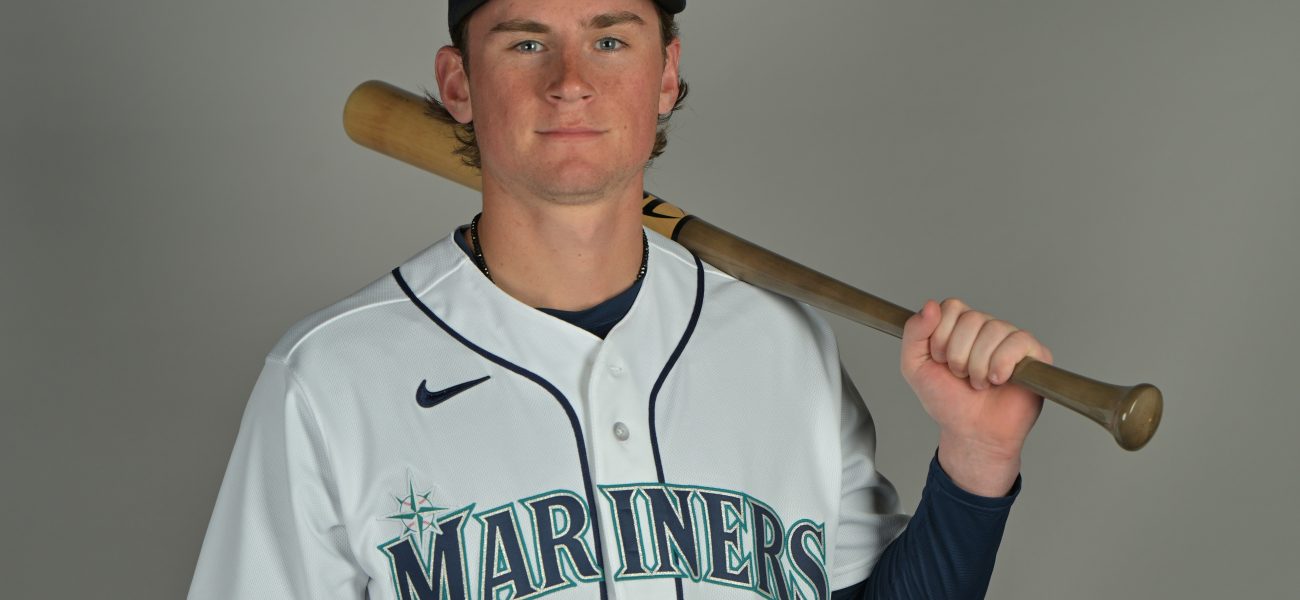
Mariners’ Roster Shock: Why Promising Prospect Colt Emerson Remains in Minors Over Will Wilson
POLICY WIRE — Seattle, USA — The Seattle Mariners‘ recent roster adjustment, which saw infielder Will Wilson brought up from Tacoma to fill an unexpected vacancy, has sparked considerable...

POLICY WIRE — Seattle, USA — The Seattle Mariners‘ recent roster adjustment, which saw infielder Will Wilson brought up from Tacoma to fill an unexpected vacancy, has sparked considerable debate among baseball observers regarding the continued absence of highly-touted prospect Colt Emerson from the major league squad.
This organizational move became necessary after infielder Brendan Donovan was placed on the 10-day injured list due to a groin strain. In the interim, Leo Rivas is anticipated to assume third base duties until Donovan is ready to return to active play.
Evaluating the Roster Decision
A central question circulating among fans and analysts is why Will Wilson, whose previous major league experience includes only 91 plate appearances with a batting line of .192/.267/.244, was chosen over the highly promising Colt Emerson. Critics often highlight Wilson’s struggles at the plate, contrasting them with Emerson’s considerable potential as a young phenom.
However, some commentators suggest that the team might not yet consider Emerson fully prepared for the demanding environment of Major League Baseball. Another perspective is that the club prefers for Emerson to secure a promotion based on sustained performance and readiness, rather than as a stopgap measure for an injury emergency. Despite his offensive limitations, Wilson is recognized for his defensive capabilities, which could be a primary reason for his immediate call-up.
The $90 Million Question: Emerson’s Development Path
The situation is further complicated by Colt Emerson‘s lucrative long-term contract, reportedly valued at $90 million. This significant financial commitment has led many to question the rationale behind not yet bringing him to the big leagues, especially given that other high-profile prospects with similar deals often transition swiftly to the main roster.
Yet, a different school of thought, potentially reflective of the team’s internal strategy, emphasizes a patient developmental approach for Emerson. The belief is that his eventual arrival in the majors should coincide with him earning a permanent, starting role, thereby ensuring a smoother and more confident transition. This strategy is also designed to protect his psychological well-being, allowing him to establish himself without the added pressure of being an injury substitute.
This patient development approach aims to prevent potential pitfalls seen with past prospects who were perhaps rushed, drawing parallels to the experiences of players like Jarred Kelenic and Mike Zunino. The objective is to foster a healthy progression that avoids overwhelming a young talent and potentially derailing their promising career.
📄 POLICY WIRE WHITEPAPER PUBLISHED: PAKISTAN'S NATIONAL SECURITY POLICY PRIORITIES
👉 READ BY CLICKING HEREThis strategic patience with Colt Emerson aims to ensure his long-term success, allowing him to develop without the pressure of an emergency call-up. Similar discussions about promising talents often arise in other sports, such as the debate surrounding a cricket prodigy’s immediate India call-up.
Crucially, Colt Emerson is also currently nursing a minor wrist injury, which will keep him off the field for a few days. This physical setback offers a clear, practical reason for his current assignment to the minor leagues, allowing him ample time for recovery and continued skill refinement.
Some analysts suggest the deeper inquiry should focus not solely on the choice between Emerson and Wilson, but also on why other internal options, such as Brock Rodden, were not considered for the temporary infield role.
Read More: For insights into collegiate baseball success and player performance, explore USC Baseball’s Triumphant Win Over Cal State Fullerton.