


Europe’s Grand Stadiums: Where Fortunes Flicker and Empires Shift
POLICY WIRE — Madrid, Spain — The grass, they say, is always greener—but only if the contract’s right, and the brand alignment flawless. Spain’s premier football division just closed its...

POLICY WIRE — Madrid, Spain — The grass, they say, is always greener—but only if the contract’s right, and the brand alignment flawless. Spain’s premier football division just closed its season in a flurry of transfer rumors, tearful goodbyes, and desperate scrambles for survival or European glory. But beyond the theatrical pitch invasions and the frantic commentator chatter, these weekly dramas offer a blunt, if often unstated, economic report from the heart of Europe. They’re a stark reminder of who controls the money, who chases the clout, and where allegiance sits in an age of fluid capital and global celebrity.
Take Robert Lewandowski. The Polish striker’s quiet departure from Barcelona wasn’t merely a player leaving a club; it marked the calculated unwinding of an investment, a chapter closing on a strategic alliance forged in the Catalan giants’ post-Messi economic reset. A season earlier, he arrived as Barcelona’s economic lever, his very presence an attempted reboot of a faltering brand. And now, he’s gone, almost an afterthought—a disposable asset once his marketing and goal-scoring efficacy plateaued.
But while some brands divest, others gamble on established, albeit polarizing, quantities. The whisper network, always robust around football’s powerful, suggests a seismic shift on Real Madrid’s bench. “The Special One” himself, José Mourinho, has barely dried the ink on his Benfica exit papers and the chatter has already pivoted to a potential second coming at the Bernabéu. “There are contacts between Madrid and my representatives,” Mourinho reportedly quipped, his words laced with the usual blend of feigned nonchalance and undeniable intent. “I anticipate these will progress to direct discussions soon enough. It’s always intriguing when history calls again.” His return wouldn’t just be a coaching change; it’d be a political act, reigniting old rivalries and a PR juggernaut — for better or worse. It’s all about leverage, isn’t it?
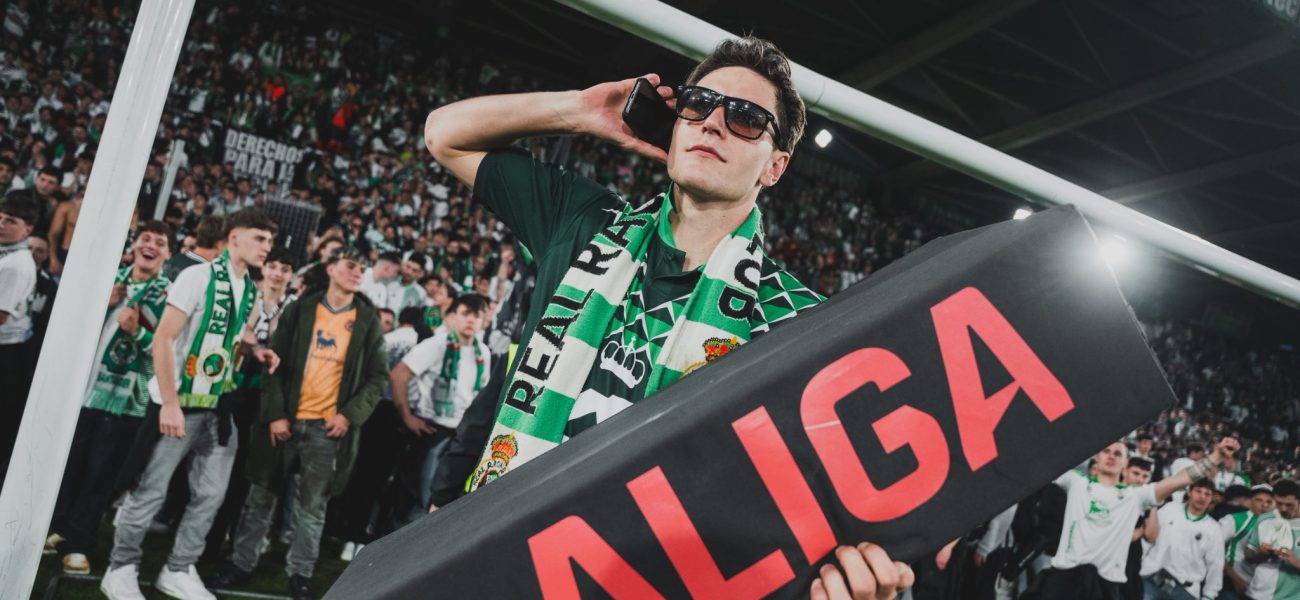
And what’s a drama without a feel-good subplot? The long-suffering faithful of Racing de Santander finally caught a break, clawing their way back into the top flight after more than a decade in football’s wilderness. This isn’t about mega-transfers or superstar egos. It’s about a community’s steadfast belief, a flicker of hope in an industrial city that’s seen better days. “This promotion isn’t just for the club; it’s a shot of adrenaline for Cantabria,” observed María Fernández, a regional parliament member and Racing supporter, at a jubilant post-match celebration. “It brings national attention, potential tourism, and, frankly, a much-needed sense of collective pride. We haven’t had much of that lately.”
These local sagas, as remote as Cantabria might seem from Islamabad or Dhaka, reverberate with an astonishing intensity. LALIGA’s global viewership isn’t a mere statistic; it’s an economic force, connecting millions. A 2023 report from LaLiga itself proudly proclaimed that its global audience exceeded 2.8 billion viewers, a substantial portion hailing from the Asian subcontinent. That’s a staggering figure, converting remote enthusiasm into direct and indirect revenue streams through broadcast rights, merchandise, and digital engagement. Because who cares more deeply about Barcelona’s woes or Real Madrid’s fortunes than a fan waking up at 1 AM in Karachi?
📄 POLICY WIRE WHITEPAPER PUBLISHED: PAKISTAN'S NATIONAL SECURITY POLICY PRIORITIES
👉 READ BY CLICKING HEREBack in Spain, the season’s final unified schedule matchday was less a sporting contest and more a high-stakes, multi-billion-euro poker game played out over 90 minutes. Survival in LALIGA meant tens of millions in broadcast revenue next season. A coveted European ticket? Potentially hundreds of millions more, alongside the priceless brand exposure that attracts elite talent. Fans were glued to transistor radios, a quaint echo of a simpler time, yet the digital tickers spun furiously, quantifying each desperate tackle, every goal, into tangible monetary value. And finally, Antoine Griezmann—Atlético’s “Little Prince”—took his bow, another iconic figure in a business that increasingly commodifies loyalty and demands calculated goodbyes. It’s a never-ending cycle of attachment — and detachment.
What This Means
This weekend’s footballing drama, from superstar exits to local miracles, isn’t just about athletic prowess; it’s a telling reflection of broader political economies at play. Big European clubs, much like multinational corporations, operate on globalized models of talent acquisition, brand management, and market expansion. The strategic dance between players, agents, and club executives speaks volumes about modern labor mobility and the fierce competition for human capital. When a club like Barcelona manages its debt by trading in high-profile assets, it’s a masterclass in financial engineering under public scrutiny. When a relegated team fights its way back, it offers a powerful narrative for local politicians to leverage, a rallying point in regions often forgotten by national capitals. the immense viewership from regions like Pakistan and India doesn’t just represent fandom; it’s soft power, a cultural export from Europe that influences trends and shapes desires halfway across the world, creating robust economies around digital consumption and advertising that transcend borders. It really demonstrates how tightly money, politics, — and a ball are interwoven.