


Hoop Dreams, Harsh Realities: Albuquerque’s Local News Dribbles Past Deeper Issues
POLICY WIRE — ALBUQUERQUE, N.M. — It’s a late spring day. The sun’s beating down, the desert wind whispers of upcoming summer heat, and what’s buzzing through the digital veins of local news outlets?...

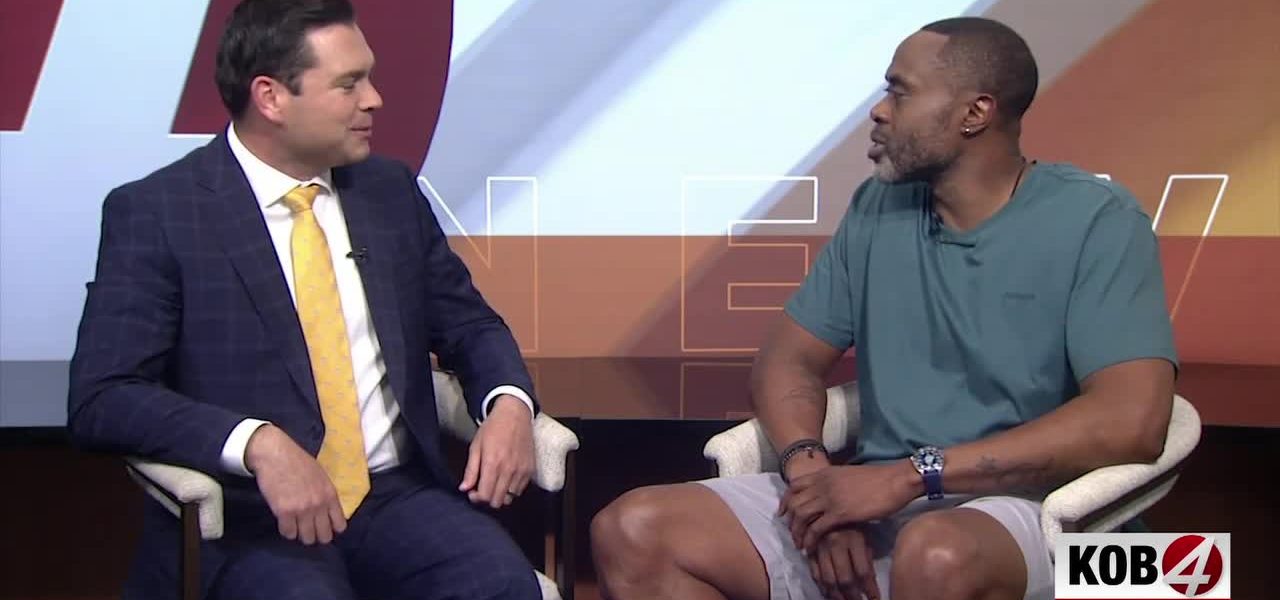
POLICY WIRE — ALBUQUERQUE, N.M. — It’s a late spring day. The sun’s beating down, the desert wind whispers of upcoming summer heat, and what’s buzzing through the digital veins of local news outlets? Basketball scores, naturally. Not high school championships. Not UNM Lobos heroics. Nope, the NBA Conference Finals, beamed straight into New Mexico living rooms as if the fate of the universe hinged on who’d punch their ticket to the ultimate showdown. Because, you know, KOB.com’s audience simply must have Kenny Smith’s insights on millionaires bouncing an orange ball. It’s an American pastime, sure, but in a state wrestling with some gnarly economic realities, this particular media obsession feels less like civic engagement and more like a carefully crafted distraction.
Local media’s embrace of national sporting spectacles, particularly basketball, isn’t new. But what it reveals about editorial priorities, shrinking news budgets, and the collective psyche of an audience searching for a quick escape, well, that’s another story entirely. For the KOB.com outfit, pushing out “Kenny’s Got the Score” with breathless enthusiasm might seem harmless. It might even seem commercially savvy. After all, eyeballs are eyeballs, aren’t they?
But when one considers New Mexico’s per capita income — roughly 31% lower than the national average in 2022, according to data from the Bureau of Economic Analysis — the persistent focus on remote athletic triumphs, rather than, say, local job creation initiatives or the slow grind of educational reform, starts to feel a bit, shall we say, *curious*. This isn’t just about Albuquerque. It’s about a broader media calculus that often prioritizes entertainment, even imported entertainment, over the nitty-gritty work of informing communities about what’s actually happening in their own backyard.
“We’ve got to balance what people want to watch with what they *need* to know,” conceded New Mexico Governor Michelle Lujan Grisham in an impromptu presser last week, addressing questions about media consumption habits. She added, a tight smile playing on her lips, “And sometimes, after a long day of navigating legislative gridlock or agency challenges, frankly, people just want to see some good hoops. That’s just human nature.” Her sentiment, while pragmatic, skates over a crucial point: local news isn’t just a mirror; it’s supposed to be a spotlight, too.
But what if that spotlight keeps swinging to something safe, predictable, and nationally syndicated, while local problems fester in the shadows? “It’s a race to the bottom for attention spans,” argues Dr. Aisha Rahman, a media ethics professor at Arizona State University, commenting on the trend. “When a local outlet devotes precious digital real estate to something like the NBA finals instead of an investigation into, say, water rights or affordable housing in their immediate area, they’re not just reporting. They’re making a strategic choice about what stories have ‘value.’ And often, that value is purely transactional — page views, not community empowerment.” Dr. Rahman’s observation stings, especially when considering the implications.
And it’s not just the U.S. we’re talking about. This phenomenon echoes globally, even in regions with starkly different geopolitical landscapes. Think of the Pakistan Super League (PSL) cricket fever that grips cities like Karachi or Lahore. Yes, it’s indigenous, it’s local talent, — and it unites a populace. Yet, sometimes that collective sports hysteria, broadcast ubiquitously, can divert public discourse from pressing economic stability challenges or regional tensions—a Mou’s Shadow effect, if you will, but with a different kind of pitch. But even there, state media usually maintains a tight leash on narratives, ensuring national interests are always front and center, whereas here, the choice seems less guided by overt propaganda and more by simple market mechanics and journalistic apathy.
Casual readers, perhaps scrolling through KOB.com on their lunch break, probably don’t dwell on these existential questions. They just want to know if their bracket’s busted, if the refs made a bad call, or if Kenny got it right this time. And who can blame them? Modern life’s tough; we’re all looking for a little mental vacation. Beyond the Buzzer, though, there’s usually a whole lot more happening.
What This Means
This localized sports-centric coverage by outlets like KOB.com signals several unsettling trends. Economically, it suggests a reliance on established, national brands—a cheaper content model for newsrooms whose own investigative capacities may be dwindling. It’s an admission, perhaps unspoken, that original, boots-on-the-ground local reporting is becoming an increasingly expensive luxury. Politically, the shift impacts community engagement. When media prioritizes distraction, citizens become less informed about local governance, elections, and public policy decisions that directly affect their lives. This creates a vacuum, making it easier for local leaders to operate with less scrutiny. It cultivates a citizenry more adept at discussing sports stats than tax rates, which isn’t healthy for a democracy. The economic pressures on local news outlets aren’t just financial; they’re corrosive to the very idea of an informed populace. And for all the feel-good moments the NBA playoffs might provide, they won’t fix a single pothole on an Albuquerque street.