


Mali’s Precarious Grip: Coordinated Assaults Expose Junta’s Fragile Authority
POLICY WIRE — Bamako, Mali — It wasn’t a single, isolated eruption of violence. No, this was something more insidious, a meticulously orchestrated gauntlet thrown down right at the feet of Mali’s...

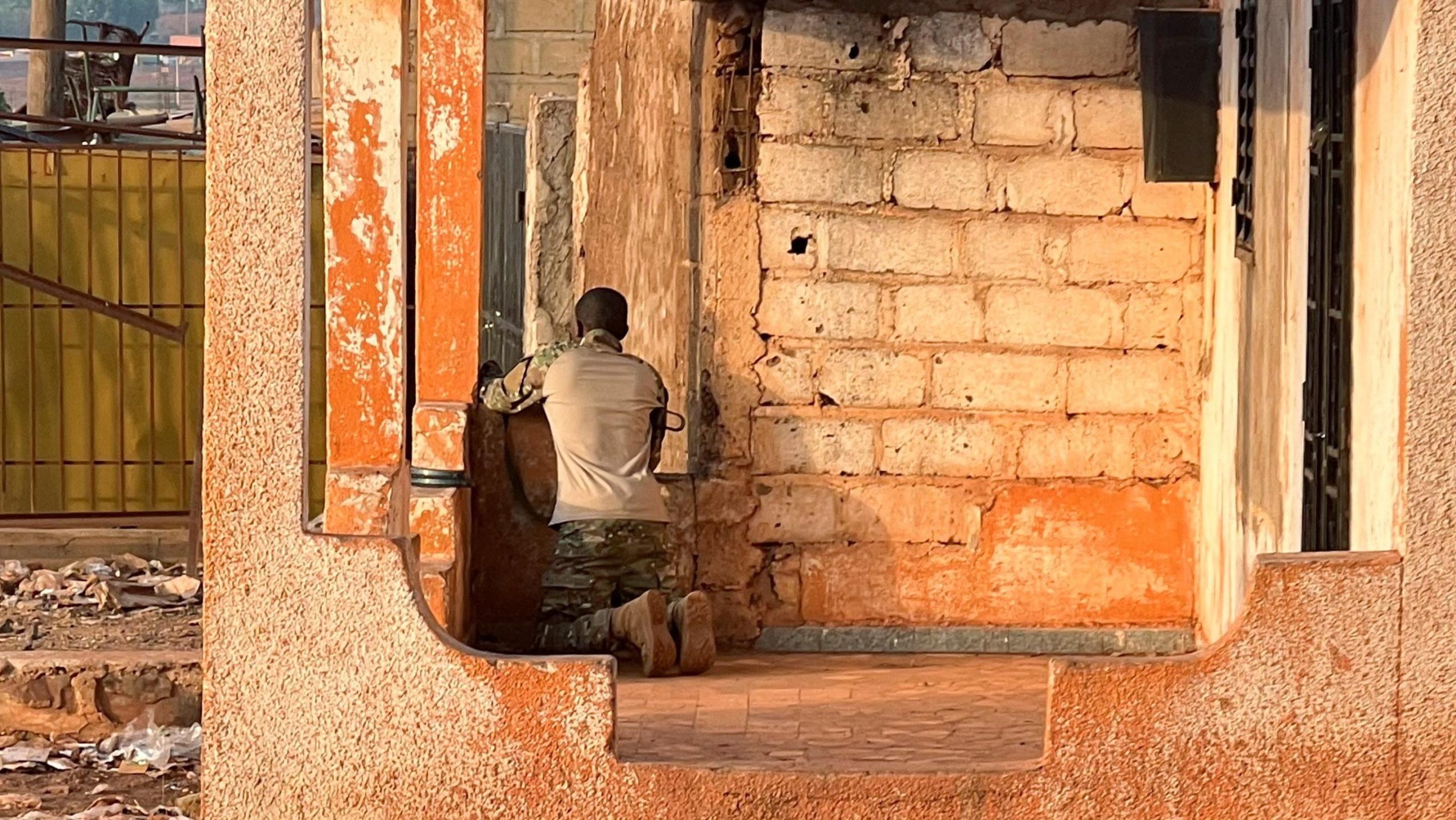
POLICY WIRE — Bamako, Mali — It wasn’t a single, isolated eruption of violence. No, this was something more insidious, a meticulously orchestrated gauntlet thrown down right at the feet of Mali’s military junta. Armed groups, often described broadly as Islamist militants, didn’t just strike; they launched simultaneous, coordinated assaults across multiple strategically significant locations, a defiant demonstration of reach and tactical acumen that’s sent shivers through the region.
Behind the headlines, this isn’t just another skirmish in the Sahel’s interminable conflict. It’s a profound challenge to Bamako’s increasingly tenuous control, a chilling reminder that swapping French forces for Russian Wagner Group mercenaries hasn’t magically stabilized a nation fractured by a decade of insurgency. The Malian Armed Forces (FAMa), despite their swagger, find themselves stretched thin. They’re contending with an adversary that seems to learn, adapt, — and exploit every nascent weakness.
The brazen attacks targeted military bases, supply routes, and civilian infrastructure, reportedly spanning key areas from the central Mopti region to the volatile north. Casualties, though officially downplayed, are understood to be significant. And the psychological impact? That’s perhaps even more devastating, undermining public confidence in a leadership that seized power promising security and stability. It’s a stark juxtaposition, isn’t it?
Brigadier General Oumar Traoré, a spokesperson for the Malian Armed Forces, shot back, declaring, “These cowardly acts underscore the desperate tactics of a defeated enemy. Our forces are fully capable of restoring order and protecting our citizens, with or without external interference.” His words, however, felt less like a rallying cry and more like whistling past a graveyard, particularly as reports of FAMa retreats and resource depletion continue to leak from the battle zones. Don’t underestimate the sheer audacity of these militants; they’re not just fighting; they’re projecting power.
At its core, Mali’s predicament mirrors a wider, deeply concerning trend impacting Muslim-majority nations globally — the relentless chipping away of state sovereignty by non-state actors fueled by extremist ideologies. From the tribal areas of Pakistan, where groups like the TTP exploit governance vacuums, to other corners of the Muslim world struggling for self-determination against entrenched threats, the playbook often looks depressingly similar. The erosion of central authority, coupled with economic grievances and a lack of viable alternatives, creates fertile ground for radicalization. It’s a narrative we’ve seen before, played out with different actors but similar tragic consequences.
Dr. Amina Diallo, Senior Analyst at the Sahel Security Institute, didn’t mince words. “What we’re witnessing isn’t just an escalation; it’s a recalibration of extremist strategy. They’re testing the junta’s resolve, — and frankly, they’re exploiting the vacuum left by shifting alliances. It’s a deeply worrying trend for regional stability,” she told Policy Wire. Her assessment underscores a critical point: the departure of Western counter-terrorism forces, ostensibly to make way for a more ‘sovereign’ approach, seems to have only emboldened the very groups they were meant to contain.
Still, the junta’s narrative remains unyielding: blame the West, embrace new partners. The pivot to Moscow, epitomized by the visible presence of Wagner operatives, hasn’t delivered the decisive victories promised. Instead, civilian casualties have reportedly mounted in some areas, and the operational effectiveness against highly mobile, adaptable insurgent groups remains questionable. The UN Office for the Coordination of Humanitarian Affairs (OCHA) reported over 6.5 million people in Mali required humanitarian assistance in 2023, a testament to the escalating crisis – a figure that will only swell as instability deepens.
What This Means
This latest surge in violence isn’t just a tactical setback; it’s a strategic defeat for Bamako. It punctures the myth of the junta’s robust security prowess and throws a harsh spotlight on the limitations of its new alliances. Politically, the coordinated assaults will further isolate the military government, making any path back to democratic rule – already a distant speck on the horizon – even more circuitous. Economically, a destabilized Mali spells disaster; foreign investment will dry up, aid flows will dwindle, and the already impoverished population will bear the brunt. For Mali’s neighbors, particularly Burkina Faso — and Niger, it’s a terrifying harbinger. The contagion of insecurity rarely respects borders, doesn’t it? Expect increased cross-border incursions — and a further entrenchment of militant networks across the Sahel. The region’s already fragile security architecture seems on the verge of total collapse, and Russia’s influence, rather than being a panacea, looks increasingly like an accelerant for instability.