


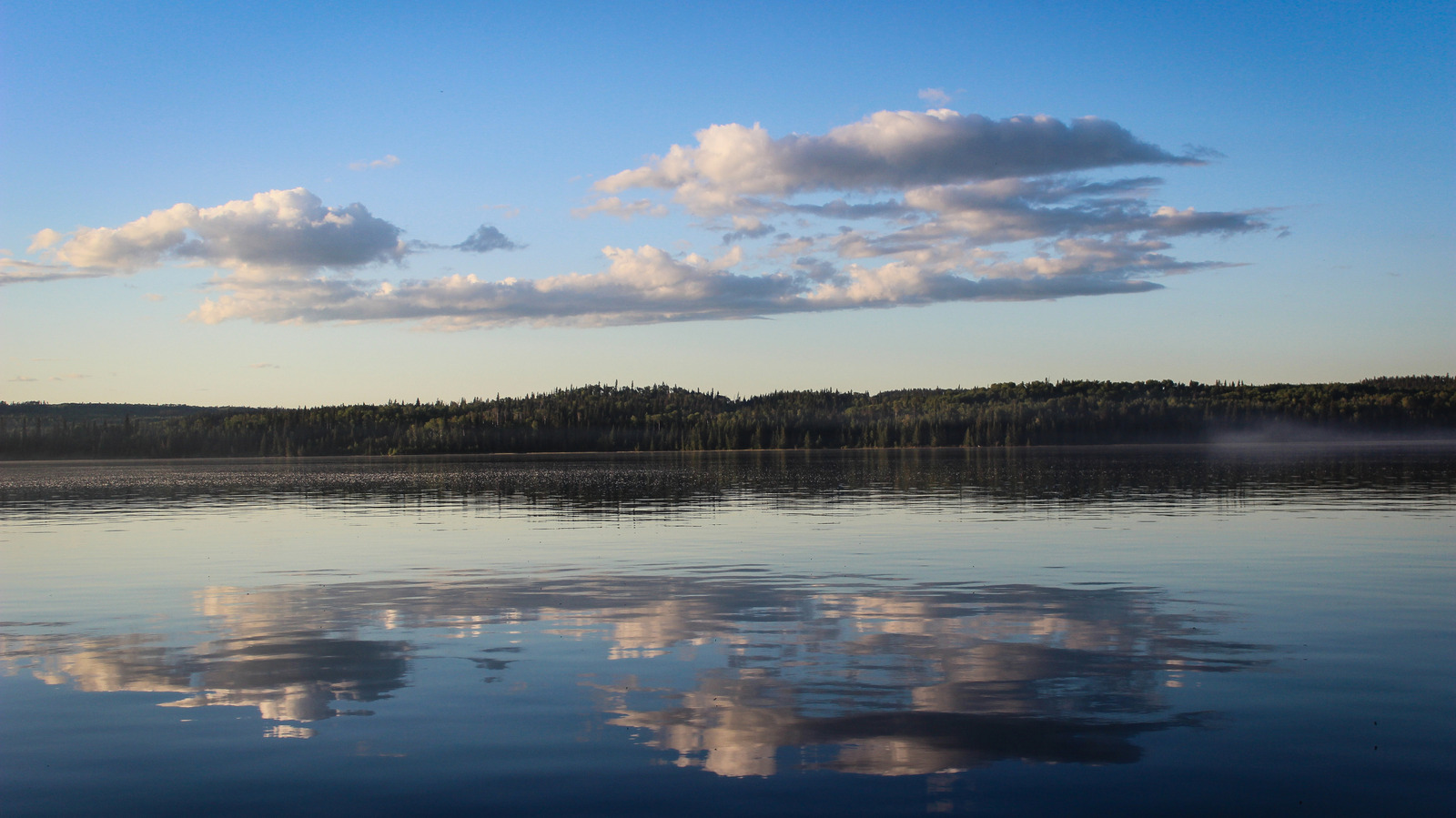
Maple Leaf Mirage: Canada’s ‘Wilderness Edens,’ Unquiet Arenas of Policy and Power
POLICY WIRE — Ottawa, Canada — There’s a peculiar irony in celebrating untouched wilderness. While postcards trumpet pristine Canadian landscapes, devoid of human fuss, the reality for places like...

POLICY WIRE — Ottawa, Canada — There’s a peculiar irony in celebrating untouched wilderness. While postcards trumpet pristine Canadian landscapes, devoid of human fuss, the reality for places like the country’s celebrated, though unnamed, Lake Park is a far more tangled affair of carefully managed wildness, tourist dollars, and perennial bureaucratic tugs-of-war.
It isn’t just about spotting a moose. Not anymore. This supposed sanctuary, famed for its [QUOTE_PLACEHOLDER] sits squarely at the crossroads of ambitious conservation goals and the relentless machinery of tourism. Wildlife thrives there, sure, seemingly oblivious to the policy briefs stacking up in various ministry offices. But their continued flourishing isn’t some happy accident; it’s a direct consequence of concerted, sometimes controversial, human intervention. We’re talking controlled burns, trail maintenance that often impacts sensitive habitats, and visitor management strategies – all designed to curate a particular experience for the nature-hungry masses.
Because, let’s be frank, even the wild has to earn its keep in the modern global economy. Canada’s National Parks, as a system, contributed over C$4.2 billion to the country’s GDP in 2021, according to Parks Canada data. That’s a chunk of change. This Lake Park, whatever its actual moniker, undoubtedly plays its part in that figure, drawing in throngs of local and international visitors who want their slice of tranquility—or at least, the marketed version of it. It’s a business, plain — and simple, albeit one cloaked in environmental altruism.
And it’s a complicated business, too. Consider the burgeoning challenges across vast, ecologically sensitive regions worldwide. From the towering peaks of Pakistan’s Karakoram National Park, grappling with glacier melt and increasing adventure tourism, to the mangrove forests along the coast of the Arabian Sea—all these disparate geographies share a common thread: the tension between preservation and human enterprise. The issues here in Canada are different in scale, perhaps, but the philosophical wrestling remains identical. How do you protect a place while simultaneously inviting the public to appreciate—and pay for—it?
Some call it ecotourism; others, perhaps more cynical, label it commodification of nature. Either way, the park’s administrators are constantly tweaking the formula. They’re balancing visitor quotas with wildlife corridors. They’re implementing digital reservation systems to mitigate overtourism during peak seasons. But one thing’s for certain: the notion of truly untouched wilderness is mostly a relic, a narrative convenience for travel brochures.
You can’t just let nature run wild, not if you want to keep the carefully manicured image – and the revenue – coming in. The park features [QUOTE_PLACEHOLDER] they say, which isn’t wrong. Black bears, elk, maybe even a wolverine or two; they’re all there. But it’s a precarious equilibrium, maintained by an army of wardens, biologists, and, let’s be honest, marketing strategists. They’re tasked with ensuring the ‘wilderness experience’ remains authentic enough to justify the trip, while also safeguarding the actual ecosystem from loving it to death.
What we’re looking at isn’t just a park; it’s a living policy experiment, constantly under review. The regulations for things like backcountry camping — and trail usage? Not abstract decrees, but direct responses to real-world pressures — and the very human impact we, the visitors, inflict. But let’s not pretend it’s a new dilemma—humanity’s been wrestling with its role in the natural world since we first learned to farm.
What This Means
This particular Lake Park – representative of Canada’s broader network of protected areas – isn’t just a scenic spot; it’s a microcosm of global conservation politics. Economically, its success helps buttress local economies through job creation in hospitality and related services, a crucial factor in many rural regions. It also serves as a carbon sink, quietly aiding Canada’s national and international climate commitments, often without fanfare. Politically, its management involves navigating complex Indigenous land claims and rights, as many of these protected areas overlap with ancestral territories. Decisions about resource extraction near park boundaries or even traditional hunting rights within them become flashpoints, demanding a delicate—and often impossible—balancing act.
Consider the international ripple effect: successful conservation models in Canada can influence approaches in other biodiversity-rich nations. Imagine the impact if countries in South Asia, facing rapid urbanization and resource depletion, could consistently integrate robust conservation financing with sustainable tourism and local community engagement, much like what Canada aims for. Pakistan, for instance, has embarked on ambitious reforestation drives and national park expansions in places like Balochistan and Khyber Pakhtunkhwa. But establishing the political will and consistent funding to create true ‘wilderness Edens’ that thrive *economically* while remaining *ecologically* sound is a persistent uphill battle everywhere, not just here in North America.
This Park’s ongoing evolution serves as a quiet reminder that while the ‘wild’ endures, its very existence is now largely a managed artifact, reflecting the policy priorities—and indeed, the anxieties—of an increasingly interconnected, human-dominated planet. It’s an ecosystem of flora and fauna, sure, but it’s also a thriving habitat for legislative battles, economic strategizing, and the perennial search for sustainable coexistence.