


Furry Forebodings: Albuquerque’s Overrun Shelters Hint at Deeper Social Fissures
POLICY WIRE — Albuquerque, New Mexico — It’s just after dawn on the city’s dusty outskirts. Another creature, shivering — and alone, gets discovered, abandoned like yesterday’s news. Not a...

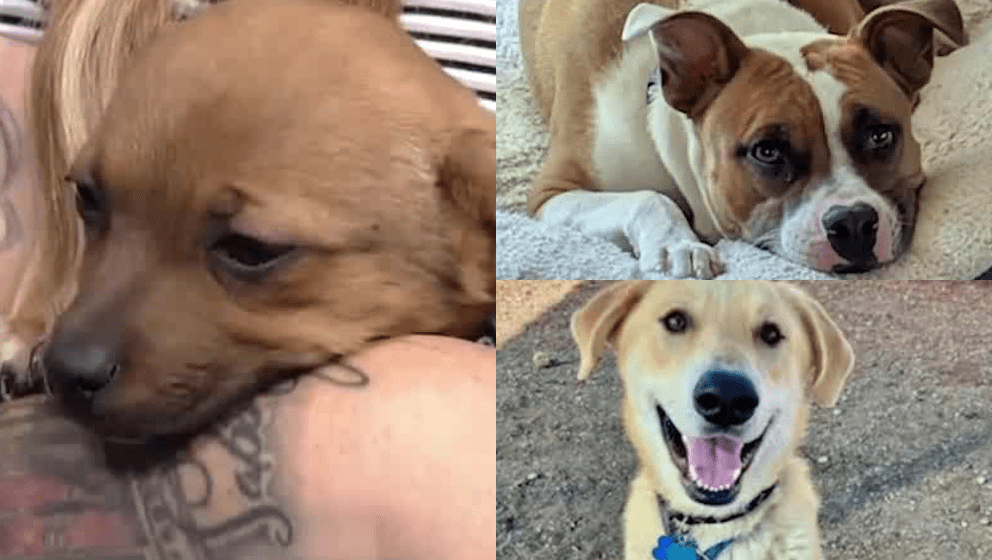
POLICY WIRE — Albuquerque, New Mexico — It’s just after dawn on the city’s dusty outskirts. Another creature, shivering — and alone, gets discovered, abandoned like yesterday’s news. Not a discarded political ideology or a failed economic policy—though one might argue those contribute—but a dog. Three particular dogs, in fact: Simba, Zuni, — and Saturday. They’re pawns, unwitting symbols of a silent social crisis quietly unfolding in the Land of Enchantment, a situation that says more about us than it does about them.
Most folks will scroll past their adoption photos online, a fleeting moment of ‘aww.’ But for those with eyes wide open, particularly here at Policy Wire, these animals aren’t just looking for a forever home; they’re barking an uncomfortable truth about systemic pressures bubbling beneath Albuquerque’s sun-baked facade. This isn’t simply a local pet adoption drive; it’s a bellwether, a granular manifestation of widespread societal disquiet.
Think about it. We’re often told a society’s true measure is how it treats its most vulnerable. In Albuquerque, that now often includes these animals, victims of circumstance just like so many people navigating precarious livelihoods. We’re seeing unprecedented surrender rates, they tell me. Not just strays picked up off the street. These are family pets, suddenly unwanted.
“We’ve witnessed an almost 35% surge in owner surrenders compared to pre-pandemic levels,” reports Mariana Chavez, Director of Animal Welfare for Albuquerque. She sighs, a weary sound. “It’s heartbreaking, you know? People used to say, ‘my dog is my child.’ Now, sometimes, those children end up with us, bewildered. Folks just don’t have the capacity—or the funds—anymore to keep them, and that’s not something we can ignore.” Indeed, that figure, pulled from the city’s Q3 2023 municipal animal services report, paints a stark picture. It reflects something much more profound than simple pet ownership; it reflects economic stress, housing instability, and the unraveling of community safety nets.
These animals—a robust Lab mix named Simba, a spirited Pit Bull terrier called Zuni, and the more enigmatically named Saturday (perhaps an irony, given the endless weekdays of shelter life)—aren’t isolated cases. They represent hundreds. And that number, it keeps growing. Because sometimes, when a community feels it can’t care for its own, the furry dependents are the first to feel the squeeze. And it isn’t just America facing such a conundrum. Think about how difficult it can be for charitable organizations, for instance, in bustling megacities like Karachi, Pakistan, to address the needs of vast populations of street animals amid pressing human development challenges. Resources are always stretched thin, creating a global dialogue about where priorities truly lie when push comes to shove.
“We’re trying to expand our foster programs, engage with community partners, and plead with folks to consider adoption, but it feels like bailing out a sinking ship with a thimble sometimes,” offered Councilor Benicio Montoya, whose district encompasses parts of the Eastside Shelter’s service area. His voice held a measured gravity. “These animals are a visible indicator. When families can’t keep a pet they clearly loved, what else are they letting go of? What are the ripple effects for our neighborhoods, our schools, our local economy? This is symptomatic, not just a problem in itself. It’s time we start looking at the bigger picture.” He’s not wrong; it’s never just about the pets.
The city’s struggle with animal welfare reflects wider currents, from inflation eroding disposable incomes—making pet food and vet care luxuries for some—to the relentless churn of eviction notices that often leave tenants scrambling for pet-friendly housing they simply can’t afford. It’s a vicious cycle. What was once considered a minor concern, fodder for saccharine local news segments, is becoming a grim reflection of a deteriorating urban landscape, one where compassion itself might be deemed an unaffordable indulgence for struggling families. Just last year, an estimated 6.3 million companion animals entered U.S. animal shelters, according to the American Society for the Prevention of Cruelty to Animals (ASPCA), with about 3.1 million dogs and 3.2 million cats.
Consider the psychological toll too, on the shelter staff, on the volunteers, who witness this parade of innocent, displaced lives daily. Their emotional labor is immense, an often-overlooked facet of the public service sector. They’re on the front lines, not just of animal care, but of human heartbreak, providing solace to both the surrendered pets and the anguished owners forced to say goodbye.
What This Means
The crisis gripping Albuquerque’s animal shelters isn’t some peripheral issue. It’s a flashing red light for policymakers, illuminating fissures in the city’s social — and economic architecture. On an economic level, increased pet surrenders directly correlate with economic downturns, rising cost of living, and stagnant wages. Families are cutting corners, and often, beloved pets become an untenable expense—a painful, last-ditch budgeting decision. This puts a significant strain on municipal budgets, diverting funds and personnel that could address other pressing needs. But that’s a zero-sum game, isn’t it?
From a political perspective, this growing population of abandoned animals symbolizes a deeper breakdown of trust and social cohesion. It signals a city struggling to support its residents, which inevitably impacts everyone and everything within its borders. A society that can’t manage its foundational social structures—housing, employment, even communal well-being—will find ancillary services like animal welfare becoming overloaded. It’s a barometer of overall public health. Ignoring it means ignoring fundamental vulnerabilities. And it’s a problem that isn’t going away soon. Perhaps the cost of public services needs a hard, honest look if we’re to prevent the vulnerable from falling through the cracks, no matter how many legs they’ve.
So, the next time you see a cheerful adoption plea for a dog named Saturday, remember it’s not just about a cute face. It’s a headline. A silent shout from the heart of a city, pleading for us to pay attention to the stories behind the sad eyes.