

Mali’s Junta Tightens Grip: Leader Seizes Defense Portfolio Amidst Regional Tremors
POLICY WIRE — Bamako, Mali — A single, audacious decree often speaks louder than any parliamentary debate, especially in nations where such debates have become a quaint, historical relic. This week,...

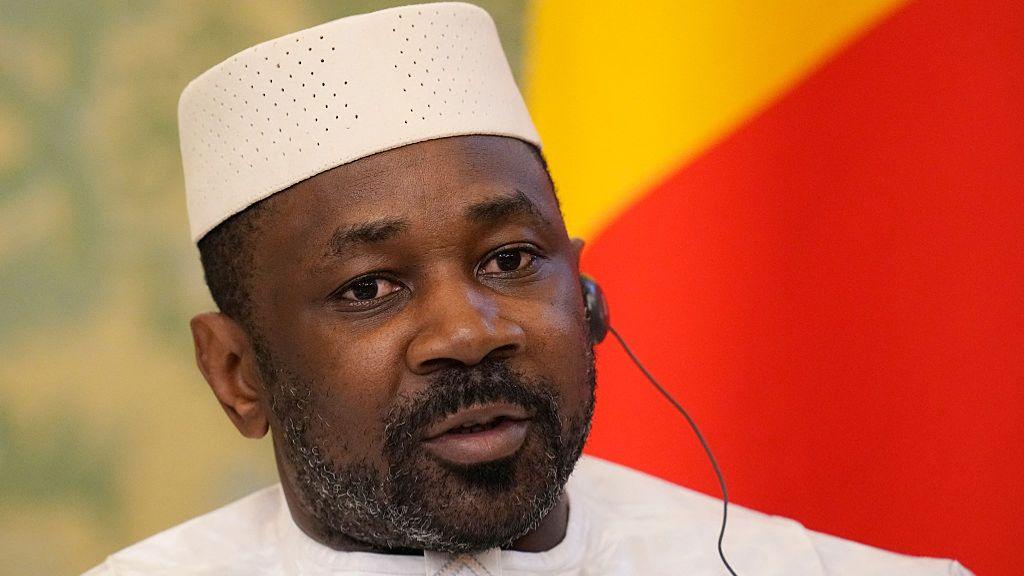
POLICY WIRE — Bamako, Mali — A single, audacious decree often speaks louder than any parliamentary debate, especially in nations where such debates have become a quaint, historical relic. This week, Mali’s transitional leader, Colonel Assimi Goïta, did precisely that, appointing himself Minister of Defence and Veterans Affairs. A move, many argue, that wasn’t merely a cabinet reshuffle, but a stark, undiluted assertion of power following the suspicious — some might say convenient — death of his predecessor, Lieutenant Colonel Sadio Camara.
It’s a familiar script in West Africa, isn’t it? The echoes of previous coups, still reverberating across a region grappling with democratic backsliding, found a fresh, stark amplification here. Goïta’s latest maneuver consolidates authority at a moment of profound internal and external pressures, from pervasive jihadist insurgencies that fray the nation’s edges to increasingly strained relations with international partners. This wasn’t merely an administrative adjustment; it’s a reassertion of unbridled military dominance.
Behind the headlines of an unexpected death and a swift replacement lies a deeper narrative of a junta, already under the thumb of Western sanctions, resolutely charting its own course. Camara, whose demise due to a supposed “cardiac arrest” was announced without much detail, had been a pivotal figure in the 2020 coup that initially brought Goïta to prominence. He’d also been the face of Bamako’s deepening military ties with Moscow, a pivot that starkly alienated traditional allies like France and the European Union.
“This decision wasn’t taken lightly; it’s a a consequential step to fortify our nation against the multifarious threats that besiege it, both internal and external,” Goïta’s office, via an unnamed spokesperson, declared in a statement that offered little room for nuance. “Stability demands decisive leadership, and I’m prepared to shoulder that burden.” It’s a sentiment frequently voiced by strongmen — a call for stability that often translates into a tightening of control.
But the audacity of the move, coming swiftly after the purported assassination of his predecessor — a man whose tenure itself was a product of the very same coup machinery — speaks volumes about the junta’s unyielding grip and its dismissive stance towards even the pretense of civilian oversight. Colonel Goïta’s ascension to the defence portfolio underscores a deliberate strategy to centralize command, reducing any potential for rival power centers within the military hierarchy. It’s an old trick, but an effective one.
And so, as the Sahel continues its precarious dance with extremism, Mali’s internal political machinations carry weight far beyond its borders. The struggle for definitive attribution in such volatile regions – echoing debates around groups like ISIS-K in South Asia – often obfuscates the deeper political currents at play. Mali, a Muslim-majority nation, faces not only the existential threat of radical groups like Jama’at Nusrat al-Islam wal Muslimin (JNIM) but also the corrosive influence of a political class seemingly addicted to power, regardless of the cost to its populace. Its predicament isn’t unique; it’s a stark mirror to governance challenges faced across the global South.
“We’re watching Mali’s trajectory with profound disquiet,” shot back Dr. Emeka Okoro, a senior political analyst for the Economic Community of West African States (ECOWAS), speaking from Abuja. “The repeated erosion of democratic norms, especially through such self-aggrandizing maneuvers, imperils not just Mali’s future but the broader regional architecture of peace. This isn’t the path to recovery; it’s a detour into deeper authoritarianism.” His frustration, it’s fair to say, was palpable.
📄 POLICY WIRE WHITEPAPER PUBLISHED: PAKISTAN'S NATIONAL SECURITY POLICY PRIORITIES
👉 READ BY CLICKING HEREThe country has suffered three successful military coups since 2012, a stark testament to its persistent political fragility. The UN reported over 330,000 internally displaced persons as of late 2023 due to ongoing conflict, a grim statistic that highlights the human cost of this relentless instability.
What This Means
Goïta’s latest power grab has profound implications, both domestically — and internationally. For Mali, it signals an even more centralized military government, likely diminishing any lingering hope for a swift return to democratic rule. It’s improbable that the junta, having consolidated this much power, will relinquish it voluntarily in the near term. Economically, this move will only further alienate Western aid and investment, pushing Bamako deeper into the arms of Russia and other non-traditional partners. This pivot, while offering short-term military support, often comes with its own geopolitical baggage and fewer commitments to good governance.
Regionally, the act sends a chilling message to other nascent democracies or fragile states: military intervention, once tolerated, can easily entrench itself. ECOWAS, having imposed sanctions with limited effect, now faces a dilemma: escalate punitive measures, further hurting the Malian populace, or tacitly accept the new reality. Neither option is palatable. This narrative deflection, a familiar tactic in conflict zones from Afghanistan to the Sahel, often serves to justify further military intervention or consolidate internal power.
Still, the global community, particularly Muslim-majority nations with their own experiences of political upheaval and external interference, watches with a mix of apprehension and recognition. The struggle for national sovereignty against both internal threats and external pressures—a challenge intimately understood in places like Pakistan—is starkly on display. Mali isn’t just a West African problem; it’s a global symptom of governance deficits in an increasingly complex world.
At its core, this isn’t just about one man accumulating another title. It’s about a nation’s trajectory, its struggles against extremism, and the fragile nature of democratic aspirations in a strategic, resource-rich part of Africa. And it’s a story, we’re quite certain, that’s far from over.