


Malaysian Drink-Driving Crisis Deepens as Bangladeshi Influencer’s Death Fuels Outcry
POLICY WIRE — Kuala Lumpur, Malaysia — It wasn’t just another traffic accident; it was a societal flashpoint. The death of a popular Bangladeshi content creator in an alleged drink-driving...

POLICY WIRE — Kuala Lumpur, Malaysia — It wasn’t just another traffic accident; it was a societal flashpoint. The death of a popular Bangladeshi content creator in an alleged drink-driving incident has ignited a powder keg of public anger across Malaysia, reigniting an urgent debate about road safety and the perceived leniency of current laws.
This latest tragedy, involving a Malaysian soldier, isn’t an isolated incident. Instead, it marks the second similar fatal case in less than a month, putting immense pressure on authorities to act decisively.
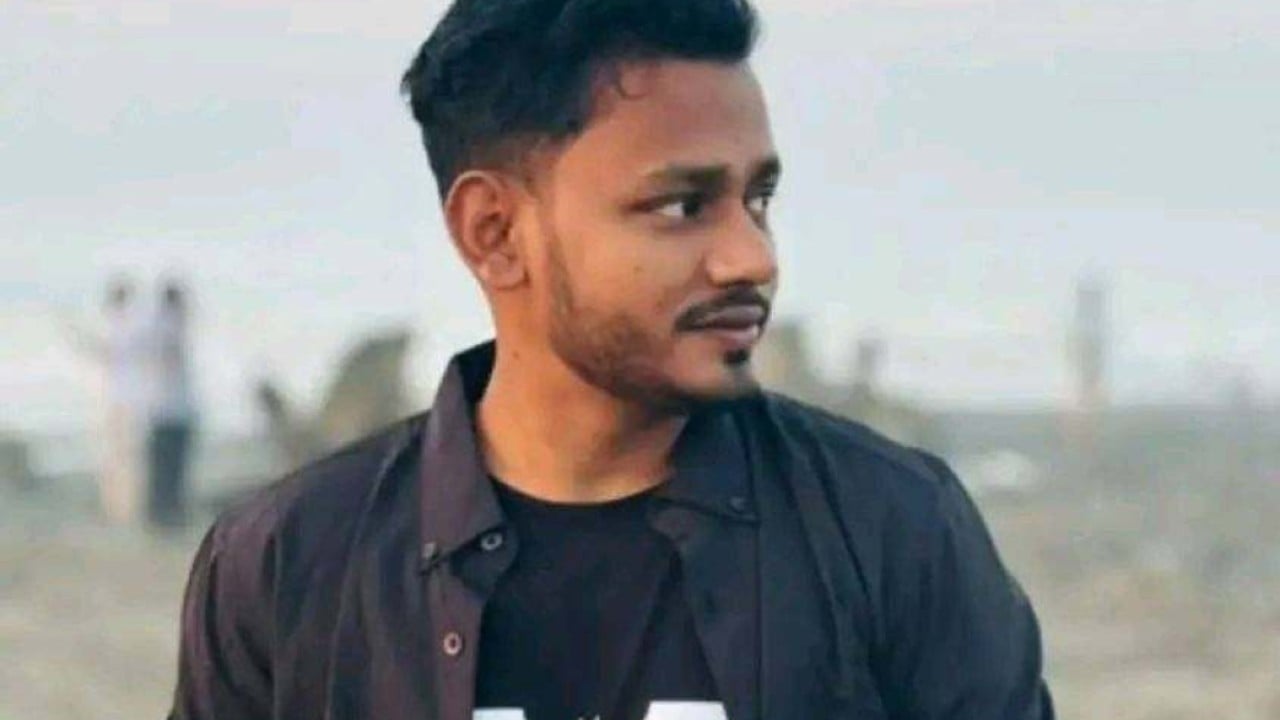
For weeks, frustrations have simmered over Malaysia’s persistent drink-driving problem. But now, with the passing of Muzahid Millad, known to millions online as Advance Gaming, the outrage has reached a fever pitch, resonating far beyond the nation’s borders.
Millad, a vibrant 22-year-old, died tragically last Wednesday. His e-hailing vehicle, carrying him and his wife, was struck on the Maju Expressway when a suspect’s car allegedly veered recklessly into the opposite lane.
Not everyone grasped the enormity of his digital footprint. Millad was more than just a gamer; he was a beacon for the diaspora, particularly among South Asian communities globally.
His loss feels deeply personal to many. Fans and community leaders alike are calling for severe penalties, arguing that current punishments fail to deter repeat offenders or reflect the sanctity of human life.
Make no mistake, this isn’t simply about a traffic violation. It’s about a gaping hole in public trust and a perceived failure of the justice system to adequately address a preventable menace.
Datuk Seri Hamzah Zainudin, Malaysia’s former Home Minister, speaking recently on road safety, didn’t mince words.
“We must revisit the penalties for such grievous acts. The current framework isn’t sending a strong enough message. It’s time for legislation that truly reflects the severity of ending a life due to such irresponsible actions,” he told reporters, emphasizing the government’s commitment to review existing laws.
And yet, a solution remains elusive. Police statistics paint a grim picture. In 2023 alone, Malaysia recorded a staggering 4,634 road fatalities, according to official government data, a number that underscores the critical need for systemic change.
Behind the headlines, a more nuanced story unfolds. Millad’s popularity stemmed from his ability to connect with a vast, often underserved, audience. His videos bridged cultural divides, offering entertainment and a sense of belonging to young people, including a significant segment of the Bangladeshi migrant worker community in Malaysia.
These communities, often vulnerable and marginalized, view his death as a stark reminder of their own precarious existence, dependent on the host country’s laws and enforcement.
Amirul Hassan, a prominent community activist in Kuala Lumpur, voiced the collective grief and frustration.
“Muzahid was one of ours, a success story who uplifted many. His tragic death at the hands of alleged negligence isn’t just a loss for his family; it’s a profound loss for our entire community. We demand justice, not just for him, but for every life needlessly cut short by reckless driving,” Hassan stated emphatically, reflecting the deep emotional impact.
The incident also highlights the complexities of Malaysia’s multicultural fabric and its relationship with its large expatriate and migrant populations. It’s a story that resonates across the Muslim world, where influencers often serve as cultural ambassadors and community unifiers.
Can the nation truly afford to ignore this deepening crisis?
What This Means
The political implications here are considerable. The rising public outcry, amplified by social media and the global reach of Millad’s platform, leaves the Malaysian government with little room for complacency. Expect renewed legislative pushes to stiffen penalties for drink-driving offenses, potentially including mandatory jail terms and significantly higher fines.
Politicians will be keenly aware of the upcoming electoral cycle and the need to be seen as responsive to public sentiment. Failing to act could erode public trust further, particularly among younger, digitally-native voters who are highly engaged with such stories. This isn’t just about traffic laws; it’s about the state’s perceived ability to protect its citizens and residents alike.
Economically, persistent road safety issues, especially those involving foreign nationals, can subtly impact Malaysia’s image as a safe destination for tourism and foreign workers, though the direct economic hit from this specific incident is likely minimal. The diplomatic angle also comes into play; Bangladesh and other South Asian nations will be watching closely how Malaysia handles the justice process, especially given the victim’s profile.
Will this incident finally spur the wholesale reevaluation of road safety enforcement that so many have called for?
Related: Digital Forgery Fuels Anti-Chinese Sentiment in Malaysia’s Identity Wars
Still, experts believe meaningful change requires more than just stricter laws. It demands a cultural shift, aggressive public awareness campaigns, and consistent, transparent enforcement across all societal strata. Without that, we’re likely to see these tragic cycles repeat.