

Desert Bloom: How New Mexico’s Villages Are Rewriting the Script on Global Identity Politics
POLICY WIRE — Los Ranchos de Albuquerque, N.M. — It wasn’t the kind of event one usually sees splashed across the global wire services—no dramatic geopolitical summits, no seismic market...

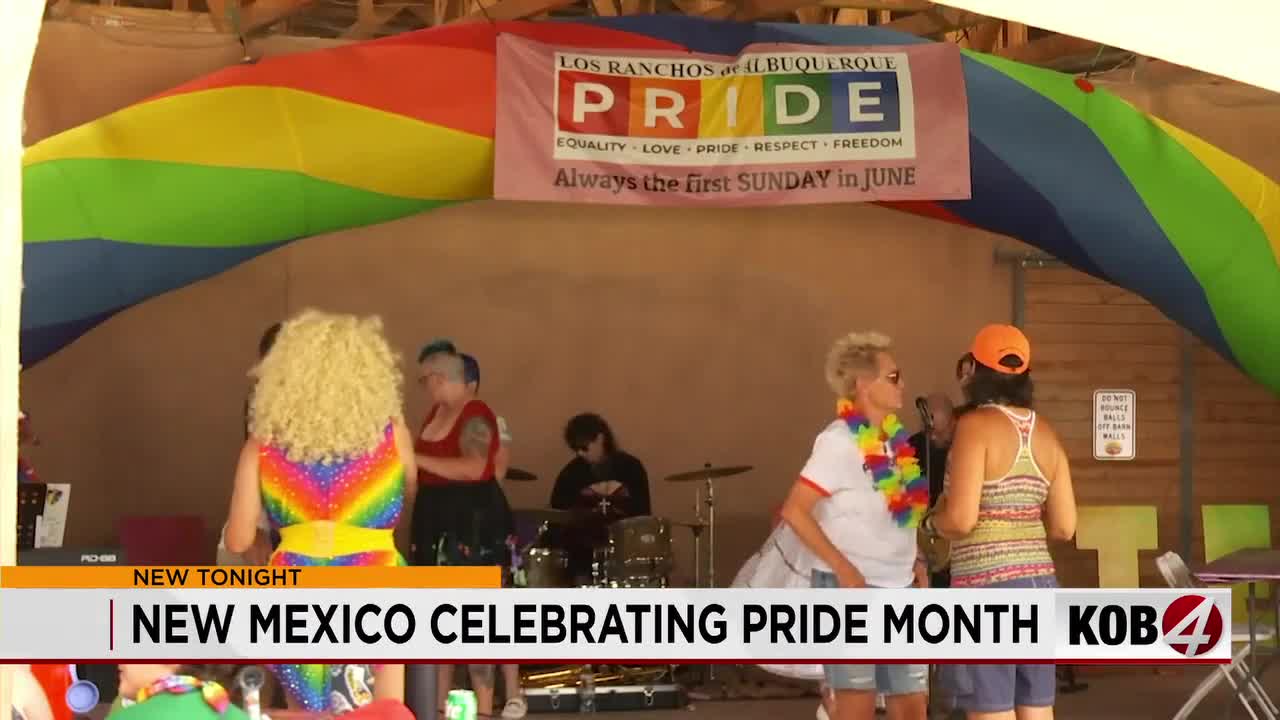
POLICY WIRE — Los Ranchos de Albuquerque, N.M. — It wasn’t the kind of event one usually sees splashed across the global wire services—no dramatic geopolitical summits, no seismic market shifts. Just a small-town gathering in New Mexico, people holding hands, unfurling rainbow banners, celebrating something called ‘Pride.’ But dismiss it at your peril. Because tucked within these seemingly unassuming community festivities, especially in places like Los Ranchos de Albuquerque, you’ll find the beating heart of a far broader, far more contentious struggle for recognition, a struggle playing out on main streets and parliamentary floors the world over.
It’s easy, perhaps even tempting, to view these local events as mere parades, cultural ephemera divorced from the grittier realities of policymaking. But the organizers—the participants—they don’t see it that way. Not for a minute. They’re enacting policy, shaping the public square, asserting a kind of grassroots diplomacy that often precedes, and sometimes outright demands, legal and political recognition.
Raymond Sierra Lopez, who chairs the ABQ Pride Board, isn’t sugarcoating it. “Pride is important because it started as a protest. The gay rights movement started on June 28, 1969 by trans women of color and other minority groups.” It’s a sharp reminder. This isn’t a party, not solely. It’s an act of remembrance, a reassertion of a fundamental right to exist, unmolested. It’s defiance, neatly packaged.
The original rebellion, those raw, urgent demonstrations, occurred just over fifty years ago. Today, in much of the West, the legal framework has largely shifted, if not always the social acceptance. A 2022 Gallup poll, for instance, revealed that 71% of Americans now deem gay or lesbian relations morally acceptable—a dizzying climb from a mere 40% two decades prior. These numbers tell a story, don’t they? They show a society in flux, nudging itself, often begrudgingly, toward something resembling inclusion.
But the battles rage on. Not everyone’s on board, naturally. And this isn’t just about parades. It’s about cultural dominance, about whose narrative wins. Here in Los Ranchos, for all its bucolic charm—its adobe architecture, its sprawling properties—there’s still pushback. Dr. P.J. Sedillo, one of the organizers of the local Pride event, observed this firsthand. “I went to Rio Rancho, the first Pride event yesterday — and there were protesters. It had signs that said parental guidance is advised.” He shakes his head, the implication clear: even in America’s melting pot, some kettles simply refuse to boil over into new cultural recipes. “Individuals like that, they need to be educated.”
Sedillo isn’t asking for assimilation, not exactly. More for comprehension. For basic decency, really. The fight isn’t only about recognition; it’s about safety, about telling vulnerable individuals they’re not alone. It’s critical work, given the continuing climate of intolerance in some quarters. And sometimes, you know, these moments save lives. Maybe a kid who came to Los Ranchos will look back — and say, ‘That day changed everything.’
Because the issues that bubble up in New Mexico’s sleepy corners don’t stay local. They echo. They reverberate. Think about the discourse surrounding gender — and sexuality in places far removed from the Land of Enchantment. While communities here navigate the nuances of inclusion, entire nations wrestle with what ‘modernity’ means for deeply held religious and traditional values. You look at Pakistan, for example, or other parts of the Muslim world—there’s an intense, often dangerous, push-and-pull over LGBTQ+ rights. Legal frameworks are often prohibitive, and societal acceptance, where it exists, is frequently precarious, clandestine. Pakistan’s parliament passed the Transgender Persons (Protection of Rights) Act in 2018, allowing individuals to self-identify their gender. But then, as political tides shift, religious leaders, asserting their traditional interpretations, challenge and condemn such legislation, sometimes sparking a furious backlash. It’s a dynamic, see, a dance between aspiration and tradition, playing out in different keys, but with similar rhythms, whether it’s a village in Balochistan or a small town near Albuquerque.
It’s all connected, of course. The human urge for authenticity, for belonging, isn’t bound by borders. The tensions playing out within the Presbyterian Church over similar social issues demonstrate that even venerable institutions aren’t immune to these seismic cultural tremors. They’ve gotta adapt, or they’ll be left behind.
What This Means
The micro-political stage of a New Mexico Pride event isn’t just about local color; it’s a bellwether. Economically, inclusive communities often attract diverse talent pools, fostering innovation — and resilience. Businesses eyeing long-term growth watch these shifts. Politically, the normalization of LGBTQ+ visibility in these smaller towns represents a deeper entrenchment of civil rights, making it harder for regressive legislation to gain traction at state or federal levels. It’s a slow-motion culture war, sure, but battles are won on many fronts, not just in Washington. The social impact, arguably, is the most profound: the cumulative effect of hundreds of these small events is to slowly, deliberately, recalibrate the very definition of ‘community,’ making it more expansive, less prescriptive. This grassroots momentum generates a ripple effect, indirectly influencing foreign policy narratives and human rights dialogues even in countries where such displays of ‘Pride’ would be unimaginable. It says: ‘This isn’t going away. You’ll deal with it.’ And for a country always struggling with its own self-image, its own evolving definitions, that’s saying something.