


Living Through the Heat: How South Asia Is Enduring One of Its Worst Heatwaves Yet
At first, it felt like just another hot day in April, early sunshine, quiet streets slowly coming to life, the familiar clatter of tea stalls getting started. But by midday, the heat turned...

At first, it felt like just another hot day in April, early sunshine, quiet streets slowly coming to life, the familiar clatter of tea stalls getting started. But by midday, the heat turned punishing. In cities and towns across India and Pakistan, it became more than discomfort; it was dangerous. People stayed indoors, power grids struggled, and the streets emptied under a sun that didn’t seem to let up. This year’s heatwave, sweeping across much of the Indian subcontinent, has been one of the most severe on record. With temperatures climbing as high as 46.4°C in places like Barmer, Rajasthan, this wasn’t just an early summer spike; it was a warning.
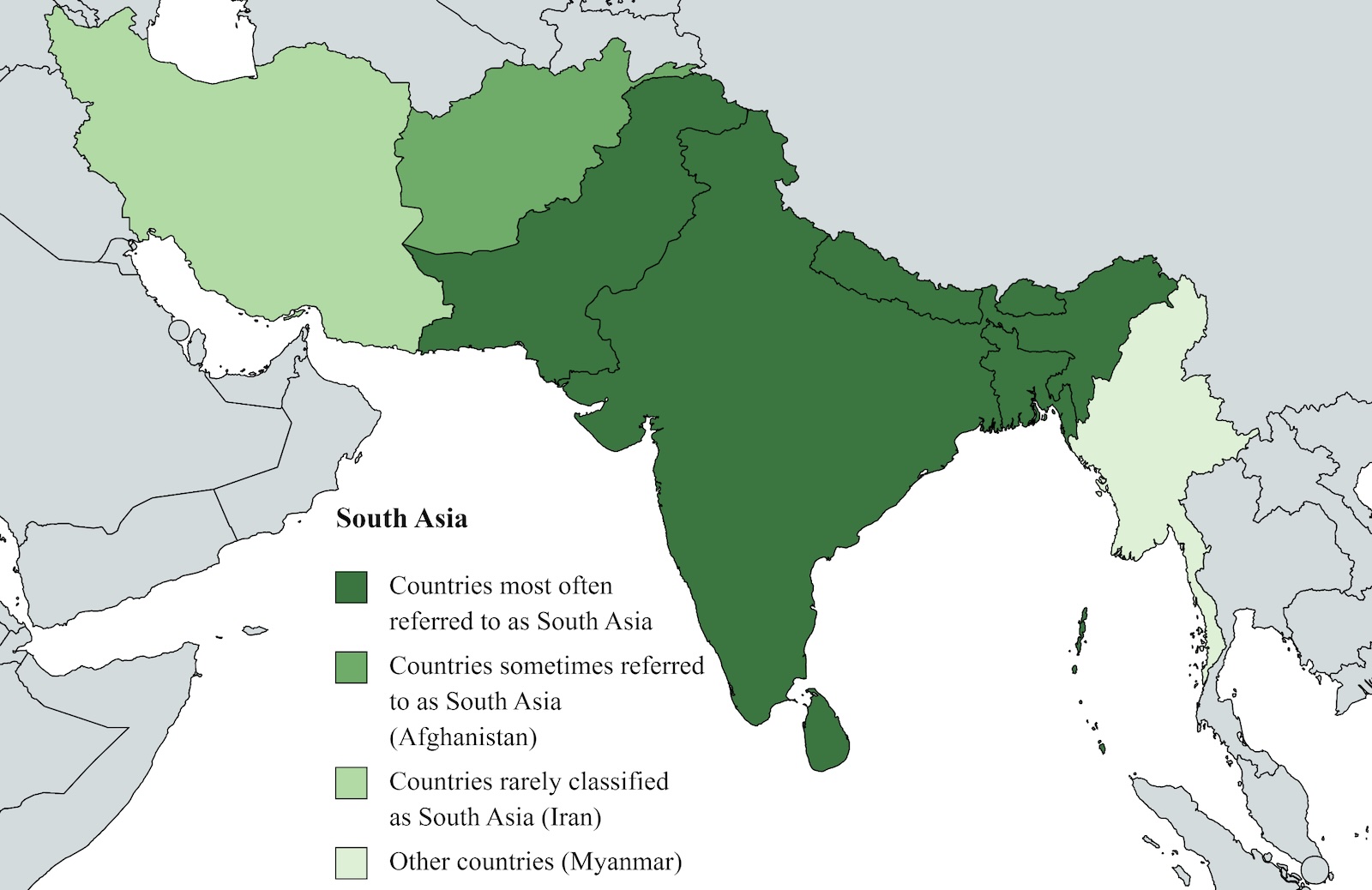
The heatwave began in early April and hasn’t let up since. It’s affecting tens of millions of people across northern and northwestern India, as well as parts of southern Pakistan. What’s different about this one isn’t just the temperature, but the consistency, day after day of intense heat, without relief.
In Indian states like Bihar and Uttar Pradesh, the consequences have been heartbreaking. Strong winds and sudden storms, made worse by the heat, have already claimed lives. Hospitals are seeing a rise in cases related to heat exhaustion and dehydration, and outdoor workers are among the most vulnerable.
In Pakistan’s Balochistan province, conditions are just as dire. With water already scarce, the heat is putting even more pressure on people and resources. Many schools have closed temporarily to protect children from sunstroke and other heat-related risks. While cities wrestle with keeping cool, farmers across the region are facing a different kind of crisis. Crops that were just starting to ripen have been scorched. Wheat, mangoes, and lychees, key staples for many families, are withering under the heat.
In Haryana and Punjab, wheat yields have dropped sharply, with early estimates showing losses between 10 and 35 percent. Many farmers are worried this could push them into debt. “Everything was going well until April came,” said one farmer from Punjab. “Now the wheat has dried up before we could even harvest it.” Livestock hasn’t been spared either. Many farmers report losing animals to heat stress, which adds another layer of financial and emotional toll.
With air conditioners and fans running full blast, electricity demand has surged. Cities like Delhi and Karachi are experiencing widespread blackouts, especially in poorer neighborhoods. While some residents can afford backup power, many others are left to suffer in the dark, battling 40°C+ nights with no relief. This heatwave has once again revealed deep inequalities. Where wealthier families can afford cooling systems and bottled water, millions rely on open windows and public taps, if there’s any water to be had at all.
Water is quickly becoming the most urgent concern. Rivers and reservoirs are running low, and in many towns, water is being rationed. In rural Pakistan, aid groups have begun distributing bottled water to avoid a health crisis. Meanwhile, Indian cities are already sounding the alarm on declining groundwater levels. Access to clean water is always essential, but during a heatwave, it becomes a lifeline. And when supply doesn’t meet demand, people are forced to make impossible choices between drinking, cooking, or staying clean.
While heatwaves are nothing new in South Asia, scientists say this one carries a clear message: climate change is no longer a distant threat. A recent study suggests that human-caused climate change has made extreme heat in this region 30 times more likely. Long-term shifts in temperature and erratic weather patterns are already making life harder for millions. What used to be rare, record-breaking temperatures are now becoming normal. And unless global emissions are cut drastically, these kinds of heatwaves could happen even more frequently, and get even worse.
The 2025 India–Pakistan heatwave is not just a freak weather event, it’s a glimpse into what the future could look like if we continue on our current path. This crisis has affected lives, food security, water access, and health. But it has also exposed how unprepared we still are. Governments need to invest in early warning systems, sustainable farming methods, and public cooling shelters. We also need better infrastructure and energy access for everyone, not just the privileged few. Climate change is already here. It’s no longer enough to talk about preventing it. Now, the question is: how will we adapt, and how fast can we act?
People of the affected region can take this as a wake-up call, they may still be able to avoid the worst. But if they ignore it, they risk turning heatwaves like this from rare events into the new normal.
Author