


Italian Women’s Cup: The Grudge Match Beyond the Pitch
POLICY WIRE — Milan, Italy — Another Sunday, another trophy on the line for Italian women’s football’s enduring titans, Juventus and Roma. The final bell tolls for their 2025/26 campaign, but it...

POLICY WIRE — Milan, Italy — Another Sunday, another trophy on the line for Italian women’s football’s enduring titans, Juventus and Roma. The final bell tolls for their 2025/26 campaign, but it feels less like a celebration and more like another bruising encounter in a rivalry that’s become as predictable as it’s fierce. Don’t let the cheers fool you; this isn’t just sport. It’s a calculated affair, a battle for bragging rights and — let’s be frank — market share in a rapidly professionalizing landscape.
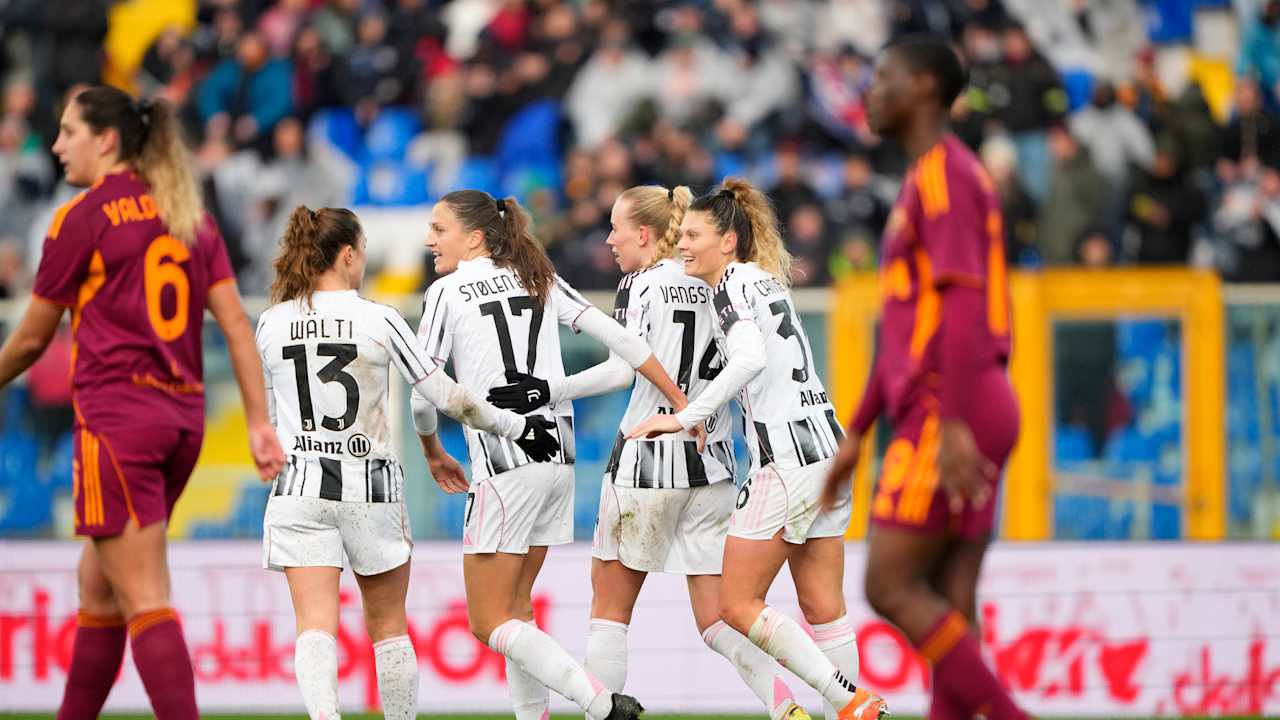
Because, really, when you’ve seen two clubs face off three times for silverware in a single season, the shine comes off the ‘novelty’ quick, doesn’t it? Juventus, the Old Lady, has already gotten the better of the Giallorosse twice this year—a 3-2 scalp in the Serie A Women’s Cup and a tight 2-1 decision in the Super Cup. So, this final isn’t just for another piece of silver. It’s for psychological dominion, for solidifying a dynasty, or, from Roma’s side, finally shattering that infuriating ceiling.
It’s an almost clinical efficiency Juventus shows when a cup is on the line. They’ve clinched four Italian Cups already. Could make it five, joining Torres as the only teams to hit that number this millennium. That’s a habit, not a coincidence. Over the last eight seasons, these two clubs have played in an astonishing 22 major finals between them—Juventus with 12, Roma with 10. That’s an iron grip on Italian women’s football that has no equal, according to FIGC league historical archives. And you don’t get to that point by chance, by sheer luck. You get there by deep-pocketed investment — and a ruthless winning mentality.
Roma, meanwhile, hasn’t given up, not for a minute. They’ve found the net 40 times against Juventus across all competitions, a mark ten goals higher than any other opponent has managed against the Bianconere. It proves they can hurt Juve, can punch above their weight even when the scales seem tipped. They’re on a 15-match scoring streak. Manuela Giugliano and Evelyne Viens—the Roman sharp-shooters, five goals each against Juve—they’re the kind of players who don’t care about past defeats. They’re here to play.
“The trajectory of women’s football in Italy is about more than just the trophies. It’s about building a national sporting identity that commands global respect,” remarked Elena Rossi, Italy’s Undersecretary for Sport, in a recent interview. “These matches, especially with the historic rivalry between Turin and Rome, project an image of strength and professionalism that resonates far beyond our borders.” She’s not wrong. It’s part of Italy’s soft power, a testament to what investment — and cultural shift can achieve. But will it translate into a Roma win? That’s the million-dollar question, isn’t it?
But the business of winning, for clubs like these, now reaches audiences far — and wide. Picture the burgeoning fanbase. And yes, that includes corners of South Asia—like Pakistan—where football’s growing appeal, particularly women’s sports, starts to chip away at older cultural narratives. Live streams, international broadcasts; these aren’t just domestic Italian affairs anymore. These matches serve as blueprints, or perhaps aspirations, for leagues attempting to take root in challenging environments abroad.
Consider the raw stats. Barbara Bonansea, the Juve legend, is now their all-time top appearance maker at 242. Eight goals she’s got against Roma alone, just trailing Cristiana Girelli’s 12. And the foreign contingent, Vangsgaard and Thomas—both on 16 goals for Juventus—they’re right up there, battling Eniola Aluko’s fourth spot. Mathilde Harviken is closing in on 50 appearances for the Bianconere. These aren’t just names. They’re valuable assets. And every goal, every assist, every clean sheet adds to their value, strengthens the brand. It’s a familiar tune in modern football’s big leagues, whether it’s men or women on the pitch.
“There’s an immense pressure on us to deliver. It’s not just about winning; it’s about maintaining a standard, a legacy,” stated Paolo Esposito, Roma’s Sporting Director, reflecting on their formidable opposition. “Every season, we push harder. We invest in talent, in infrastructure. Because eventually, the tide has to turn.” A diplomat he’s not, but you can’t fault the ambition. They’re trying to build their own legacy, their own commercial empire, brick by bloody brick.
Amalie Vangsgaard and Lindsey Thomas, having scored against Roma in previous cup finals this season, carry the expectations of the Turin faithful. Estela Carbonell, Juventus’s young defensive sensation, is another one to watch—the youngest defender in Serie A with at least two goals and two assists. Her contribution is often unseen, but don’t for a second think it’s insignificant.
What This Means
This match isn’t just about a trophy; it’s a microcosm of the rapidly evolving landscape of women’s professional sports. The sheer dominance of Juventus signals a deepening commercialization, where early investment and strategic planning create an almost insurmountable advantage. For Roma, challenging this means not just talent acquisition, but a holistic development strategy—from youth academies to aggressive marketing—to truly contend with the established elite. The outcome will inform future investment decisions across Italy’s sporting establishment. the increasing visibility of such high-stakes matches internationally—fueled by improved broadcasting and digital access—serves a broader purpose. It subtly reinforces Europe’s cultural soft power, attracting global viewership and potentially inspiring similar grassroots movements or professional league formations in nascent football markets, even those culturally distinct like many in the Muslim world, where sports often serve as platforms for societal evolution and female empowerment. This final is more than a game. It’s a statement about where the money is, where the talent converges, and how national leagues aim to position themselves on the global stage. It’s a battle for bragging rights, sure, but also for market dominance — and the soul of the sport itself.