

Trump’s Meet the Press Meltdown: More Stagecraft Than Substance?
POLICY WIRE — Washington D.C., USA — Another Sunday, another broadcast television skirmish framed as news. But this time, the former President didn’t just walk out of the camera’s eye; he...

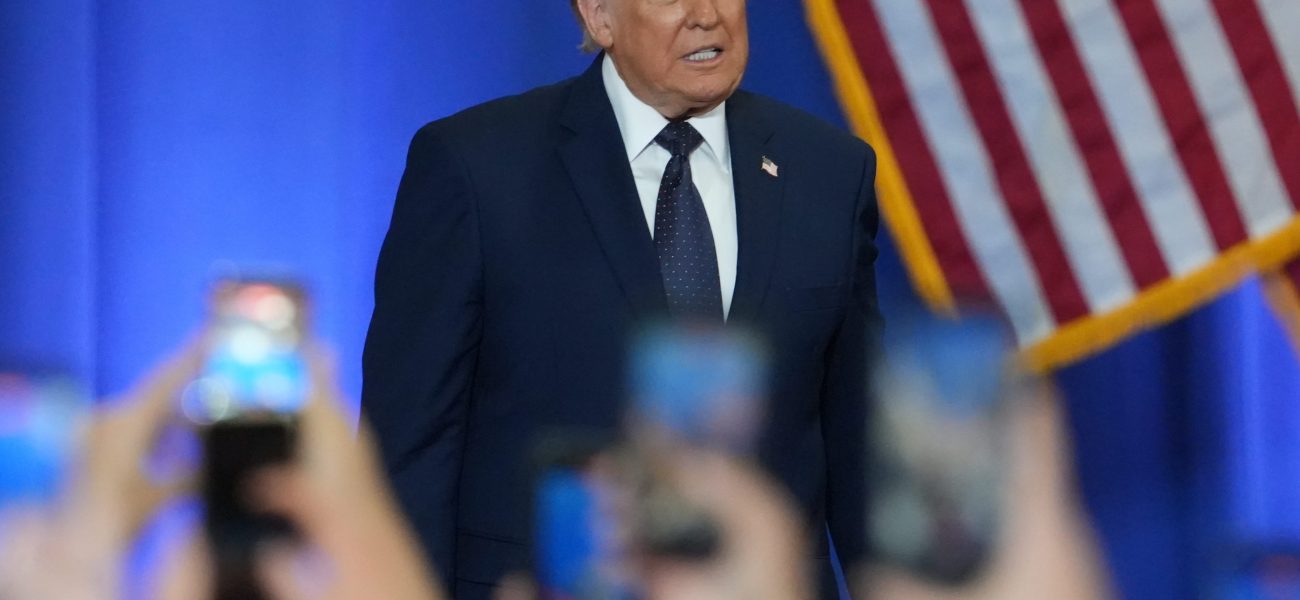
POLICY WIRE — Washington D.C., USA — Another Sunday, another broadcast television skirmish framed as news. But this time, the former President didn’t just walk out of the camera’s eye; he stomped right over the entire fourth wall of televised political discourse, leaving a wake of pundits — and perhaps some viewers — wondering if we’d just watched a candid moment or another expertly choreographed act.
It’s getting to be a familiar rhythm. A high-stakes interview, a journalist armed with facts — and difficult questions, and then, the inevitable friction. But his recent departure from a contentious ‘Meet the Press’ conversation wasn’t just a candidate cutting an interview short. No, this felt different. It was an on-camera declaration of independence from traditional media strictures, a raw assertion of control, played out for an audience well-acquainted with political reality television. And, honestly, who’s surprised?
Sources close to the campaign, who declined to be named given the sensitive nature of discussing internal strategy (you know how these things go), say it’s a deliberate strategy. Starve the opposition of clean soundbites, disrupt the news cycle, and reinforce the narrative that mainstream media is a hostile territory, always gunning for him. And it seems to work. A recent Pew Research Center study showed that trust in national news organizations among Republicans has plummeted to a mere 14%—a stark decline that rhetoric labeling vast swathes of journalism as ‘fake news’ has certainly fueled. That’s a pretty low bar, don’t you think?
The incident wasn’t an isolated event; it’s a chapter in a much longer book, one that describes a calculated erosion of the customary give-and-take between politicians and the press. Donald Trump, never one for pleasantries, has spent years refining this adversarial posture. He simply doesn’t play by the old rules, or if he does, he’s just waiting for the referee to look away so he can kick you in the shins. It’s effective for his base, that’s for sure.
“They just don’t get it, do they? The failing networks, the dishonest media,” the former President is often heard to exclaim, whether in private or shouted from a podium. “People are sick of their narratives. My numbers, they’re better than ever, — and I’m not here to play their little games. They want drama, I give ’em drama, and then I win.” This, from a man who mastered the art of spectacle long before he entered politics. It’s a compelling argument, if you buy into the premise that everything’s a performance.
And because the theatrics work, why wouldn’t he repeat them? It plays perfectly to a segment of the electorate that feels marginalized by—and inherently distrustful of—traditional institutions, including the press. This isn’t just about avoiding a tough question; it’s about casting doubt on the legitimacy of the questioner itself.
📄 POLICY WIRE WHITEPAPER PUBLISHED: PAKISTAN'S NATIONAL SECURITY POLICY PRIORITIES
👉 READ BY CLICKING HEREPolitical strategist Dr. Evelyn Hayes, an often-cited voice on network news, weighed in, observing, “It’s an established playbook, isn’t it? Control the message by controlling the narrative of the interaction itself. It’s less about the questions — and more about the performative defiance. And it works for his base, every single time.” She’s got a point. You rarely see this strategy backfire with his core supporters.
This performative defiance isn’t exclusively American, either. Think about the press conferences in Islamabad or the spirited debates in Dhaka’s political circles. Public figures across the Muslim world and South Asia, from firebrand clerics to seasoned politicians, often engage in similar forms of media jousting. They challenge narratives, accuse news outlets of bias, or walk away from inconvenient lines of questioning, leveraging public sentiment against a perceived ‘hostile’ media. It’s a global tactic, especially when public opinion is delicate and the stakes are stratospheric. It underscores a global pattern of leadership seeking to shape — or simply escape — inconvenient public scrutiny.
What This Means
The theatrical walk-off serves multiple functions. Politically, it galvanizes his base, solidifying their belief that the ‘establishment media’ is biased against their champion. For moderates or undecided voters, it might be off-putting, a sign of instability or impatience, but that risk appears calculated. It suggests he’s unwilling to engage on terms dictated by anyone but himself. Economically, this media friction means fewer conventional, deep-dive interviews where policy can be discussed. Instead, we get soundbites, controversy, and a greater reliance on social media and curated events for political messaging. It effectively bypasses the traditional filters, creating a direct, if volatile, line to his supporters. We’re seeing a fundamental reshaping of how power interacts with information. The world is watching these media interactions, discerning different signals about American stability and norms.
It’s not just a rejection of an interview; it’s a rejection of a specific democratic ritual, one where power is held accountable by the fourth estate. When a leading political figure consistently opts out of — or actively derails — these interactions, it begs the question: What’s left of the democratic conversation? For those paying attention, it’s a stark indicator of where media relations are headed in the future—and it isn’t towards calm, reasoned debate. Not usually, anyway.