


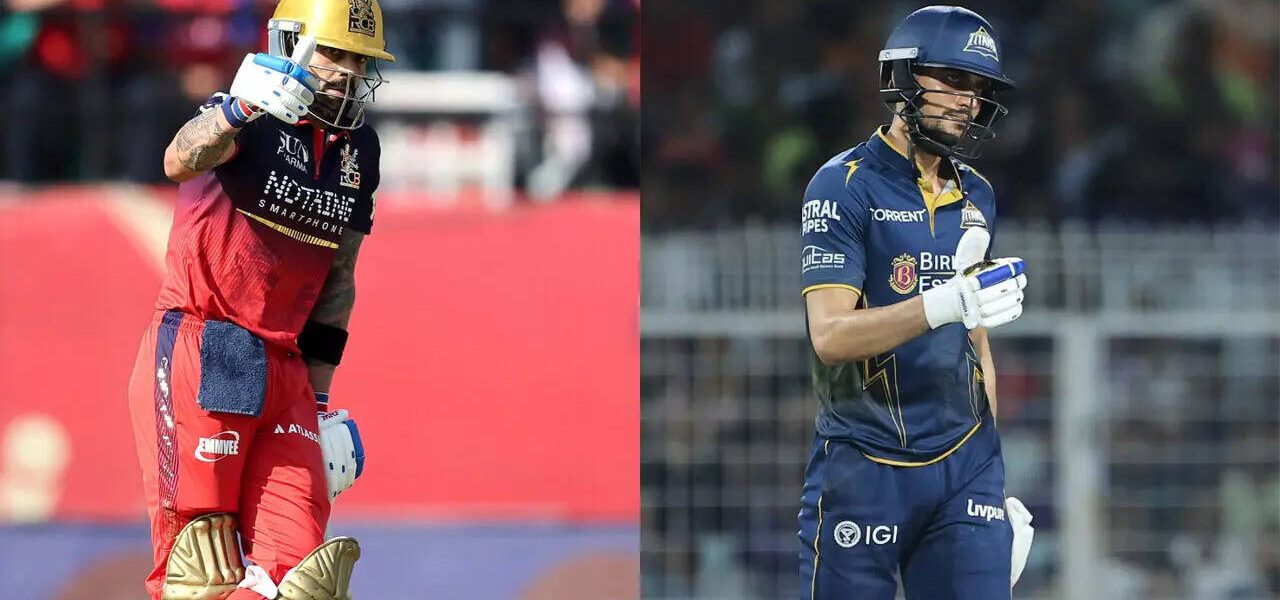
IPL Playoffs 2026: The Billion-Dollar Gauntlet Begins Amidst Subcontinental Fever
POLICY WIRE — New Delhi, India — Forget the predictable headlines, the clinical charts detailing team strengths, or the meticulous schedule breakdown. When the Indian Premier League playoffs ignite,...

POLICY WIRE — New Delhi, India — Forget the predictable headlines, the clinical charts detailing team strengths, or the meticulous schedule breakdown. When the Indian Premier League playoffs ignite, it’s not just about cricket. It’s a multi-billion-dollar pressure cooker, a high-stakes cultural phenomenon where corporate titans clash, and a nation holds its breath—all while millions across the broader subcontinent tune in, caught in its electrifying orbit. This isn’t just sport; it’s theater, raw — and relentless.
After a relentless league stage—a grueling marathon of athleticism and brute capital—four franchises emerged from the fray, battered but financially buoyant, to enter what’s truly a gladiatorial arena. Royal Challengers Bengaluru (RCB), Sunrisers Hyderabad (SRH), Gujarat Titans (GT), and Rajasthan Royals (RR) have carved their path to the decisive encounters. The final playoff berth, clinched by the Rajasthan Royals in a last-gasp triumph against Mumbai Indians, offered a glimpse into the relentless drama, the kind that separates mere league standings from legend. And you’d better believe the architects of this spectacle don’t miss a beat, extracting every drop of commercial juice.
This tournament isn’t just selling cricket; it’s selling dreams, regional pride, and the fleeting promise of glory to an audience so vast it boggles the mind. The broadcast rights alone are an obscene testament to its pulling power, but the ecosystem supporting it—advertising, merchandising, fantasy leagues—that’s where the real money flows. According to Deloitte’s 2025 Sports Industry report, the IPL’s economic impact on India is projected to exceed $15 billion this year, a staggering figure that underlines its unprecedented commercial prowess. It’s an economy unto itself, frankly.
“The IPL playoffs aren’t just cricket matches; they’re economic events on a scale that few global sports leagues can match,” explained Ravi Shankar Prasad, former Union Minister and an avid follower of the sport, in a recent private discussion. “The excitement isn’t confined to team loyalties; it’s about what this event represents for India’s brand on the world stage—a spectacle of entrepreneurial drive, digital innovation, and sheer national obsession. That’s why the pressure to deliver a captivating narrative, one with twists — and turns, is immense. It’s almost a civic duty for these teams.”
The roadmap to the trophy is unforgiving. First up, the clash of titans: Qualifier 1, pitting defending champions Royal Challengers Bengaluru against Gujarat Titans. They’ll face off Tuesday, May 26, at 7:30 PM IST, in the picturesque yet politically significant Himachal Pradesh Cricket Association Stadium in Dharamsala. The winner punches their ticket straight to the final. The loser? They get a reprieve, a second bite at the apple in Qualifier 2. It’s an arrangement designed for maximum tension, extracting every last ounce of competitive zeal.
But there’s no such luxury in the Eliminator. Sunrisers Hyderabad square off against Rajasthan Royals on Wednesday, May 27, at 7:30 PM IST, at the Maharaja Yadavindra Singh International Cricket Stadium in Mullanpur, New Chandigarh. Lose that one, and you’re packing your bags—season over. No second chances. It’s pure, unadulterated high-stakes poker, — and the crowd loves it, every nerve-wracking moment.
📄 POLICY WIRE WHITEPAPER PUBLISHED: PAKISTAN'S NATIONAL SECURITY POLICY PRIORITIES
👉 READ BY CLICKING HERE“These games define legacies, not just for the players but for entire regions, their investors, and the cultural cachet they build,” asserted Ms. Priya Sharma, a noted sports economist, acknowledging the league’s expansive reach. “Winning means a surge in brand valuation, greater appeal for sponsorships, and bragging rights that resonate across demographics. We’re talking about massive investments, not just on the field, but off it—it’s why they fight for every single run, every single wicket. Failure isn’t an option, especially when a nation’s hopes—and millions in revenue—are on the line.”
And because these narratives sell, the subsequent Qualifier 2 on May 29—between the Eliminator winner and Qualifier 1 loser—also takes place in New Chandigarh, leading up to the grand finale on May 31 at the colossus that’s the Narendra Modi Stadium in Ahmedabad. That’s where champions are forged, fortunes decided, and a staggering viewership, not just in India but across South Asia and the broader Muslim world, witnesses the unfolding drama.
What This Means
The IPL playoffs aren’t merely a series of cricket matches; they’re a critical barometer of India’s soft power and economic vibrancy, played out on a global stage. The choice of Dharamsala, a locale deeply symbolic for its connection to Tibetan spiritual leadership and thus geopolitically sensitive, and Ahmedabad, named after India’s current Prime Minister, is never accidental. It suggests a subtle layering of political messaging underneath the sporting spectacle. For India, it’s a moment to project stability, dynamism, and an ability to host events of immense scale and complexity, a testament to its rising international stature. The sheer number of eyeballs glued to these screens from Karachi to Dhaka, despite political frictions, proves its undeniable cultural currency—a shared passion often overlooked by diplomats. the outcome impacts not just team owners but ancillary industries, employment figures, and even local tourism in host cities. This isn’t just a sports league; it’s an integrated ecosystem, heavily influencing perceptions both domestically and internationally. Think of it as a saga of sports, economics, and national identity, rolled into one explosive package.