
Starmer’s Statecraft: Beyond Ukraine Aid, a Bid for Global Gravitas
POLICY WIRE — London, UK — Nobody in political circles actually believes high-level summits are just about the official agenda. No, they’re always a multi-layered affair, a performance, an...

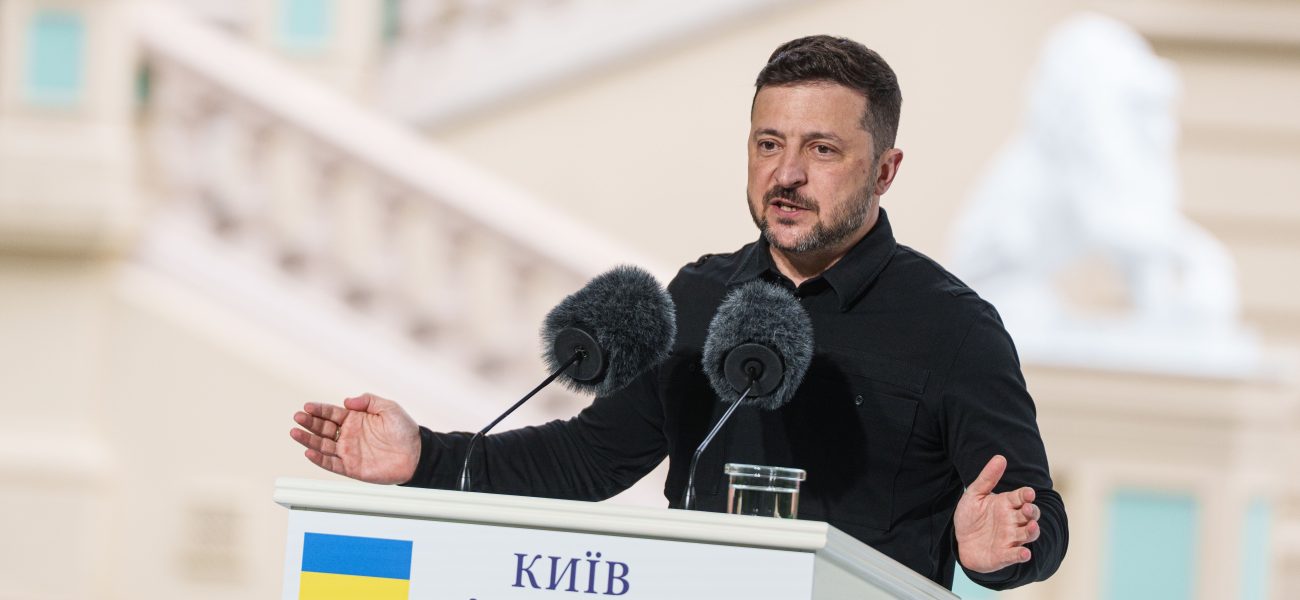
POLICY WIRE — London, UK — Nobody in political circles actually believes high-level summits are just about the official agenda. No, they’re always a multi-layered affair, a performance, an audition. When Keir Starmer, Britain’s presumptive next Prime Minister, recently gathered Volodymyr Zelenskyy, Emmanuel Macron, and Friedrich Merz under the same roof, the script was straightforward: firm, unyielding support for Ukraine. But the real show? That was Starmer—and Britain—positioning itself, loud and clear, for a starring role in Europe’s messy, shifting geopolitics.
It wasn’t merely a polite catch-up. This was a carefully orchestrated power play, especially for a Labour Party that’s been largely out of power for fourteen years. Here’s Starmer, hosting the Ukrainian president, the French president—a notoriously complex character, Macron—and Germany’s opposition leader, Merz, essentially offering a glimpse into what a Labour-led Britain might look like on the global stage. It’s assertive, certainly, but also laden with a subtext that whispers: “We’re back, Europe, and we mean business, regardless of who’s in Downing Street right now.”
Macron, ever the grand strategist, doesn’t just turn up for tea — and biscuits. He arrived, surely, with his own set of objectives. He’s always pushing for stronger European strategic autonomy, a concept that often, let’s be honest, puts a Gallic flair on France’s leadership aspirations. And while he’s played a tricky hand with Moscow at times—remember the early phone calls to Putin?—he’s also been firm on European unity against aggression. So, when Macron asserted, “Europe’s collective security depends on facing threats with absolute unity, no equivocation. Every nation plays a part, and the UK, always a friend, remains fundamental,” you sense a very deliberate emphasis on shared destiny, not just bilateral chats.
Starmer’s message, meanwhile, aimed to project an image of steadfast British commitment, unwavering irrespective of the parliamentary majority come the next general election. “Britain’s resolve for Ukraine isn’t about political cycles; it’s etched into our national character,” Starmer declared, likely looking past the immediate guests to a domestic audience and jittery international partners. “We won’t waver. Our commitment transcends party lines.” This kind of messaging is crucial, aiming to dispel any notions that a change in UK government might mean a wobble in support for Kyiv.
The sheer symbolism of Kyiv’s wartime leader shaking hands across the table with potential future heads of state wasn’t lost on anyone. It legitimizes, it solidifies. It puts a gloss on a narrative of unwavering Western resolve—even if that resolve sometimes looks a little tattered around the edges when viewed from countries like Pakistan, grappling with global economic tremors and food inflation exacerbated by faraway conflicts. Many in South Asia observe European solidarity with a pragmatic eye, aware that such focus on one conflict can divert attention and resources from pressing issues elsewhere, creating ripple effects from Lahore to Dhaka.
Because the war in Ukraine, let’s be clear, isn’t just about Ukraine anymore. It’s a test of the existing world order. It’s about energy prices, supply chain disruptions—remember how the price of wheat shot up, hammering economies in nations that rely heavily on imports? That global interdependence means this London huddle resonates far beyond European capitals. As of early 2024, the UK has pledged over £12 billion in overall support to Ukraine, a figure that includes both military and humanitarian aid, according to official government data. That’s a hefty sum, — and it speaks volumes about perceived national interest.
📄 POLICY WIRE WHITEPAPER PUBLISHED: PAKISTAN'S NATIONAL SECURITY POLICY PRIORITIES
👉 READ BY CLICKING HEREWhat This Means
This meeting was a dress rehearsal, plain — and simple. For Starmer, it’s an undeniable opportunity to signal competence and a steady hand on foreign policy, traits he absolutely needs to cement ahead of an election many expect next year. It paints him as a serious statesman, ready to step onto the world stage from day one. He’s telling voters he’s already got the relationships, he’s already part of the big-boy conversation. And, you know, this matters to financial markets, too, providing some stability messaging. This helps solidify the international perception of continued UK involvement in European security matters, even post-Brexit. He’s trying to show Britain as a serious, constructive player—not a grumpy divorcé—even if that position comes with fresh geopolitical calculations.
Economically, persistent and united support for Ukraine is intended to project stability, aiming to temper energy price volatility and secure critical supply lines, ultimately benefiting global trade. For the EU, such concerted engagement with Britain—even under a potential future Labour government—signals a quiet readiness to re-engage, however cautiously. It reflects a mutual acknowledgement that collective security requires cooperation, regardless of previous political estrangements. There’s a quiet realism at play, a recognition that the security landscape demands collaboration—or else everyone suffers the consequences. For the wider international community, especially nations outside the immediate European orbit, this kind of unified front—or the appearance of one—is always scrutinised for its consistency and its long-term implications. These things have a funny way of impacting decisions about investment and strategic alignments across the globe, from Riyadh to Kuala Lumpur. Consider, for instance, how Europe’s ongoing energy reshuffle impacts emerging economies—it’s not just a continental problem; it’s a global headache, influencing everything from European transfer dynamics to broader industrial policy. Such a critical moment in time, then, necessitates robust, if somewhat performative, demonstrations of unity.