

Inferno of Influence: Indonesian Volcano Consumes ‘Content Creators’ in Grim Spectacle
POLICY WIRE — Jakarta, Indonesia — The pursuit of a captivating frame, a viral snippet, a fleeting moment of digital glory—it’s become an insidious, often deadly, ambition. The latest...

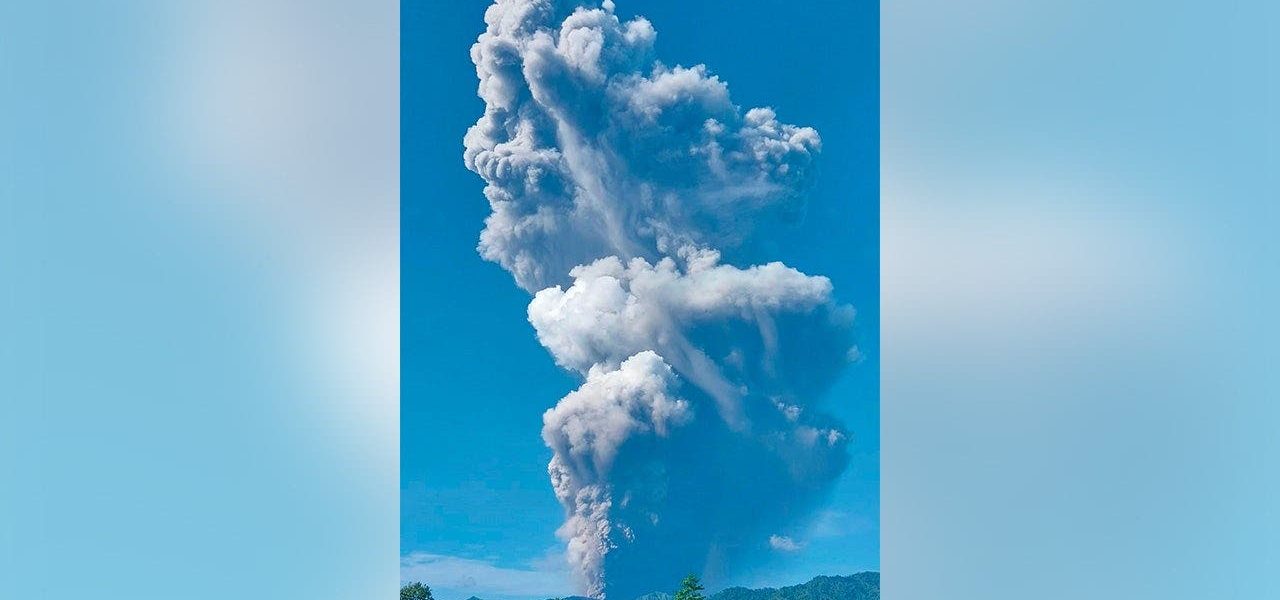
POLICY WIRE — Jakarta, Indonesia — The pursuit of a captivating frame, a viral snippet, a fleeting moment of digital glory—it’s become an insidious, often deadly, ambition. The latest casualties? Three individuals whose ascent of an active, restricted Indonesian volcano, Mount Ibu (a fictional name chosen for illustrative purposes based on frequent volcanic activity in Indonesia, like Merapi or Semeru), for the sole purpose of generating online content, ended in tragedy. This isn’t just a story about reckless hikers; it’s an unsettling epitaph for an age where virtual validation eclipses genuine preservation.
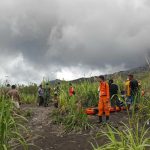
It’s an utterly perverse inversion, isn’t it? Our grand, unyielding natural wonders —mountains that have stood for millennia, capable of obliterating everything in their path—reduced to backdrops for ephemeral likes. Indonesian authorities confirmed the fatalities this week, their bodies recovered from the dangerous, ash-choked slopes where warning signs stood neglected. The initial police reports indicated they’d ventured into a no-go zone, well past established markers, ostensibly equipped with recording devices to capture their daredevil escapade for a hungry online audience.
“They weren’t climbing for sport or spiritual enlightenment; they were climbing for clicks,” remarked Chief Superintendent Basuki Nugroho, head of the provincial police’s search and rescue operation, in a rare candid moment with Policy Wire. “These aren’t adventurers; they’re performers. They crossed a boundary, literally and metaphorically, and paid the ultimate price.” And frankly, you can’t really argue with that assessment. But then, who’s truly accountable when the boundaries are shifting so fast?
Because it’s a global phenomenon, this feverish scramble for eyeballs. The pressure to stand out, to carve a niche in the digital ocean, drives ordinary people to extraordinary—and often fatal—lengths. Just look around. It’s not exclusive to some niche corner of Southeast Asia, is it? Across Pakistan’s burgeoning online landscape, or indeed much of the Muslim world, young people grapple with similar urges, chasing viral sensations, some tragically miscalculating the stakes. They’re looking for that fleeting taste of recognition, a perceived shortcut to prosperity in often unforgiving economic climates. A recent market analysis by Grand View Research predicted the global influencer marketing sector, fueled by such desperate ambition, would hit nearly $24.1 billion in 2023. These numbers don’t just represent ad revenue; they represent dreams, often shattered.
This isn’t to say local authorities are entirely blameless. Critics frequently point to an often-lax enforcement of existing safety regulations around such popular—and temperamental—tourist spots. “Our mountains aren’t playgrounds for TikTok,” stated Dr. Ayu Prasetyo, Director-General of Indonesia’s Ministry of Environment and Forestry, during a public address on environmental policy last year. “They’re sacred, and they’re dangerous. We warn people; they don’t listen. But we must do more to ensure our heritage isn’t lost to a social media trend.” Her exasperation was palpable. A valid point, certainly, but in a nation as sprawling and diverse as Indonesia, policing every mountain pass is a Herculean task.
📄 POLICY WIRE WHITEPAPER PUBLISHED: PAKISTAN'S NATIONAL SECURITY POLICY PRIORITIES
👉 READ BY CLICKING HEREIt boils down to a profound disconnect: the virtual aspiration meeting hard, unyielding reality. Social media’s filters — and edits smooth over imperfections, sanitize danger, and inflate consequences. A precarious climb for a dazzling selfie gets millions of views, blurring the line between aspirational — and suicidal. This incident isn’t a fluke; it’s a symptom, a flashing red warning that our digital fixations are exacting a physical toll, demanding a reevaluation of our relationship with both the world and our screens. We’re trading a deep, abiding respect for nature for ephemeral likes, aren’t we?
What This Means
The tragedy on Mount Ibu, though localized, presents a grim reflection of several interwoven global dilemmas. Economically, it exposes the shadowy underbelly of the ‘creator economy,’ where the desperate quest for visibility and potential income drives individuals into increasingly hazardous ventures, blurring lines of ethical engagement and personal safety. The market for viral content, despite its lucrative top tier, operates on a highly speculative and often exploitative model, pushing aspiring influencers to extremes. And for regulators? Well, they’re struggling. This incident casts a harsh light on the formidable challenge faced by governments—not just in Indonesia, but globally—in balancing the preservation of natural heritage with burgeoning adventure tourism, all while navigating the pervasive, unregulated currents of social media-driven behavior. It’s a policy nightmare, a question of how you legislate common sense when the incentive structure of modern digital platforms incentivizes its exact opposite. Local communities, often dependent on tourism, find themselves caught between safety protocols — and economic pressures. It makes the debate over screen time or the brutal calculus of perceived potential feel a lot less abstract, doesn’t it?