

Ash and Irony: Indonesia’s Fickle Peaks Demand a Reckoning
POLICY WIRE — Padang, Indonesia — Sometimes, the siren song of the summit, that raw human ambition to stand atop the world, is nothing short of a death wish. Especially when ‘the world’...

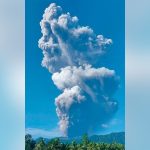
POLICY WIRE — Padang, Indonesia — Sometimes, the siren song of the summit, that raw human ambition to stand atop the world, is nothing short of a death wish. Especially when ‘the world’ in question is Mount Marapi, a known, brooding sentinel on Sumatra, spitting ash with alarming nonchalance. Because even with all our sophisticated tracking, all our technological wizardry, humanity still gets caught unawares, staring into the maw of nature’s untamed power. This time, that costly lesson arrived coated in volcanic ash and pumice, claiming at least three lives, police confirmed.
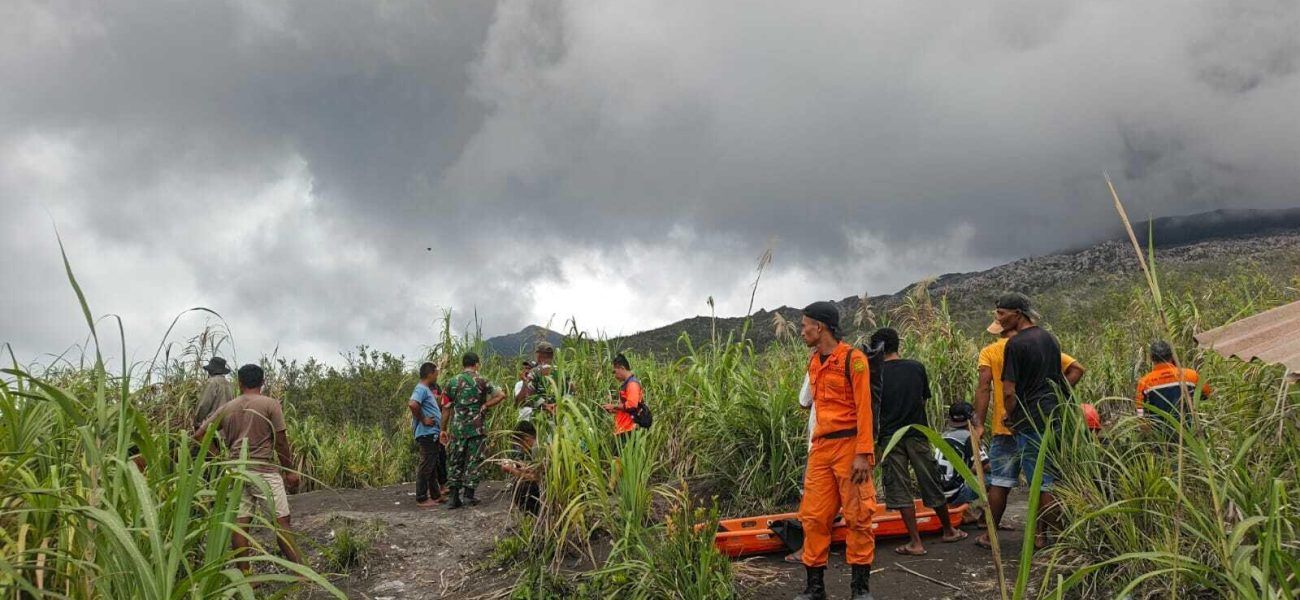
It wasn’t a sneak attack, not really. Marapi, like so many of Indonesia’s geologically active landmarks, wears its volatile temperament on its sleeve. People just tend to ignore the warnings, don’t they? Young trekkers, brimming with that infectious wanderlust, found themselves trapped Sunday as the mountain belched plumes stretching thousands of feet into the sky. And now, the grim tally grows, search and rescue teams sifting through a landscape scorched and scarred, a macabre ballet of determination against impossible odds. The sheer number of active volcanoes in Indonesia, estimated at around 130 by the national geological agency, makes it a poster child for living on the edge—literally.
“Our hearts are broken, truly, for these young lives lost,” stated West Sumatra Governor Mahyeldi Ansharullah, his voice a somber broadcast echo. “But the mountain, she doesn’t negotiate. She demands respect, — and sometimes, even that isn’t enough when her temper flares. We’ve got to balance economic opportunity, particularly tourism, with an unyielding commitment to safety. It’s a calculus we’re always recalculating.” You could almost hear the fatigue in his words; it’s a cycle these officials know all too well.
Rescue workers faced their own terrifying gambits, navigating slick ash and potential further eruptions just to reach the stranded. Locals, many of whom regard Marapi with a mix of awe and familial reverence, watched with stoicism—a community once again counting their dead against the backdrop of their majestic, deadly home. The local government has halted all climbing activities, an order that seems glaringly obvious now, doesn’t it? Yet, “life finds a way,” — and adventurers, they’ll always push boundaries.
This isn’t just an Indonesian problem. This delicate dance with disaster plays out across much of the Muslim world and broader South Asia, regions frequently wrestling with geological whims and climate shocks. From Pakistan’s earthquake-prone belts to Bangladesh’s annual deluge, preparedness often feels like trying to build a sandcastle against the tide. Indonesia, as the world’s most populous Muslim-majority nation, carries a particular weight, its experiences often mirroring those of its neighbors in resilience, innovation, and, tragically, loss. They’re learning hard lessons, repeatedly.
“Our focus remains on retrieval and immediate relief, but the larger conversation about human settlement patterns and public education around risk simply can’t wait,” commented Dr. Budi Santoso, a spokesperson for the National Disaster Management Agency (BNPB). “The planet is changing. We don’t get to pretend these events are isolated incidents anymore. There’s a systemic failure to grasp the cumulative danger inherent in some of these beautiful, but extremely hazardous, landscapes.” He’s not wrong. It’s not just a mountain; it’s a barometer for our collective complacency.
📄 POLICY WIRE WHITEPAPER PUBLISHED: PAKISTAN'S NATIONAL SECURITY POLICY PRIORITIES
👉 READ BY CLICKING HEREWhat This Means
Politically, these tragedies force a re-evaluation of provincial tourism policies, especially where natural wonders double as natural dangers. Local leaders, already balancing resource extraction with conservation efforts, find their mandates complicated by preventable deaths. There’s intense pressure to show effective response and tightened regulations, but also to maintain economic lifelines tied to adventure tourism. It’s a tough tightrope walk.
Economically, the immediate impact on guides, porters, and small businesses reliant on tourist traffic is instant and brutal. But longer-term, if events like Marapi’s recent display erode confidence in regional safety, the blow could be considerable. International travelers, fickle at the best of times, don’t just want breathtaking views; they want guarantees, a sense of security, which mountains like Marapi don’t offer in abundance. But how do you quantify the cost of a view? And how much is a life worth? These aren’t simple questions, not by a long shot.
And from a broader policy perspective, the eruption underscores the global dilemma of resource management and disaster preparedness in a rapidly urbanizing, climate-challenged world. Every puff of smoke, every rumble from below, is a reminder that some forces still humble us, no matter our supposed progress.