


India’s Billion Dollars Mistake: How Operation Bunyan um Marsoos Exposed the S-400 Myth
During Operation Bunyan um Marsoos, Pakistan destroyed India’s S-400 air defence systems, one of the biggest blows to India’s military image in recent times. This event didn’t just damage India’s...

During Operation Bunyan um Marsoos, Pakistan destroyed India’s S-400 air defence systems, one of the biggest blows to India’s military image in recent times. This event didn’t just damage India’s defence capabilities; it changed the power balance in South Asia, where both countries are nuclear powers living under the dangerous reality of Mutually Assured Destruction (MAD). The destruction of these Russian-made systems, bought at an enormous price and advertised as “game-changers,” revealed the serious flaws in India’s military planning. At the same time, it showed that Pakistan could carry out high-level strikes without crossing the nuclear red line.
India spent around $5.5 billion on the S-400 Triumph systems. These were supposed to make India untouchable by detecting and stopping any threats from the air, whether planes, drones, or missiles. Indian officials believed the S-400 would give them an advantage over Pakistan and make their air defence unbeatable. However, in one night, Pakistan’s JF-17 Thunder fighter jets destroyed these systems at the Adampur and Udhampur airbases. The result was not just military damage but a complete collapse of India’s confidence in its high-tech weapons. It showed that spending big money doesn’t help if the strategy is weak.
This disaster has deep consequences. The S-400s were meant to protect India in case it tried to launch a small-scale war, believing it could avoid major retaliation. Now, with those systems gone, that idea is finished. The truth of MAD becomes clear: if either country starts a war, both will suffer hugely, possibly even face nuclear destruction. India made the mistake of thinking it could attack Pakistan and stay safe under the S-400’s protection. Pakistan’s powerful response proved otherwise.
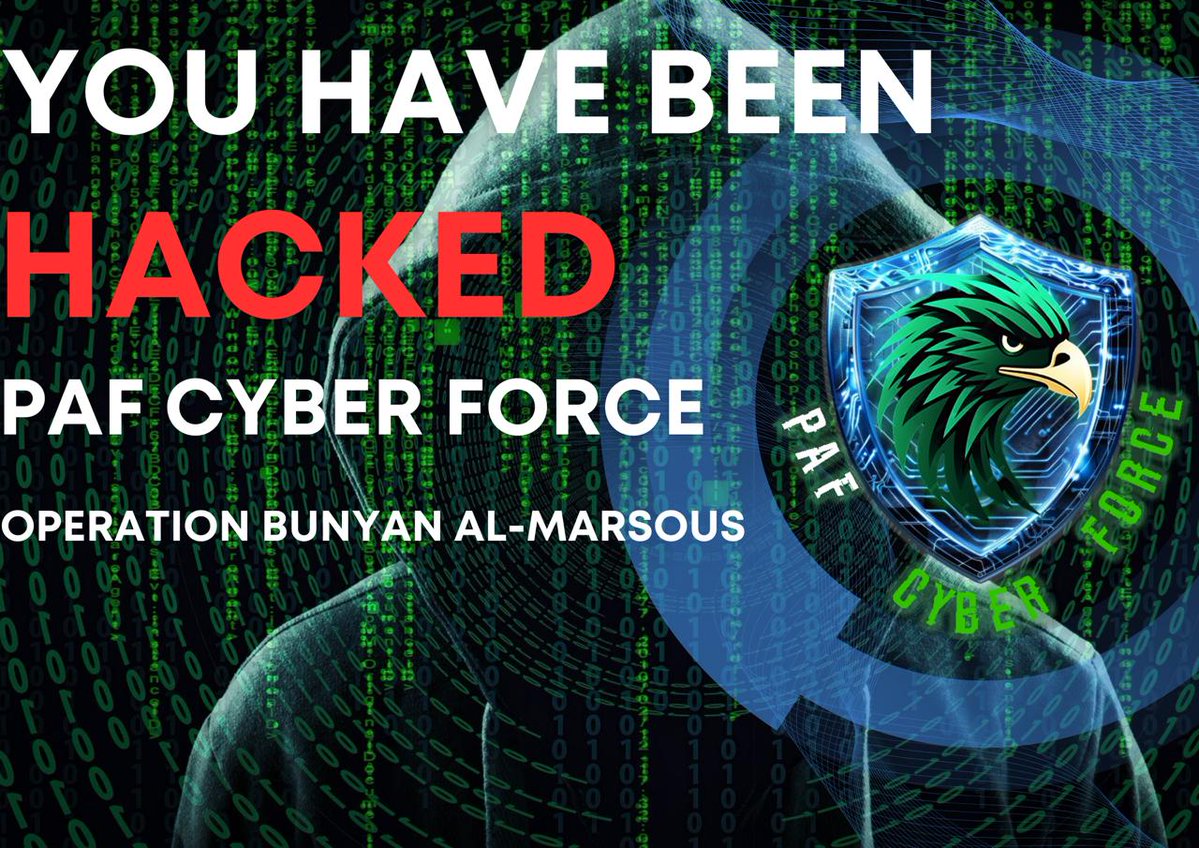
Pakistan didn’t just rely on airstrikes. It also launched cyberattacks and drone missions. These actions shut down most of northern India’s power, hacked into military networks, and carried out drone strikes deep inside Indian territory. This showed that Pakistan has advanced tools and can fight in many ways, on land, in the air, and online. These were not random attacks, they were carefully planned to show that Pakistan can weaken India without needing to use nuclear weapons right away.
Here’s the danger: when one side is beaten using normal (conventional) weapons, it may feel pressure to turn to nuclear weapons instead of admitting defeat. That’s why destroying the S-400 systems matters so much. India can no longer pretend it has a shield that makes war safe. If a war starts, it could quickly become uncontrollable.
Now, India must decide how to move forward. Will it continue acting aggressively, even after such a big failure? Or will it finally understand that its actions, like the illegal move in Kashmir and airspace violations, only lead to stronger responses from Pakistan? Pakistan has made its position clear: it wants peace, but it will not allow any threats. The destroyed S-400s are proof that Pakistan can and will respond if pushed.
📄 POLICY WIRE WHITEPAPER PUBLISHED: PAKISTAN'S NATIONAL SECURITY POLICY PRIORITIES
👉 READ BY CLICKING HEREIn a region ruled by MAD, there are no real winners, only survivors. India now faces a choice: learn from its mistakes or risk disaster again.
Author