

After the Flop: Liverpool Boots Slot Amidst Global Fan Roar
POLICY WIRE — LONDON, UK — So, it finally happened. The quiet whisper circulating the back channels of European football management just got screamed from the rooftops of Anfield. Arne Slot, a man...

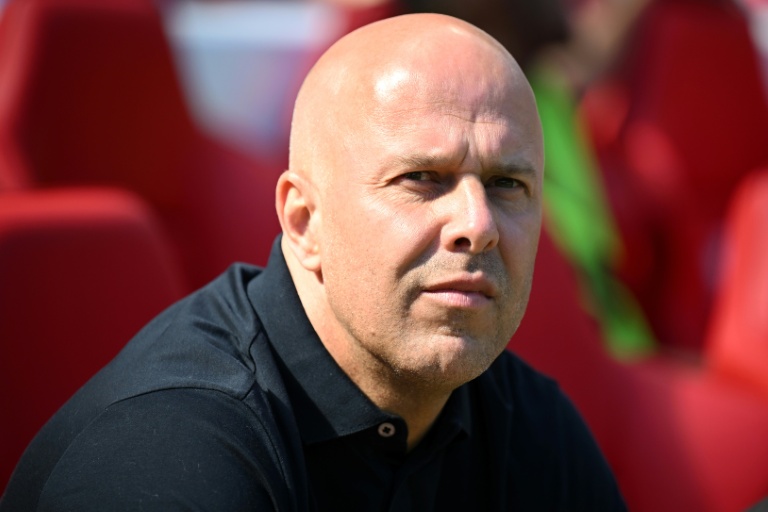
POLICY WIRE — LONDON, UK — So, it finally happened. The quiet whisper circulating the back channels of European football management just got screamed from the rooftops of Anfield. Arne Slot, a man barely settled into the dugout’s worn leather, finds himself on the business end of a rather swift organizational realignment. He’s been shown the door—after just two seasons—and while the club’s statement spun it as an amicable parting, don’t kid yourself. It was an outright sacking.
They’d won a Premier League title under his watch, yes. A decent achievement for many, but not for Liverpool, not when that shiny trophy was immediately followed by a fifth-place finish. It isn’t just about dropping out of the top four, which means a significant financial hit from the Champions League largesse. But it’s also about a brand, a global enterprise whose performance off the pitch is inextricably tied to the theatrics on it.
Because, let’s face it, the ‘disastrous defence’ of their title wasn’t just a figure of speech. They floundered. From pundits to the terraces, everyone saw it coming. The fan base, a sprawling, fervent legion from Merseyside to Manila, was restless. Talk of ‘disharmony in the dressing room’ seeped out, often amplified by those with agendas, but where there’s smoke, there’s usually a raging bonfire. Even superstar Mohamed Salah, often the stoic professional, became ‘outspoken’—a polite way of saying he voiced some serious displeasure, didn’t he?
The club’s official announcement read like a carefully worded divorce settlement, asserting Slot would ‘depart his role as head coach with immediate effect’ and that a ‘process to appoint a successor is under way.’ They called it a ‘change of direction,’ implying it was strategic, not punitive. "That doesn’t diminish the work Arne has done here, or the respect we have for him," the statement politely lied. "Nor is it a reflection of his talents. Rather, it’s indicative of the need for a different approach." It’s the sort of corporate double-speak you hear when boards have lost faith but need to maintain a veneer of civility—and avoid lawsuits.
But when you’re managing a club like Liverpool, which Forbes valued at approximately $5.28 billion in 2023, civility often takes a back seat to performance. The economics of failure, even temporary, are simply too brutal to ignore. Global brands don’t just ‘pivot’ their footballing philosophy; they adjust the personnel until the numbers look right.
Across the Arab world, through the bustling cities of Pakistan, and across South Asia, Liverpool enjoys an almost fanatical following. The sight of Mohamed Salah, a Muslim icon, in the famous red jersey isn’t just about football; it’s cultural currency. His outspoken discontent resonated differently there. And managerial changes like this send ripples beyond traditional footballing circles. "These aren’t just sporting organizations; they’re multinational entertainment conglomerates," noted Dr. Aisha Khan, a Karachi-based sports economist. "Their financial performance directly impacts merchandising, broadcast rights in burgeoning markets like Pakistan, and even the sentiment around brand partnerships in culturally significant regions. A coach’s failure isn’t just about points; it’s about potentially hundreds of millions of dollars in future revenue."
It’s this complex interplay of sporting aspiration — and hardnosed commerce that defines modern football. One bad season, particularly after tasting glory, can quickly become an existential crisis for top-tier clubs, forcing owners to make tough, often cynical, calls.
"The modern game’s impatience is relentless. One minute you’re lauded for winning, the next you’re history for not winning enough," a senior Liverpool official, who requested anonymity due to the sensitivity of the immediate fallout, told Policy Wire. "We regret it didn’t work out. But a club of our stature simply cannot accept mediocrity, no matter how much we value the individual." See? They don’t mess around.
What This Means
This swift ousting isn’t just another entry in the endless merry-go-round of Premier League management. It highlights the increasingly ruthless business model governing elite football. A season outside the Champions League is a catastrophic blow to finances—lost broadcasting revenue, diminished appeal for top-tier transfer targets, and a quantifiable impact on global brand licensing. For a club with Liverpool’s worldwide reach, particularly in fan-dense regions like the subcontinent, where passion is currency, a perceived decline isn’t just embarrassing; it’s bad for business. Because every fan, from Liverpool to Lahore, contributes to the coffers.
The decision also signals that owner Fenway Sports Group (FSG) isn’t afraid to act decisively when returns diminish, even if it means ditching a coach only two years into a project. It sets a stark precedent for Slot’s eventual successor. The honeymoon, if there ever was one, will be exceptionally short. Any dip in performance, any whiff of internal discontent—especially involving a player with Salah’s immense stature—will now be scrutinized with renewed ferocity. This isn’t just about patching up a leaky defense; it’s about safeguarding a global brand that can’t afford prolonged underperformance in a hyper-competitive, money-soaked landscape. It’s high stakes, all the time. And the job’s never done.