


Mexico’s Electric Ambition: A State-Backed Challenger Enters the Global Auto Fray
POLICY WIRE — Mexico City, Mexico — Forget what you thought you knew about automotive power plays. It used to be all about Stuttgart, Detroit, — and Tokyo. Now, suddenly, the world’s most venerable...

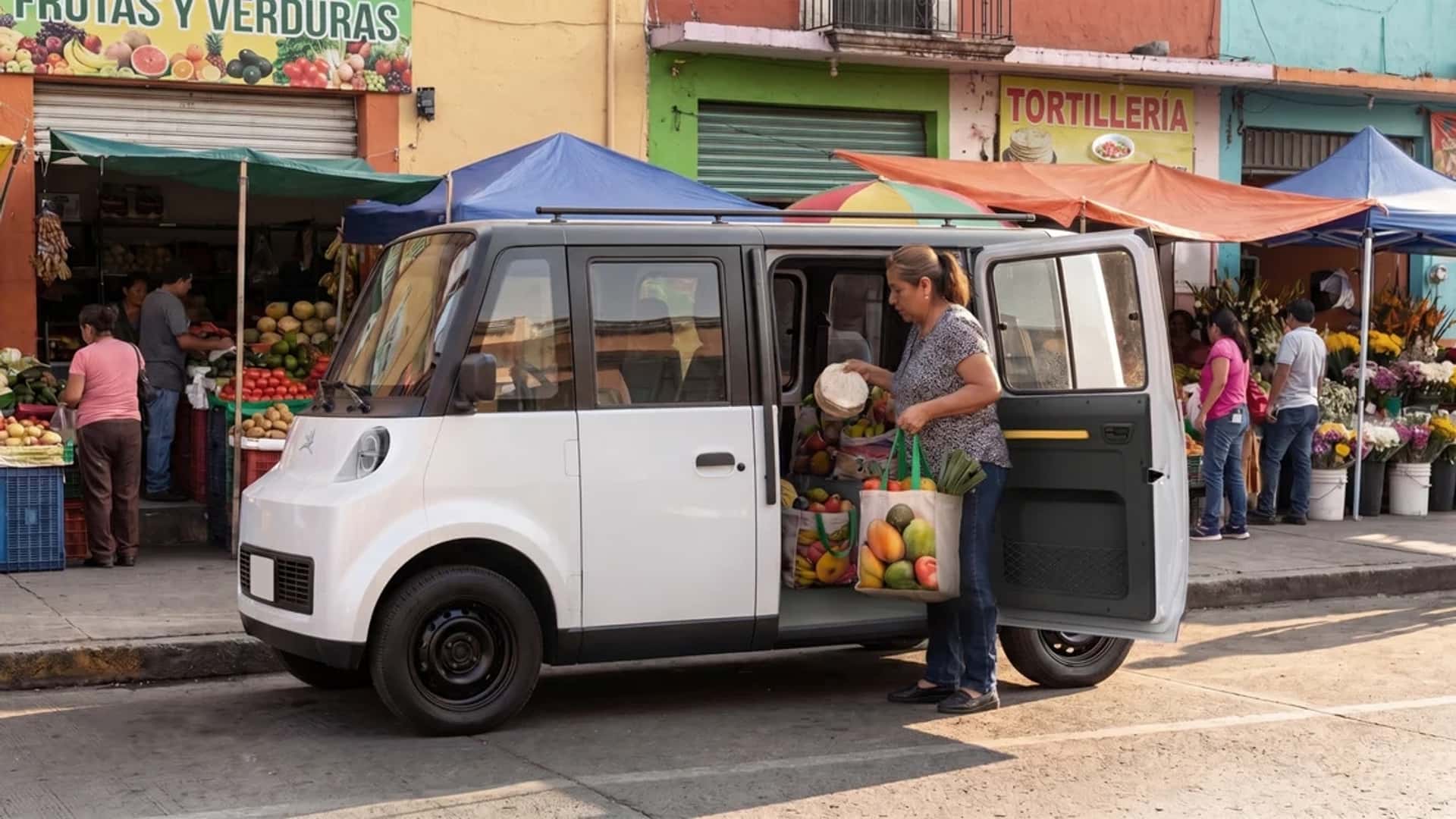
POLICY WIRE — Mexico City, Mexico — Forget what you thought you knew about automotive power plays. It used to be all about Stuttgart, Detroit, — and Tokyo. Now, suddenly, the world’s most venerable car capitals are looking a tad nervously at, of all places, Mexico. Not because of bespoke luxury vehicles, mind you, but something far more audacious: a six-seater electric vehicle—a workhorse, really—that could hit the tarmac at a price point that makes even entry-level gasoline cars look extravagant. And yes, it’s got the state’s sticky fingerprints all over it.
It’s a bold stroke, a direct challenge to the established order that spent decades convincing us that sustainable mobility had to be a luxury good. Mexico, a country often seen through the lens of manufacturing low-cost components for bigger players, isn’t just assembling; it’s attempting to engineer its own narrative. This isn’t just a car launch. It’s a geopolitical tremor, an economic declaration of intent wrapped in cheap sheet metal — and powered by ambition. Who’d have thought a price tag of $8,600 could cause such a ruckus?
This upstart EV—let’s call it the ‘Pueblo Primero’ (People First), for lack of a formal name and the obvious political undertones—isn’t an academic exercise or a concept car gathering dust in a showroom. It’s pitched squarely at the burgeoning masses, both within Mexico and beyond, who crave cleaner air but can’t afford a Tesla. Its unveiling represents a strategic pivot, aiming to leverage Mexico’s established auto manufacturing infrastructure—a backbone that produced 3.5 million vehicles in 2023, according to the Mexican Automotive Industry Association (AMIA)—into a leadership position in affordable electrification.
But building a car is one thing; building an industry, an ecosystem, that’s entirely another. Mexico’s Secretary of Economy, Raquel Buenrostro Sánchez, didn’t mince words. “For too long, our nation’s industrial might has served foreign masters. This initiative isn’t merely about selling electric cars; it’s about sovereignty, about creating dignified jobs for our people, and ensuring a green future is accessible to everyone, not just a privileged few,” she told us, with a fervor that suggested both conviction and a finely-tuned political message. You can practically hear the campaign rallies in her statement. It’s national development by battery, isn’t it?
And because state backing implies a certain heft, this project probably won’t vanish into thin air. We’ve seen similar state-championed efforts across the globe—some faltering, some flourishing. Remember Pakistan’s early efforts to localize automotive production? Different era, sure, but the underlying ambition to control one’s industrial destiny, to shake off dependence, that persists across the developing world. The dream of home-grown innovation, unchained from foreign blueprints, remains a potent political sedative.
“Governments always promise the moon when they’re underwriting a national champion,” mused Héctor de la Garza, Governor of the State of Puebla, where key components are reportedly being manufactured. “But this isn’t just talk. We’re putting resources, engineering talent, — and a deep sense of national pride into this. We won’t be outsourcing our green future.” That’s a bold claim, a commitment that’ll be tested by everything from global supply chain hiccups to fickle consumer tastes. Because history, unfortunately, is littered with the carcasses of national champions that couldn’t quite cut it.
What This Means
This isn’t just another entry in the crowded EV market; it’s a geopolitical statement wrapped in a utilitarian design. Economically, if Mexico pulls this off, it reshapes the landscape of affordable transportation. It could kickstart a genuine, accessible green transition in many emerging economies, forcing established players to recalibrate their strategies, not just their price tags. Think about the ripple effect: a cheap, reliable EV could unlock new avenues for public transport, ride-sharing, and logistics in places like Dhaka or Jakarta—cities grappling with pollution and traffic without the means for high-end electric fleets.
Politically, it’s a huge win for Mexico’s ruling party, bolstering claims of economic nationalism — and self-sufficiency. It positions Mexico not just as a manufacturing hub, but as an innovator — and a solution-provider for the Global South. And if successful, other nations, especially in South Asia and the Muslim world, struggling with similar energy transition quandaries and balance-of-payments issues, will be watching closely. Could this inspire Pakistan, for example, to double down on its own state-backed initiatives for affordable, localized EV production? They’re certainly facing the same imperative to electrify, aren’t they? And this provides a potential roadmap—or at least a cautionary tale, depending on its ultimate trajectory—for breaking free from foreign reliance in the critical transportation sector. But the real test lies ahead, on the assembly lines and, more importantly, on the bustling streets where the ‘Pueblo Primero’ must prove its mettle. Because cheap is easy. Reliable and cheap? That’s the hard part.