


Automaton Arsenal: Ukraine’s AI Drones Reshape Conflict Logistics and Global Precedents
POLICY WIRE — Kyiv, Ukraine — Forget the battlefield grit of infantry charges or tank maneuvers. Today, a new sort of combatant is dictating the rhythm of war—a machine, thinking, targeting,...

POLICY WIRE — Kyiv, Ukraine — Forget the battlefield grit of infantry charges or tank maneuvers. Today, a new sort of combatant is dictating the rhythm of war—a machine, thinking, targeting, striking, all on its own. It isn’t just about drones anymore; it’s about algorithms in flight, changing what we thought we knew about supply chains and statecraft.
Ukraine isn’t just defending its borders; it’s carving out a chilling, yet perhaps inevitable, blueprint for the future of armed conflict. The chatter around their burgeoning arsenal of artificial intelligence-powered drones isn’t just battlefield hype. No, these weren’t some theoretical constructs from a university lab. These machines, as insiders tell it, are indeed capable of identifying, tracking, and engaging targets with minimal human intervention. That phrase, minimal human intervention, it’s where the conversation really starts—or should, anyway. [QUOTE_PLACEHOLDER]
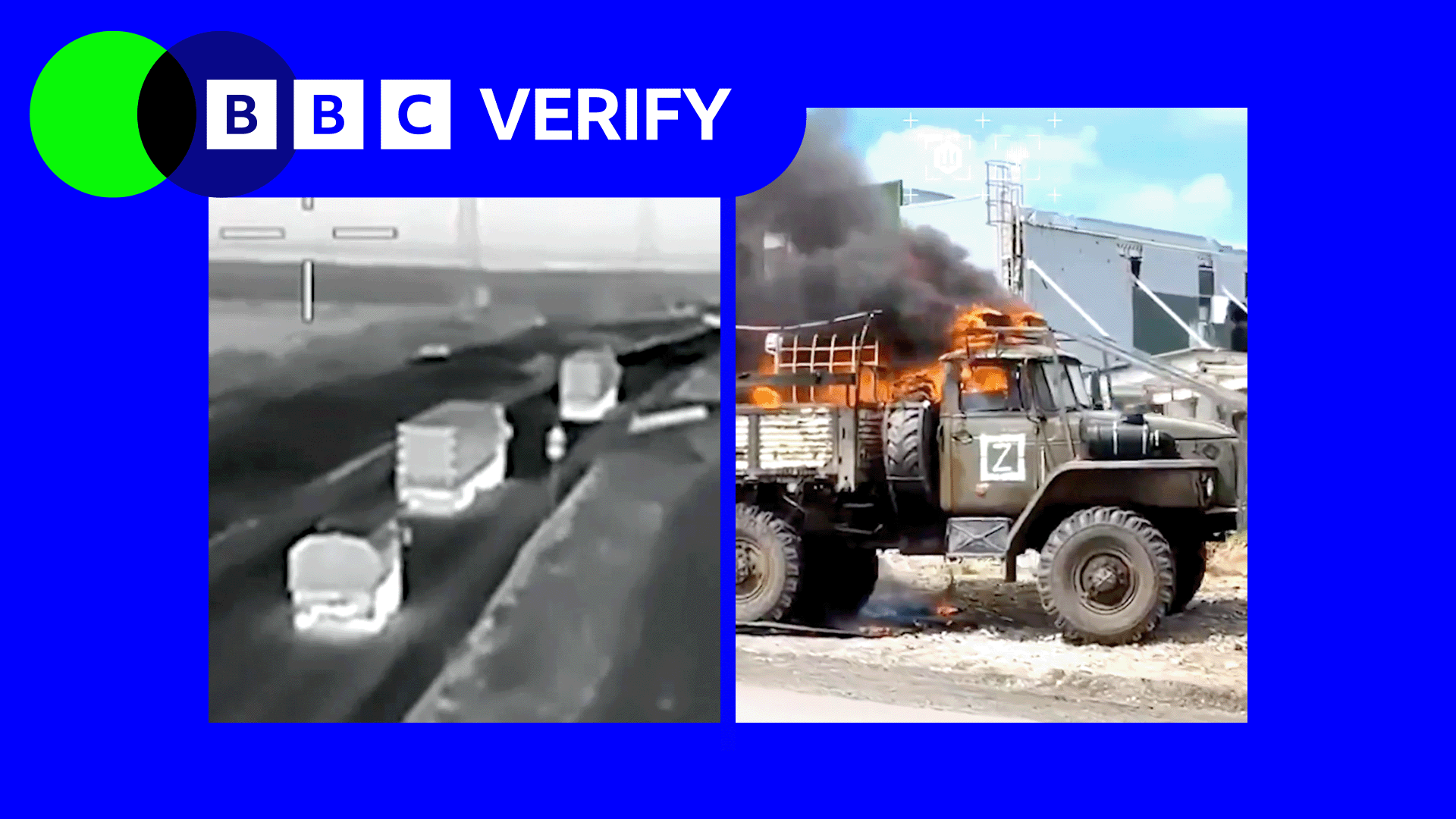
Sources, usually a bit too close to the official line, quietly suggest the operational impact has been substantial. And you bet your last dollar it has. Think about it: an enemy’s lifeblood is its logistics. Fuel, ammo, rations, bandages—take that away, and an army starves, literally and figuratively. These aerial automatons are reportedly disrupting Russian supply lines, doing a number on their ability to resupply front-line troops with essential provisions. You don’t need a PhD in military strategy to see why that’s a problem for Moscow.
We’re talking about systems designed to operate autonomously once launched, using onboard AI to make real-time decisions about targeting. It’s a shift—a colossal, tectonic shift—in battlefield dynamics. Russia’s military planners, notoriously slow to adapt in some areas (yet surprisingly nimble in others, a real head-scratcher sometimes), are now grappling with something straight out of science fiction. They’re forced to rethink everything, aren’t they? From convoy protection to tactical movements. The implications aren’t confined to Eastern Europe, either.
This tech isn’t staying put. Countries across the Muslim world, many facing their own intricate security challenges, are watching. Pakistan, for instance, a nation constantly navigating complex border dynamics and internal stability concerns, is acutely aware of evolving defense technologies. They’ve long pursued self-sufficiency in defense production—an absolute necessity for any serious player—and have their own drone programs. The development — and deployment of autonomous systems in a conflict as hot as Ukraine’s won’t be lost on them. It’s an undeniable pressure point, isn’t it, to upgrade and adapt, lest you find yourself on the wrong side of the tech gap? Global military expenditures reflect this rising tide: according to the Stockholm International Peace Research Institute (SIPRI), world military spending rose by 3.7 percent in real terms in 2022, reaching a new high of $2240 billion, with autonomous systems featuring heavily in future investment strategies.
Because let’s face it, no nation wants to be caught flat-footed. Not when their adversaries are essentially building robot armies. What starts in one corner of the globe as a battlefield innovation quickly becomes an arms race for everyone else.
What This Means
This isn’t just about Ukraine giving Russia a bloody nose; it’s about the very nature of sovereignty and military parity in the 21st century. The widespread use of AI-driven combat drones establishes a frightening precedent for future conflicts. The human element, once the sole arbiter of targeting decisions (at least in theory), is being subtly, insidiously, marginalized. Who, ultimately, is accountable when an algorithm makes a fatal error? Or a correct one, for that matter? That’s a can of worms legal scholars — and ethicists have been trying, with limited success, to close for years.
For developing nations — and those in geopolitical hotspots, the message is clear: adapt or become obsolete. It’s a cruel calculus, forcing nations to divert already stretched resources into increasingly sophisticated and expensive autonomous defense systems. Look at the escalating rhetoric and technological displays in the South China Sea, for instance; the same pressures apply. This isn’t a choice; it’s a strategic imperative.
But the economic implications are equally staggering. We’re witnessing the birth of a new industry—or the radical evolution of an old one. Investment in AI defense is skyrocketing. Nations not only need the tech but also the expertise to operate, maintain, — and counteract it. That means highly specialized workforces, educational reforms, and potentially a new tier of technological colonialism, where a few advanced nations control the critical hardware and software. It’s a stark reminder that military innovation doesn’t happen in a vacuum; it echoes across the global economy, shaping labor markets, trade policies, and, indeed, the very balance of power.
And let’s not forget the sheer speed. Things move fast now. A conflict like Ukraine’s isn’t just fought on land and air; it’s fought in the code, in the labs, in the research institutes pushing the boundaries of what these machines can do. We’re all passengers on this technological train, hurtling toward a future where decisions of war and peace might well be made at machine speed, far beyond human reaction times. That thought? It’s enough to make you pause, isn’t it?