


The Unseen Current: UNCW Coach’s Near-Fatal Act of Selflessness Forces Hard Look at Coastal Peril
POLICY WIRE — Wilmington, NC — It’s a scene most can barely stomach: a loved one, lost beneath the churning surf, the last glimmers of life extinguished by an unforgiving current. But for Nicole...

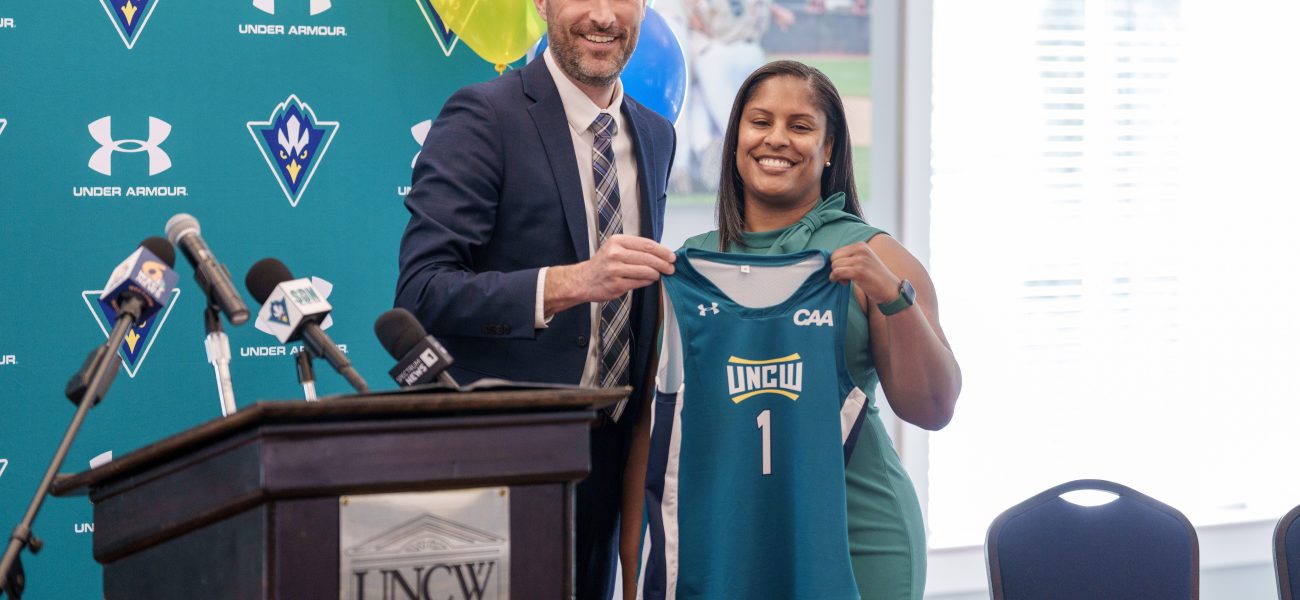
POLICY WIRE — Wilmington, NC — It’s a scene most can barely stomach: a loved one, lost beneath the churning surf, the last glimmers of life extinguished by an unforgiving current. But for Nicole Woods, the dynamic women’s basketball coach at the University of North Carolina Wilmington, this wasn’t a grim cinematic moment—it was last Thursday. One minute, she’s chaperoning a boisterous family beach day; the next, she’s making the kind of calculated, instantaneous sacrifice most of us only ever read about, pushing an 8-year-old nephew toward safety as the ocean claimed her, pulling her down, down, down.
It sounds dramatic, doesn’t it? Because it was. This isn’t just some story about a bad swim. This is about what happens when leadership—the kind Woods demonstrates daily on the basketball court, crafting strategy and demanding resilience—is abruptly tested by chaos. This isn’t about plays; it’s about pulse rates. And hers flatlined. For five grueling minutes, Woods’ heart wasn’t beating. Rescuers, working on the sand, frantically applied chest compressions and then, in a last-ditch effort, shocked her back. Miraculous doesn’t quite cover it. It’s an inconvenient, messy truth: life-saving interventions are brutal, rarely Hollywood-neat.
“They did chest compressions on me for five minutes, then used the AED to shock my heart. And that’s when they got a pulse,” Woods, 41, later recounted to local news outlet WECT, her voice no doubt still carrying the ghost of that memory. The details are harrowing. Waves. Panic. A current that drags you out before you even realize you’re fighting it. Her singular focus? Her nephew. She knew rescuers probably couldn’t grab two. So she chose. That’s grit, folks, stripped bare. But also, it’s a horrifying realization of how quickly the idyllic can turn catastrophic.
Her family, her wife Denitra, and the entire UNCW community have rallied, understandably, around this astounding brush with mortality. Associate Head Coach Cherie Lea is stepping in, taking the reins, as Woods—placed on a ventilator, then released, doctors finding no cognitive damage (unbelievable, really)—recovers at home. And everyone’s got an opinion, don’t they? About coastal safety. About vigilance. But few truly grasp the insidious power of a rip current until they’re caught in its grip. But then, it’s too late for talk.
“Coach Woods’ actions reflect the profound courage and selflessness we strive to instill in all our student-athletes and staff,” offered UNCW Athletic Director Jimmy Webb, his statement released to Policy Wire. “She is a pillar of our university, and her swift recovery is our paramount concern.” A diplomatic, yet earnest nod to a crisis averted by sheer human will. He’s got a point. You lead by example, sometimes, it turns out, in the most literal, life-or-death sense possible.
Because let’s be frank, these aren’t rare anomalies. According to the U.S. National Weather Service, rip currents account for over 80% of all lifeguard rescues and an estimated 100 drownings annually in the United States alone. That’s a chillingly consistent figure, year in, year out. It’s a quiet, statistical grim reaper that doesn’t discriminate between the seasoned swimmer — and the naive tourist. It just pulls. Anywhere. Everywhere.
Across the globe, the story plays out repeatedly. From the crowded beaches of Karachi in Pakistan, where informal lifeguard systems struggle against immense numbers and limited resources, to the picturesque coastlines of Southeast Asia, these invisible aquatic forces pose a consistent, deadly threat. The variables might change – temperature, crowd control, public awareness campaigns – but the fundamental human vulnerability against a powerful, indifferent ocean remains brutally consistent. You just don’t hear about the nameless heroes there as often, do you? But their acts of desperation, of last-gasp sacrifice, are just as real, just as poignant.
📄 POLICY WIRE WHITEPAPER PUBLISHED: PAKISTAN'S NATIONAL SECURITY POLICY PRIORITIES
👉 READ BY CLICKING HERE“Every incident like this, especially involving someone as high-profile as Coach Woods, serves as a harsh, necessary lesson,” commented Dr. Fariq Hussain, a marine safety analyst with the International Maritime Organization, speaking on the broader implications of such events. “It’s not just about more signs; it’s about a cultural shift in how we approach coastal environments, from the Carolina shores to the Arabian Sea.” He’s right, of course. This isn’t rocket science, but sometimes the obvious truths are the hardest to swallow. Like how a perfect beach day can transform into a struggle for breath in the blink of an eye.
What This Means
This incident isn’t simply a local news sensation—it’s a blaring alarm bell for public safety officials, especially those navigating the fraught intersection of tourism and risk. Politically, the near-tragedy of a well-known university coach forces uncomfortable questions about resource allocation: Are lifeguard stations adequately staffed? Is signage clear enough, prominent enough, in multiple languages? The political capital generated by such an emotional narrative often pushes these discussions to the forefront, albeit temporarily. Local politicians, who frequently champion beach-centric economies, now face intensified scrutiny to ensure safety measures align with recreational appeal.
Economically, while a single incident won’t tank the tourism industry, persistent perceptions of unsafe beaches can chip away at revenue. For Wrightsville Beach, a popular spot, incidents like this can lead to calls for increased spending on preventative measures—more lifeguards, enhanced public education campaigns, even technological solutions for early current detection. That’s money, pure — and simple, and local governments have to balance those costs against budget realities. it underscores a universal truth: developing coastal nations, from Indonesia to India, grapple with even more profound challenges. Scarcer resources mean fewer lifeguards, less effective warning systems, — and often, devastatingly higher casualties. The heroics of Woods, and the subsequent relief in North Carolina, highlight a systemic fragility—a reminder that nature’s caprice affects everyone, but those with fewer safety nets feel its full, cruel force.
This story—Woods’ raw courage, the medical marvel of her recovery—becomes part of a broader, enduring conversation. It’s about preparedness, sure. But mostly, it’s about humanity’s fragile, often perilous dance with the wild, unpredictable edges of our world. And sometimes, you gotta come back from the brink to tell that tale. This is Woods’ moment to tell it. A sobering thought as summer beckons.