
Heritage at the Roof of the World: How the Shandur Polo Festival 2025 Turns Sport into Soft Diplomacy
At 12,000 feet above sea level, the air is thin, but the atmosphere at the Shandur Polo Festival 2025 is electric. Horses thunder across the green plateau of what is often called the world’s highest...

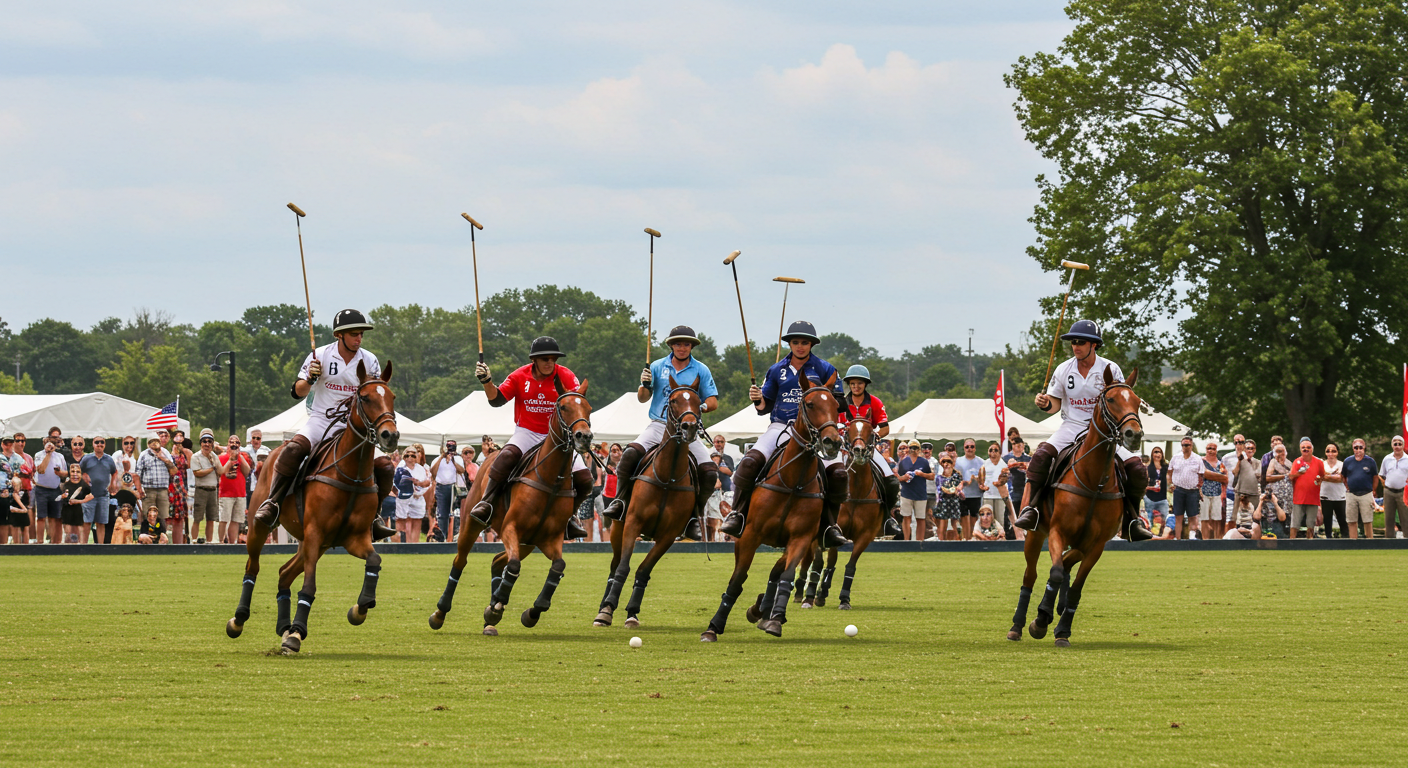
At 12,000 feet above sea level, the air is thin, but the atmosphere at the Shandur Polo Festival 2025 is electric. Horses thunder across the green plateau of what is often called the world’s highest polo ground. Riders lean low over their mounts in a flurry of mallets and hooves, kicking up dust under the vast Karakoram sky. Above, colorful kites and paragliders drift, while in the stands, supporters of Chitral and Gilgit sit side by side—fierce in rivalry, yet bound by decades of tradition.
This year’s festival, held every July, offered more than just sport. It was a high-altitude celebration of heritage and tourism—a convergence of cultural pride, hospitality, and breathtaking landscapes. As KP Sports Minister Syed Fakhar Jahan told Arab News, the event draws visitors “from across the globe,” showcasing a Pakistan defined not by headlines, but by warmth, resilience, and cultural richness.
A Polo Tradition Like No Other
Freestyle polo at Shandur is unlike anywhere else: rule-light, fast-paced, and rooted in centuries-old mountain traditions. Since 1982, Chitral and Gilgit have clashed on this iconic field more than 30 times. The rivalry remains evenly balanced—Chitral with 17 victories, Gilgit with 13. Yet beyond the scoreline, the festival’s true legacy lies in continuity: a spirited contest that unites rather than divides.
More Than a Game
The grandeur is no accident. Supported by the KP Culture & Tourism Authority, the Chitral Scouts, and the Pakistan Army, the festival is as well-organized as it is historic. Beyond polo, visitors enjoyed paragliding shows, folk music, and traditional dances. In the opening match, Chitral’s Surlaspur team defeated Gilgit’s Ghizer side 6–3, setting the tone for a festival attended by provincial ministers, cultural officials, and tourism stakeholders—all underscoring the state’s investment in positioning Shandur as a world-class cultural showcase.
Sport as Soft Diplomacy
Here, polo becomes more than a sport—it is a form of soft diplomacy. The Shandur Polo Festival sends a message that Pakistan’s northern highlands are not only a tourism treasure, but also a hub for peaceful engagement. Its unique setting, high-altitude authenticity, and deep-rooted traditions create a cultural narrative no marketing campaign could replicate.
A Heritage Rooted in History
The festival traces its origins to the 1930s, when British officers and local leaders began formalizing summer polo fixtures. Today, it stands as a prime example of how cultural heritage fuels tourism, sustains local economies, and projects a positive image abroad. More than an annual rivalry, Shandur is an act of union—a celebration of shared identity in a place far removed from political divisions.
More Than Memories
As the sun sinks behind snow-clad mountains, the festival leaves behind more than photographs. It offers a story about Pakistan—warm, colorful, layered with history. It is a tale told through fast polo matches, melodies drifting over high valleys, and the handshake where old traditions meet new opportunities.
Author