


Japan’s Ghost Birds Soar Again: A Calculated Gambit Against Extinction’s Grip
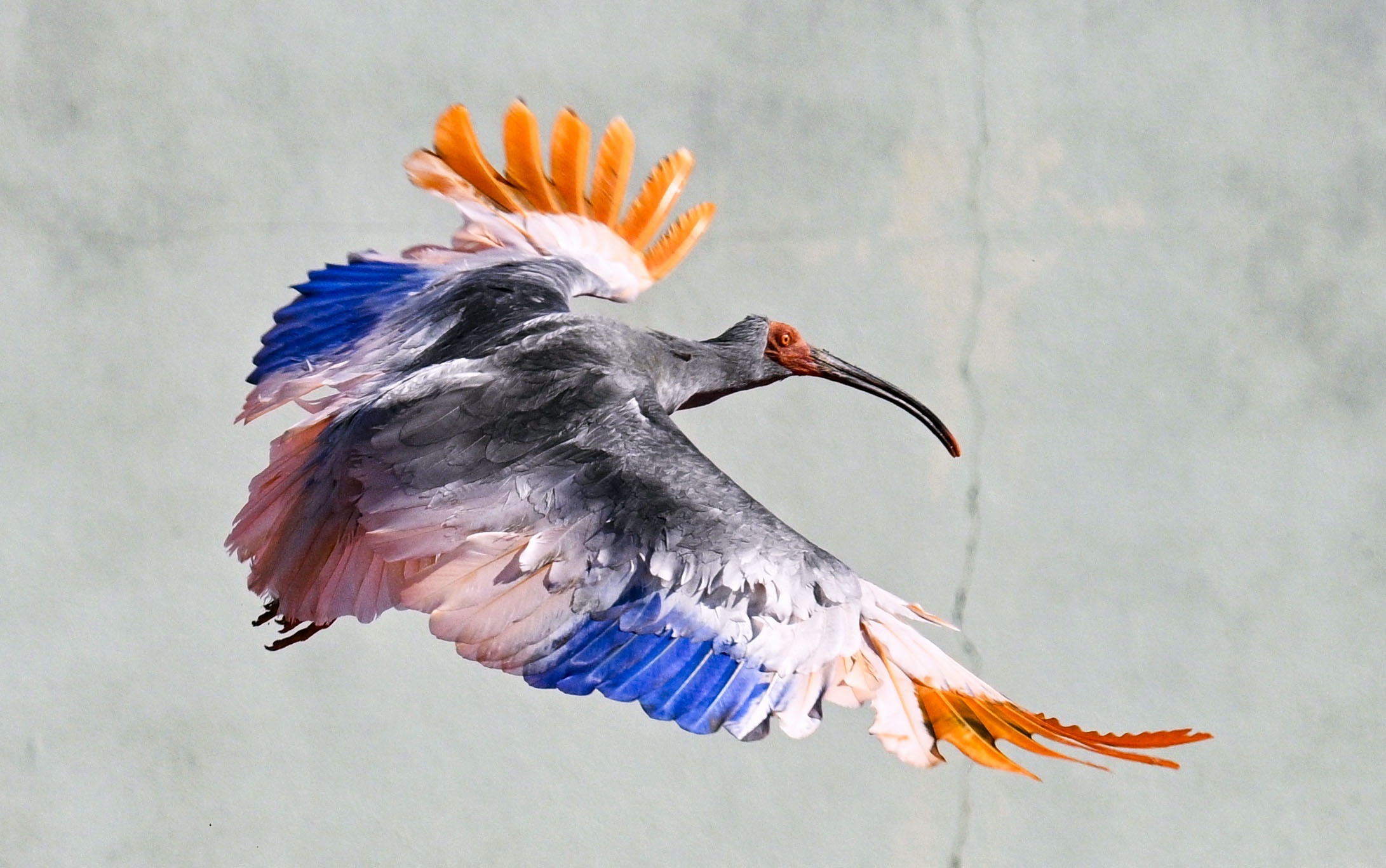
POLICY WIRE — Tokyo, Japan — Sometimes, dead doesn’t mean gone. Not really. Not when human stubbornness — or, let’s call it ambition — kicks in. The reintroduction of eight crested ibises, those...

POLICY WIRE — Tokyo, Japan — Sometimes, dead doesn’t mean gone. Not really. Not when human stubbornness — or, let’s call it ambition — kicks in. The reintroduction of eight crested ibises, those striking, long-beaked birds, into Japan’s wild after decades of a deafening absence isn’t just a feel-good nature story. No, it’s a high-stakes ecological experiment, a public policy gamble on whether we can truly mend what we’ve shattered, or if we’re just delaying the inevitable. It’s an exercise in environmental contrition, dressed up as hope.
These magnificent creatures, known locally as ‘toki,’ vanished from the Japanese archipelago entirely back in 2003, their ethereal forms reduced to mere folklore. But like a character plucked from a poignant opera, they’ve been brought back— not through some miraculous spontaneous generation, but through years of painstaking, politically charged effort. And this recent release on Sado Island? It’s more than just releasing birds. It’s a statement, stark — and undeniable, about humanity’s clumsy role as both destroyer and would-be savior.
The journey back for these birds began, strangely enough, in China. Back in the early 1980s, when their Japanese counterparts were rapidly blinking out, a tiny, remnant population was discovered in Shaanxi Province. A mere seven birds. But they held the genetic keys to resurrection. China, seeing a shared ecological heritage—or perhaps an opportunity for some gentle environmental diplomacy—provided Japan with captive-bred ibises in 1999. Since then, Japanese conservationists, armed with hefty budgets and scientific precision, have nurtured this new generation, pushing the population numbers up in highly controlled environments. Now, these eight birds represent a fragile push towards genuine autonomy, towards a natural population, something beyond just cages and climate-controlled habitats.
And let’s not pretend this is easy work. Even with sophisticated rearing techniques, the wilderness is no petting zoo. The dangers are legion: lack of suitable foraging grounds, new predators, perhaps even subtle climate shifts altering their food supply. They’ve gone through extensive training, essentially re-learning how to be wild birds—a notion that’s equal parts inspiring and frankly, a bit tragic. It’s an admission, isn’t it, that we’ve broken the fundamental operating instructions of nature?
Minister for the Environment, Akihiro Kawamura, offered a guarded perspective. “This isn’t simply a release; it’s a commitment. We’re pouring significant resources into habitat restoration and community engagement because, honestly, these birds don’t just need a place to live, they need a reason to stay. We don’t want a repeat performance of their past disappearance.” But even he wouldn’t promise an easy ride. The Minister, known for his pragmatic approach to balancing economic development with ecological concerns, added, “Our initial efforts are bearing fruit, but the real success metric is decades away, measured in self-sustaining wild flocks, not just photo ops.”
Beyond Japan, this story holds particular resonance for countries navigating similar environmental tightropes. Consider the wetlands — and riverine ecosystems across Pakistan and other South Asian nations. Many species there, from migratory birds traversing the Indus Flyway to indigenous aquatic life, face habitat loss, pollution, and climate stress, echoing the very pressures that pushed the toki to the brink. It’s a global tale of resource conflict, isn’t it?
But how do we pay for all this ecological CPR? That’s the question haunting conservationists globally. “The financial — and logistical burden of such reintroductions is staggering,” explained Dr. Lena Khan, a senior policy analyst at the Global Species Alliance, who closely follows Asian conservation trends. “You’re not just moving a few birds; you’re effectively trying to re-engineer an entire ecosystem, piece by excruciating piece. In 2023 alone, global spending on biodiversity protection initiatives lagged an estimated 700 billion dollars behind what’s needed annually to effectively reverse biodiversity loss trends. That’s a gaping hole, you see. And it leaves places like Japan and Pakistan making hard choices about what species get a second chance.” (Source: United Nations Environment Programme’s ‘State of Finance for Nature’ Report).
It boils down to collective responsibility—a heavy, often ignored one. The ibis saga is less about saving a species — and more about a persistent, uncomfortable examination of our priorities.
What This Means
The crested ibis reintroduction isn’t merely a triumph of zoological science; it’s a sharp policy lesson. Economically, Sado Island, a dwindling agricultural community, anticipates an uplift from ecotourism, transforming an ecological scar into a selling point. Local officials are hoping for a ‘toki effect’ similar to the pandas in China, a natural mascot attracting visitors and investment. Politically, Japan enhances its ‘green’ credentials on the international stage, particularly important as it navigates complex global climate discussions and tries to lead on environmental stewardship in Asia. It’s a softer power play, subtly positioning Tokyo as a responsible environmental actor, contrasting with other regional powers. But there’s a downside, a creeping danger: the perception that extinction is reversible. It feeds into a dangerous complacency, suggesting that humanity can always clean up its messes, given enough time and money. Because, quite frankly, for every toki given a second act, countless others simply disappear, forever.
But the world watches. Will these birds really take hold, reproducing in sustainable numbers without constant human intervention? Or will they become an endlessly expensive outdoor aviary, a monument to a species we brought back from the brink, only to discover that the brink itself has grown wider, harder to manage? We’ll find out. We usually do.