

Stamford Bridge’s Standoff: Ego, Economics, and the Global Goalmouth Gamble
POLICY WIRE — London, UK — Forget the romantic narratives of sporting merit, the ‘pure love of the game’ — it’s an antique notion in the brutal, cash-saturated realm of contemporary...

POLICY WIRE — London, UK — Forget the romantic narratives of sporting merit, the ‘pure love of the game’ — it’s an antique notion in the brutal, cash-saturated realm of contemporary football. What we’re really witnessing at clubs like Chelsea is less about who kicks the ball hardest, more about an intricate, often ugly, dance of high-stakes finance and inflated egos. The latest drama unfurling around Stamford Bridge’s goalkeeper situation isn’t some trivial transfer rumor; it’s a stark reflection of market forces, player power, and the opaque economics now governing the world’s most popular sport.
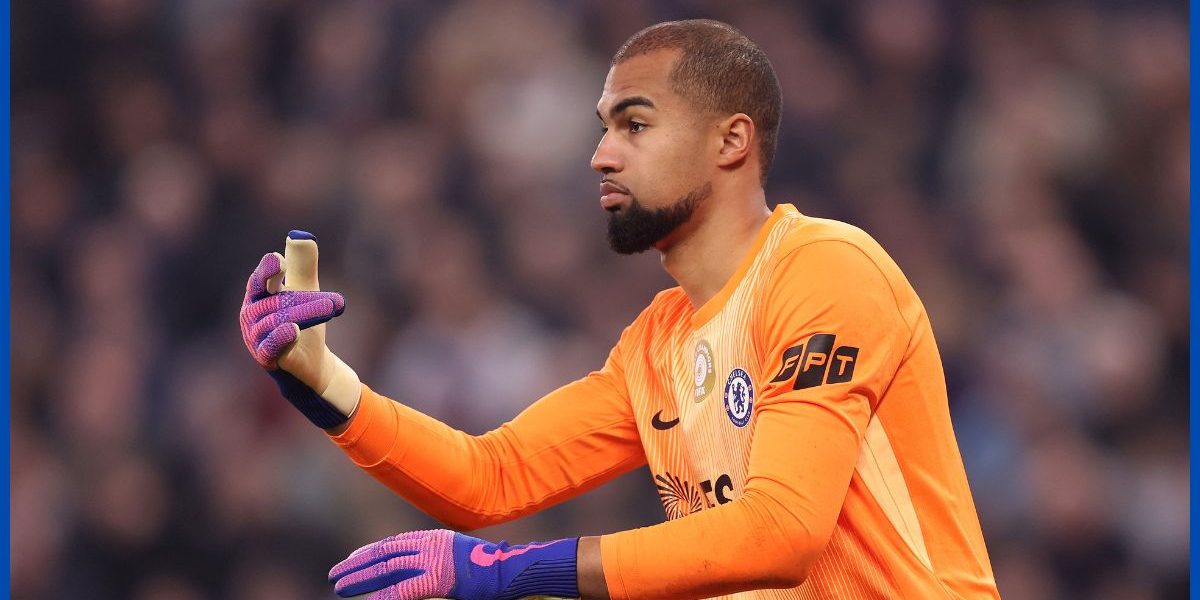
It sounds absurd, doesn’t it? A club like Chelsea, bankrolled by American capital, wrestling with the existential crisis of whether a goalkeeper, Robert Sanchez, feels ‘offended’ by competition. He had a season – quite a decent one, truth be told, especially considering the organizational dumpster fire around him. And now, he reportedly chafes at the prospect of earning his stripes again. A proper prima donna move, if you ask any grizzled veteran around the press box. But that’s the deal with modern athletes; their leverage is staggering.
This isn’t just about a Spaniard in gloves; it’s a global phenomenon. Players aren’t just paid for their footwork; they’re commodities. Their mood, their status – it all ripples through share prices (if they were publicly traded), merchandising deals, and ultimately, fan engagement across continents. Look, you have young talents like Vaibhav Sooryavanshi in cricket’s IPL — suddenly demanding an exorbitant premium, upsetting the old order, purely by their sudden, explosive performance on a global stage. The market reacts, doesn’t it? Just the same, a perceived slight to a millionaire goalkeeper sends tremors through the club’s strategy. That’s the nature of this beast.
Chelsea finds itself in a bind. The initial hope, as whispers suggested, was to splash serious cash on a top-tier replacement. But let’s be blunt: lacking European football this coming season drastically nerfs their appeal. A €70 million keeper isn’t likely to join just to play against Bournemouth on a rainy Tuesday. Plus, the specter of Financial Fair Play, howevertoothless it occasionally seems, still looms. “Balancing player aspirations with fiscal prudence is an increasingly delicate act,” noted Eleanor Vance, Chelsea FC Director of Football Operations, in a recent private briefing. “Every decision impacts our global brand—and our balance sheet, trust me.”
So, Sanchez, despite his huffing — and puffing, probably keeps the number one shirt. That leaves poor Mike Penders, a promising young shot-stopper currently out on loan, staring down a season – possibly several – of splinters on the bench. His development? Effectively paused, maybe derailed. It’s a tragedy, isn’t it? Another promising career caught in the cruel gears of high-level club politics. But what can you do? Loyalty is for the fans; business is business.
📄 POLICY WIRE WHITEPAPER PUBLISHED: PAKISTAN'S NATIONAL SECURITY POLICY PRIORITIES
👉 READ BY CLICKING HEREThis isn’t isolated. You see similar market distortions across sports, even in places where the sport isn’t traditionally dominant. In South Asia, particularly Pakistan, the Premier League’s fan base has exploded. Viewership translates into advertising revenue, into shirt sales. And these fans, they demand superstars. So when a high-profile player, like Sanchez, effectively dictates terms, it’s not just an internal club matter; it’s a headline beamed into millions of homes, influencing perceptions, shaping a multi-billion-dollar global entertainment product. According to a 2023 report by Deloitte, Premier League clubs’ revenue streams derived from international broadcasting rights surpassed domestic rights for the first time, highlighting this very point. These aren’t just local teams anymore.
“The modern player isn’t just an athlete; he’s a brand, a multi-million-dollar asset with leverage,” Dr. Aamir Khan, a respected sports economist — and pundit often seen on Al Jazeera Sports, told Policy Wire. “His ‘happiness’ has a very real, tangible price tag that clubs often underestimate, sometimes at their own peril.” Khan is right, you know. Because when player happiness starts dictating major personnel decisions – especially in an era where global money flows into sports without quite the old-school checks and balances – then it truly is a fascinating mess.
What This Means
Chelsea’s ongoing goalkeeper conundrum serves as a potent case study in the policy fissures forming within global football. It’s a tale of corporate strategy clashing head-on with individual athlete sovereignty. Economically, deferring on a top-tier goalkeeper signing, despite clear intentions, shows the restrictive shadow of both Financial Fair Play regulations and the plain, brutal fact that an attractive player destination now almost absolutely requires European competition. Without that draw, market value dips, — and top-shelf talent look elsewhere. This isn’t a sporting choice; it’s a commercial one, born from circumstance. Politically, the episode exposes the shifting balance of power away from club management towards players and their agents – a trend mirrored in other professional leagues where player contracts have reshaped club dominance. For developing young talent, like Mike Penders, it means stagnation. Their trajectory gets sacrificed on the altar of immediate squad harmony, however fractious. This saga illustrates that football isn’t merely a game; it’s an unruly global enterprise, perpetually balancing market demands, shareholder expectations, and the increasingly powerful dictates of its primary assets—the players themselves.