


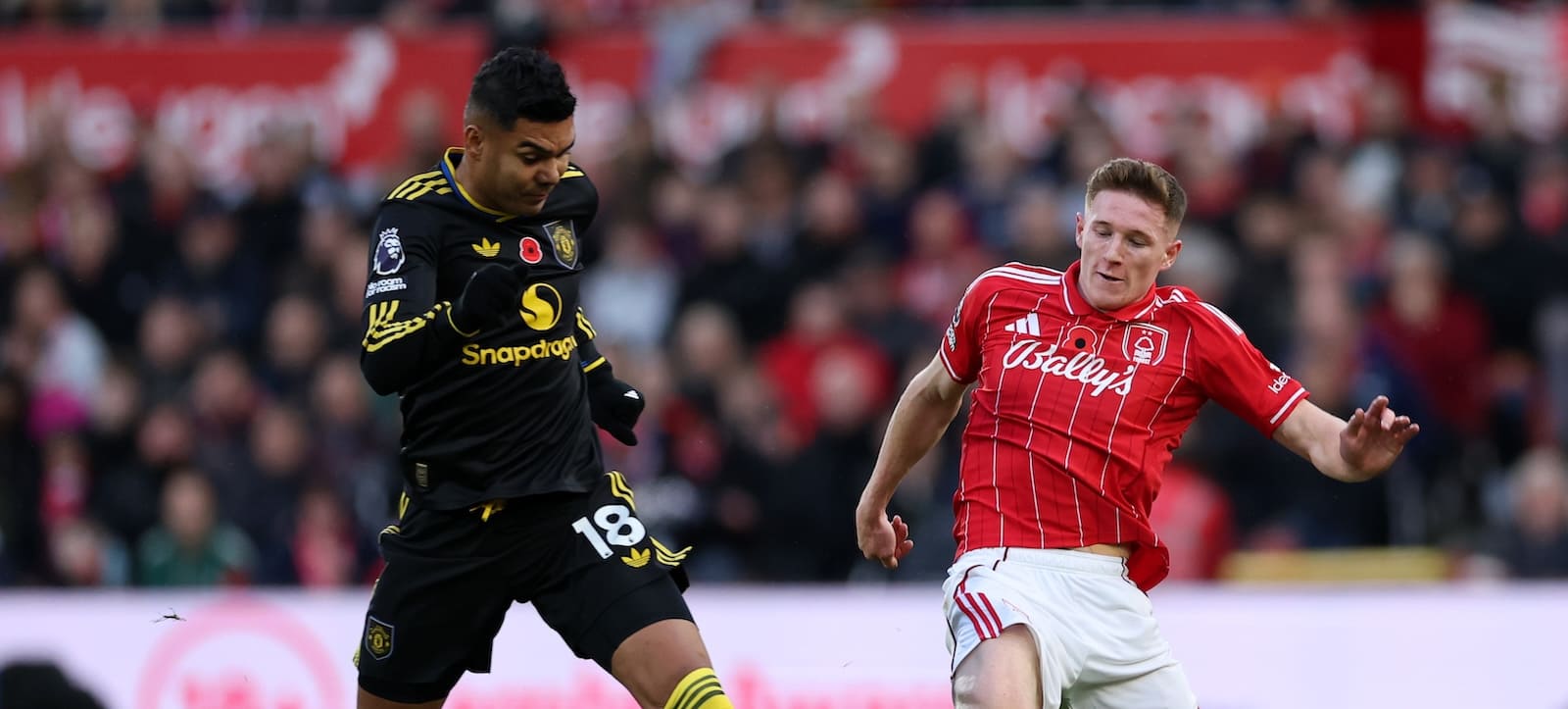
Nine-Figure Stakes: Manchester’s Economic Derby Over Star Midfielder
POLICY WIRE — London, UK — The summer transfer window, traditionally a silly season for tabloid whispers, has morphed into a geopolitical economic indicator. It’s less about who kicks a ball and more...

POLICY WIRE — London, UK — The summer transfer window, traditionally a silly season for tabloid whispers, has morphed into a geopolitical economic indicator. It’s less about who kicks a ball and more about who commands the deepest pockets, the savviest negotiators, and, perhaps, the most brazen sense of fiscal impunity. The current theatre? Nottingham Forest’s rising midfield star, Elliot Anderson, a player whose talent, apparently, is now valued in excess of most national budgets for emerging economies. Manchester’s footballing giants, United and City, find themselves locked in an opulent stalemate over his services, a public display of wealth that—frankly—verges on the obscene.
Because, for all the talk of ‘sporting rivalry’ and ‘club ambition,’ this isn’t just about a twenty-three-year-old’s preferred shirt color. No, it’s a direct proxy skirmish between two global conglomerates, each with more money than sense, seemingly determined to out-flex the other. A few weeks back, the chattering classes (and most of Anderson’s Instagram followers) were convinced he was Etihad-bound. But Ineos, the petrochemical monolith backing Manchester United, didn’t enter the perceived bidding war; they just watched. Observed, if you will, like a patiently stalking predator waiting for an opening. And now, the lion has pounced, or at least started to sniff around.
Forest, sensing a gold rush, set their price north of £100 million. City’s opening gambit was rejected—a move akin to offering loose change for a sovereign state. A spokesperson for Nottingham Forest, who declined to be named but has knowledge of the negotiations, offered a stark, if somewhat theatrical, assessment: “We aren’t a charity. Anderson’s talent commands market value, — and that value is unequivocally in nine figures. Other clubs’ budgets are their concern, not ours.” It’s a bold stance for a club not typically accustomed to being kingmakers in the transfer market, but they’re playing their hand brilliantly.
This escalating price tag for a single player — even one as promising as Anderson — reflects a broader financialization of sport. We’re witnessing the logical conclusion of unchecked capital flowing into the Premier League, where player wages and transfer fees defy conventional economic sense. For context, Forest has pointed to Arsenal’s acquisition of Declan Rice for £105 million as a market precedent, effectively setting their floor. That figure, mind you, represents more than a third of Pakistan’s entire annual foreign direct investment in 2023, which stood at just under $3 billion according to the State Bank of Pakistan data. Consider that for a moment: the economic output of nations, compared to the perceived market worth of a single footballer. It’s truly something.
But the red side of Manchester isn’t just watching anymore. They see a gap, a glimmer of opportunity. A reported £20 million valuation chasm exists between City’s latest offer — and Forest’s demands. And Manchester United, not typically known for their humility in these situations, believe they can swoop in. A source close to the Red Devils’ negotiating team, speaking off the record, outlined their strategy. “This isn’t about bidding wars; it’s about strategic investment. Elliot represents a generational talent—a cornerstone. We pursue value, but we also pursue success. And sometimes, success has a premium,” the source stated, probably with a smirk that could curdle milk. The very essence of modern sporting enterprise, isn’t it?
They’re not just trying to replace a departing Casemiro, though that’s certainly a driving factor. They’re also trying to replace the ego points lost to their ‘noisy neighbors’ over the years. They’re offering a sizeable wage increase, of course—because what’s a few extra zeros on a paycheck when you’re dealing with the fortunes of empires? They’re banking on City faltering, for the seemingly limitless wells of Sheikh Mansour to hit a sudden, improbable dry patch. Hope, they say, springs eternal, especially when one’s net worth boasts enough digits to qualify as a small country’s GDP.
And let’s be honest, this saga will continue to stretch. It’s got all the hallmarks of a protracted, tedious affair. Twists, turns, whispers, anonymous sources, and everyone making an absolute fortune—except, arguably, the people paying to watch. For the fan in Karachi or Cairo, these moves aren’t just about football; they’re a spectacle of globalized capital, a symbol of who truly holds power in a world where sporting dynasties can be bought and sold like commodities.
What This Means
This high-stakes maneuver for Elliot Anderson isn’t simply a football transfer; it’s a geopolitical microcosm. It highlights the growing influence of sovereign wealth and corporate behemoths on global institutions, sports being a significant—and visible—one. For a journalist from Policy Wire, the implication isn’t the player’s ability to pass or shoot, but rather the economic muscle-flexing it represents. It’s a contest for soft power, for global brand recognition, fought on the fields of Manchester — and Nottingham. The market for elite English football talent, sustained by a global audience that spans from Latin America to the furthest reaches of the Muslim world, operates on a financial logic completely detached from conventional labor economics. These nine-figure sums paid for athletes demonstrate an insatiable demand for success and prestige, reflecting not just sporting ambition but broader economic disparities. The funds, often originating from regions rich in natural resources, cycle back into a highly commoditized, entertainment-driven economy, further inflating values and perpetuating a cycle where only the ultra-wealthy can truly compete. It underscores a prevailing sense that money, in this arena, doesn’t just talk—it shouts, sometimes even screams. And ordinary economics can barely whisper in response.