


New Mexico’s Childcare Quandary: Zoning Laws, Workforce Dreams, and a Pint-Sized Policy Debate
POLICY WIRE — Albuquerque, New Mexico — It wasn’t the marble halls of a state capitol, but a bustling brewpub that played host to the nitty-gritty of New Mexico’s pressing childcare...

POLICY WIRE — Albuquerque, New Mexico — It wasn’t the marble halls of a state capitol, but a bustling brewpub that played host to the nitty-gritty of New Mexico’s pressing childcare deficit. On a recent Saturday, against the clinking of glasses and murmurs of casual conversation, Kate Noble, president and CEO of Growing Up New Mexico, found herself articulating the mechanics of societal infrastructure. You know, the stuff that truly keeps the economy churning.
She was there to talk about how the state, despite its progressive stance on universal free childcare—a singular accomplishment, if you ask its proponents—still needs about 12,000 more childcare spots, give or take. Think about that for a second. That’s not just a number; it’s thousands of working parents, often mothers, in an economic holding pattern. And it’s kids missing out on a solid head start. [QUOTE_PLACEHOLDER]
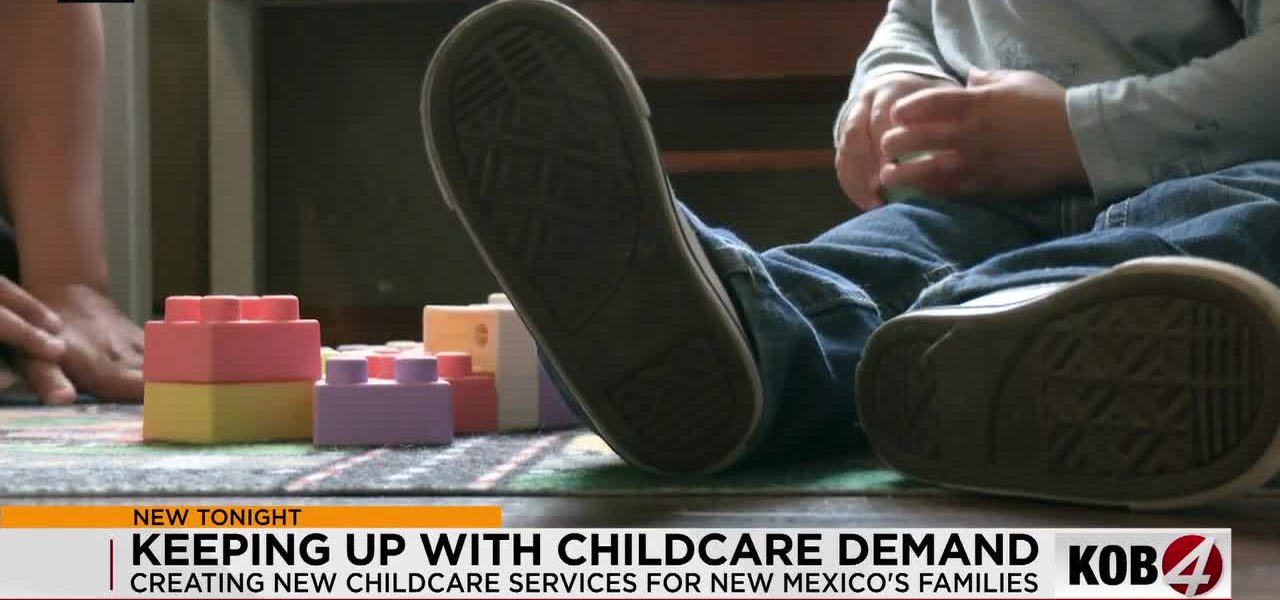
The state became the country’s first to roll out universal free child care last November. But that grand gesture, Noble pointed out, didn’t magically conjure up the physical spaces or the actual people to staff these crucial facilities. Turns out, policy can move faster than brick-and-mortar or, indeed, qualified caregivers. New Mexico, bless its heart, still faces significant child care deserts
.
Now, lawmakers have, as they often do, turned to legislation to patch the holes. Earlier this year, they approved a bill. Its aim? Simple enough, on paper: remove zoning requirements for in-home child care providers. The idea, apparently, is that if you make it easier to open a daycare in your living room, the childcare problem just… solves itself. But solving the issue isn’t quite that simple, is it? Just ask any family trying to balance work — and life across the globe.
Sen. Heather Berghmans, a Democrat from New Mexico, believes this particular adjustment should make a noticeable difference, especially for rural communities come July 1. She put it pretty plainly: For our rural communities, and it’s much easier to open a daycare in your home than it’s to open a big center.
Which, logically, makes a good deal of sense. Large, purpose-built centers demand land, permits, — and a lot of upfront capital. Home-based care? It’s often quicker, more localized, — and frequently staffed by someone from the community. It’s the micro-enterprise model applied to social care.
But that flexibility brings its own bag of issues. Quality control. Training. Regulatory oversight without stifling growth. These are the perpetual tightropes governments must walk. The expectation is that this easing of rules will stimulate growth in the home-based care sector, adding to the nearly 300 providers who have entered the field since the universal free childcare launched, according to data cited from KOB.com.
Still, 300 providers entering the field since November isn’t a small feat. But when you’re facing a deficit of 12,000 spots, it’s clear you’re running a marathon with a limp. The Gnomes — Growing Up New Mexico, that’s — are planning a state-wide tour. They’re on the hunt, trying to woo more people into a profession that’s historically underpaid and under-appreciated, despite its foundational role in everything else.
📄 POLICY WIRE WHITEPAPER PUBLISHED: PAKISTAN'S NATIONAL SECURITY POLICY PRIORITIES
👉 READ BY CLICKING HEREAnd let’s be real, this isn’t just an issue confined to the arid landscapes of New Mexico. Head to Lahore or Karachi, the bustling metropolises of Pakistan, — and you’ll find strikingly similar dilemmas. Urbanization has fragmented extended family structures that traditionally provided childcare. But while New Mexico grapples with zoning laws and the intricacies of its market economy, developing nations like Pakistan face not only cultural shifts but also issues of basic infrastructure, safety, and persistent poverty that compound the challenge of accessible, affordable, quality childcare. For women in South Asia, particularly those in lower-income brackets, the lack of dependable childcare often means a stark choice: earning a living or raising their children, pushing economic empowerment into a tragic zero-sum game.
In fact, This is important because it allows families to go to work, particularly women. It allows children to get a strong start in life, and ultimately it’s an entire business sector that needs and deserves support,
Noble articulated, her words echoing a global truism. That sentiment — linking childcare to family economics, gender equality, and future societal capital — transcends state lines and national borders. It’s a core function of any functioning society that seeks to nurture its future workforce and, well, its actual humans.
But the American approach, even in states as forward-thinking as New Mexico, still often treats childcare like a luxury, not the essential utility it actually is. So, we’re left with state-level ingenuity trying to workaround national inaction, one softened zoning ordinance at a time. It’s like trying to fill a bathtub with a leaky teacup, but every little bit helps, doesn’t it? Or so we tell ourselves.
What This Means
This localized legislative fix in New Mexico highlights a growing tension between grand state-level policy ambitions and the on-the-ground realities of implementation. Politically, the Democratic-led push reflects an understanding that childcare is not just a family issue but an economic engine and a fundamental workforce enabler. By targeting zoning laws, the state bypasses the monumental capital investments required for large-scale facilities, opting for a grassroots expansion. Economically, this move intends to unlock significant labor potential, particularly among women who disproportionately bear the burden of childcare. Increased home-based care creates new, albeit small-scale, businesses, feeding local economies. However, the reliance on such micro-solutions also signals a failure at higher levels of government to address a systemic problem with a comprehensive, national strategy. It’s a pragmatic workaround, yes, but it risks creating a fragmented, uneven landscape of care where quality and regulation might struggle to keep pace with demand. And because a rising tide lifts all boats, so too does a crumbling social infrastructure — like childcare — create ripple effects across economic demographics, affecting everything from property values to workforce productivity. The challenge, then, is not just quantity, but quality, sustainability, and ensuring these vital services aren’t just abundant, but truly robust. This isn’t just about kids — and parents; it’s about the future economy itself.