


Germany’s Reserve Forces: Calls for Higher Age Limit to Bolster National Defense
POLICY WIRE — Berlin, Germany — The head of Germany’s reserve forces organization recently championed increasing the maximum service age for military reservists. According to reports, Patrick...

POLICY WIRE — Berlin, Germany — The head of Germany’s reserve forces organization recently championed increasing the maximum service age for military reservists.
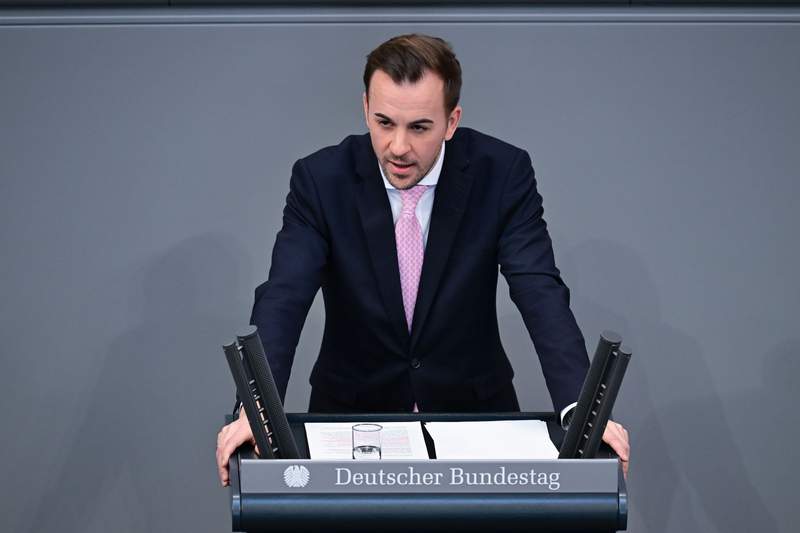
According to reports, Patrick Sensburg, who leads the Reservistenverband, argued that retaining experienced personnel for longer periods is crucial for enhancing the country’s defense capabilities amid a shifting global security landscape. He underscored the significant expertise and specialized skills that older reservists contribute, suggesting these assets should be utilized more extensively by the Bundeswehr, Germany’s armed forces.
This recommendation emerges as Germany actively reevaluates its military strategy and investment in defense infrastructure. The nation is responding to heightened security concerns across Europe, necessitating a robust and adaptable military posture.
Strategic Imperative for Enhanced Readiness
Current regulations typically set the upper age for officers and non-commissioned officers in reserve roles at approximately 65 years. Sensburg’s proposal aims to leverage a substantial pool of capable and seasoned individuals who remain physically fit and mentally acute, thereby deepening the overall readiness of Germany’s reserve contingents.
He further stressed the indispensable role a well-prepared reserve component plays in supplementing the active military, which is foundational to ensuring comprehensive national security. This mirrors discussions seen in other nations globally concerning their defense postures. Read More: Japan Overhauls Arms Export Policy, Ending Post-WWII Pacifism for Global Defense Sales
📄 POLICY WIRE WHITEPAPER PUBLISHED: PAKISTAN'S NATIONAL SECURITY POLICY PRIORITIES
👉 READ BY CLICKING HEREDemographic Shifts and Military Policy
The call for an adjusted age limit also reflects broader demographic considerations facing the nation. By enabling older, experienced reservists to continue their service, Germany can mitigate potential skill gaps and maintain institutional knowledge vital for complex military operations and training. This move is designed to ensure the Bundeswehr remains agile and effective in protecting national interests.