


Gaboon Viper Strike Mechanics: High-Speed Footage Reveals Unseen Predatory Precision
POLICY WIRE — Pretoria, South Africa — Advanced slow-motion video analysis has brought to light the astonishing complexities of the Gaboon Viper’s strike, detailing aspects imperceptible to the...

POLICY WIRE — Pretoria, South Africa — Advanced slow-motion video analysis has brought to light the astonishing complexities of the Gaboon Viper’s strike, detailing aspects imperceptible to the human eye during its lightning-fast attack.
This detailed examination uncovers the highly evolved biomechanics that allow one of Africa’s most formidable venomous snakes to ambush its prey with unparalleled speed and accuracy. Researchers utilized specialized high-frame-rate cameras to dissect every millisecond of the viper’s lethal engagement.
Unveiling the Viper’s Deadly Arsenal
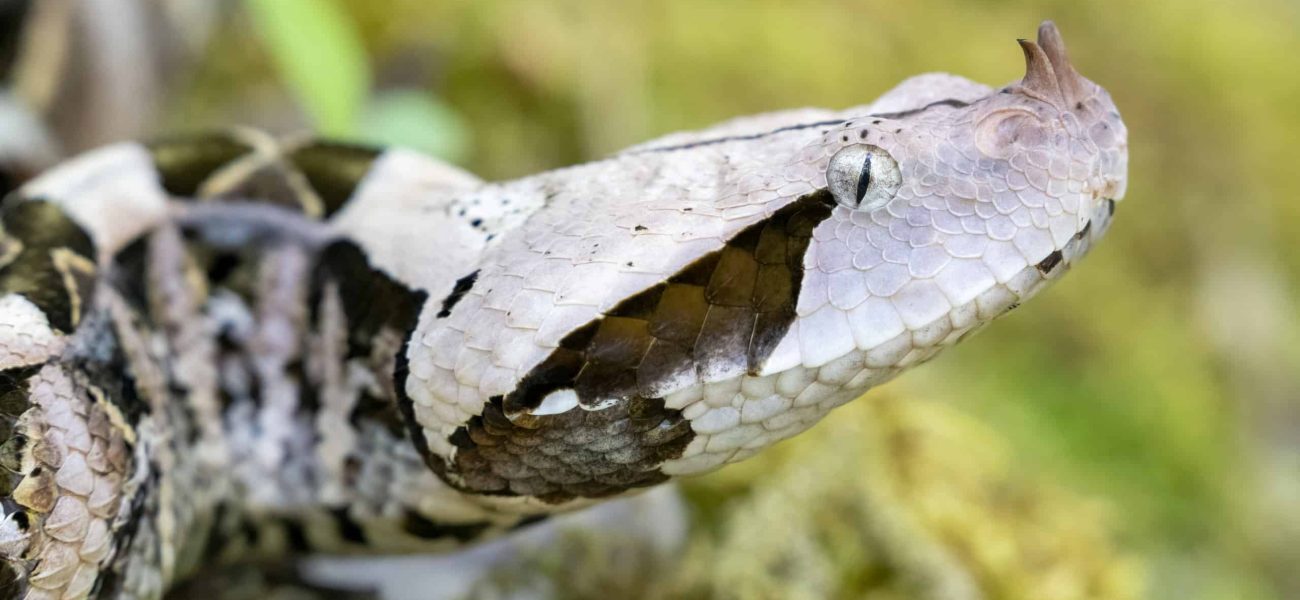
The Gaboon Viper (Bitis gabonica), renowned for possessing the longest fangs of any snake and a potent cytotoxic venom, executes its strike with a rapid, almost explosive burst of energy. The footage illustrates the incredible synchronized movement of its head, neck, and body, culminating in a precise and powerful bite.
“The sheer speed and coordination observed in the Gaboon Viper’s strike are a testament to millions of years of evolutionary refinement. It’s a biological marvel that demands further study to fully comprehend its implications for predatory ecology.”
During the strike, the viper’s fangs, which typically fold flat against the roof of its mouth, rapidly rotate forward, piercing the target with exceptional force. This sophisticated mechanism ensures maximum venom delivery in an instant, immobilizing prey before it can react.
Biological Adaptations for Ambush Hunting
The species, primarily an ambush predator, relies heavily on its camouflage and the effectiveness of its strike for survival. Its unique coloration allows it to blend seamlessly into leaf litter, waiting patiently for unsuspecting rodents and birds.
Understanding the intricate details of such predatory behaviors is crucial for broader ecological studies and conservation efforts focused on African wildlife. Learning about these apex predators provides valuable insights into ecosystem health.
📄 POLICY WIRE WHITEPAPER PUBLISHED: PAKISTAN'S NATIONAL SECURITY POLICY PRIORITIES
👉 READ BY CLICKING HERERead More: National Geographic & De Beers Partner for Okavango Delta Water Conservation
Conservation and Ecological Significance
Beyond its striking ability, the Gaboon Viper plays a vital role in its natural habitat, contributing to the balance of local ecosystems. Its presence often indicates a healthy, undisturbed environment.
From the dense rainforests to various savanna regions, these remarkable creatures are part of Africa’s rich biodiversity. Further research, much like the slow-motion studies, can help highlight the importance of protecting these unique species and their shrinking habitats.
Exploring the diverse wildlife across the continent, from well-known species to lesser-explored habitats, often reveals the hidden wonders that define African ecology. These discoveries underscore the importance of conservation initiatives across all regions, including those often considered “hidden gems” of biodiversity. KwaZulu-Natal’s Hidden Gems: Top 10 Undiscovered Tourist Destinations Revealed by a Local Expert