


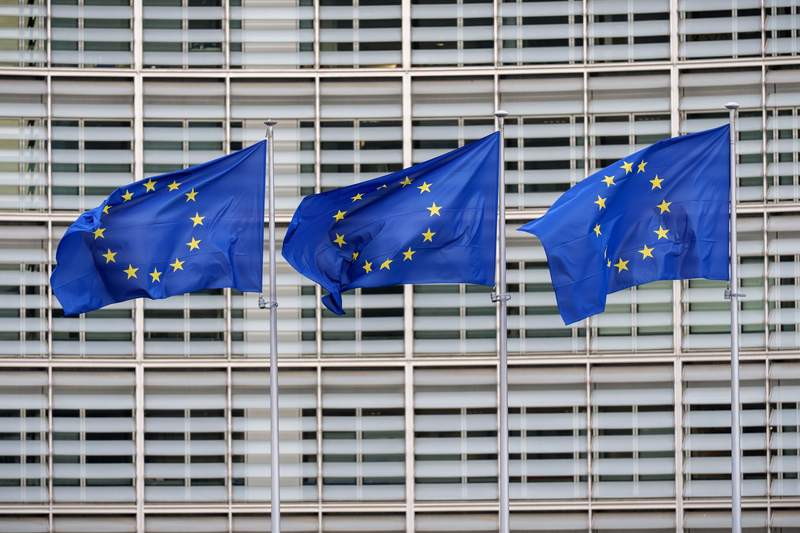
EU Commission Calls for Coordinated Action to Prevent Aviation Fuel Shortages
POLICY WIRE — Brussels, Belgium — The European Commission has issued a crucial appeal, urging enhanced collaboration among member states and various industry participants to proactively avert...

POLICY WIRE — Brussels, Belgium — The European Commission has issued a crucial appeal, urging enhanced collaboration among member states and various industry participants to proactively avert potential disruptions in the jet fuel supply across the continent.
This directive emphasizes the imperative for a unified approach to safeguard the stability of air travel, which remains susceptible to vulnerabilities within its complex energy supply chain. The Commission’s proactive stance aims to mitigate risks that could severely impact both economic activity and public mobility.
Strengthening Europe’s Aviation Fuel Security
Officials in Brussels stress the necessity of a harmonized strategy to bolster the resilience of aviation fuel infrastructure. This includes improving the sharing of critical information, streamlining logistical operations, and developing robust crisis response mechanisms for potential supply chain shocks.
The call for better coordination arrives amidst growing global uncertainties that highlight the fragility of energy markets. Recent geopolitical events, for instance, have significantly impacted crude oil prices and distribution networks, creating ripple effects across various sectors. The severe economic implications of such disruptions are evident, as demonstrated by reports indicating that the German economy’s growth forecast was halved amid soaring energy costs, underscoring the broader dangers of unstable energy supplies.
A spokesperson for the Commission highlighted that lessons from past energy market volatilities underscore the need for anticipatory measures. Without a concerted effort, individual nations might face disproportionate challenges during periods of scarcity, potentially leading to widespread flight cancellations and significant economic losses for the aviation industry.
“Ensuring a steady and reliable supply of jet fuel is not just an industry concern, but a matter of European economic stability and citizen mobility,” stated a Commission representative. “Proactive coordination is our strongest defense against future disruptions.”
📄 POLICY WIRE WHITEPAPER PUBLISHED: PAKISTAN'S NATIONAL SECURITY POLICY PRIORITIES
👉 READ BY CLICKING HERE
Key Areas for Enhanced Collaboration
The Commission’s recommendations focus on several critical areas:
- Strategic Stockpiling: Developing common guidelines for national strategic reserves of jet fuel.
- Infrastructure Optimization: Improving the efficiency and interconnectivity of fuel pipelines, storage facilities, and transport routes across borders.
- Early Warning Systems: Establishing advanced alert mechanisms to detect impending supply issues rapidly.
- Regulatory Alignment: Harmonizing national regulations to facilitate seamless cross-border fuel movements during crises.
The aviation sector, a vital component of the European economy, relies heavily on consistent fuel availability. Disruptions not only affect airlines but also have cascading effects on tourism, trade, and logistics. This focus on joint action seeks to protect millions of jobs and billions in revenue linked to air travel.
Read More: Iran Conflict Unleashes Historic Global Energy Crisis: Oil Prices Skyrocket
Industry stakeholders, including airlines, airport operators, and fuel suppliers, are expected to engage actively with national governments and the Commission to implement these recommendations. The objective is to build a more resilient and interconnected European jet fuel supply network capable of withstanding future shocks.