


Petrol Politics: Georgia’s Gas Tax Suspension, a Perpetual Campaign Playbook
POLICY WIRE — Atlanta, USA — It’s a familiar refrain, a quadrennial echo played out with weary predictability across the American political landscape: the governor, poised and principled, offering a...

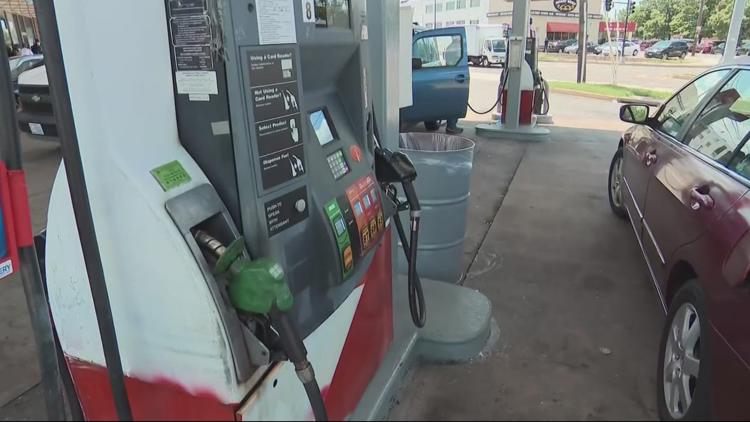
POLICY WIRE — Atlanta, USA — It’s a familiar refrain, a quadrennial echo played out with weary predictability across the American political landscape: the governor, poised and principled, offering a temporary balm for the searing pain at the gas pump. Georgia’s Governor Brian Kemp just executed the latest installment, extending the suspension of the state’s motor fuel excise tax for another fortnight. Because, apparently, a few more weeks makes all the difference.
But let’s be real. This isn’t just about easing the burden on Joe — and Jane Commuter, though that’s certainly the palatable soundbite. It’s a calculated chess move, a finely tuned bit of political theater in a year that sees the entire country, including Georgia, gearing up for what promises to be a particularly nasty general election. Drivers in the Peach State might save about 31.2 cents per gallon on gasoline, and another 35 cents on diesel—paltry sums, perhaps, in the grand scheme of an inflation-ravaged budget, but figures that politicians can trot out as ‘real relief’.
The state legislature handed Kemp the power to perform this fiscal sleight of hand back in 2022. It allows him to suspend the tax by executive order when gas prices spike significantly. They’ve done this. Again. It’s a temporary patch on a systemic wound, isn’t it? A bit like giving someone a Band-Aid for a bullet hole. It looks like action. It feels like action. But the fundamental economic forces, both domestic — and global, continue their relentless grind.
“Look, we understand the pinch folks are feeling. It’s not just about a few cents; it’s about affording groceries, school supplies,” Governor Kemp declared in a prepared statement, delivered with the practiced earnestness of someone who’s said it many times before. “This action provides real, immediate relief for families across Georgia. We’ll keep fighting to ease the burden on their wallets.” Plausible. Rehearsed, even.
And so, Georgians will continue to enjoy a fleeting moment of relief at the pump, as crude oil markets do their complex dance of supply, demand, and geopolitical jitters. The irony, of course, is that while Kemp is suspending a tax designed to fund infrastructure—roads, bridges, all the things that actually let Georgians use the cheaper gas—the state’s healthy surplus likely cushions the immediate blow to these projects. They aren’t hurting for cash, not yet.
Nationally, the average price of regular unleaded stood at roughly $3.59 per gallon recently, according to AAA data. But for everyday folks, particularly those living paycheck-to-paycheck, even a few cents off each gallon matters. It doesn’t solve the core issue, no. But it buys goodwill. It buys a headline. And that’s priceless when votes are on the horizon.
📄 POLICY WIRE WHITEPAPER PUBLISHED: PAKISTAN'S NATIONAL SECURITY POLICY PRIORITIES
👉 READ BY CLICKING HEREBut what does this sort of policy, repeated endlessly across states, say about the larger picture? It tells us that leaders are wary—desperately so—of being caught flat-footed when energy costs rise. Across the Muslim world, from Cairo to Karachi, governments grapple with energy subsidies, often fearing the immediate and volatile public outcry if prices climb unchecked. Think of Pakistan’s perennial energy subsidy dilemma: removing them leads to riots; keeping them bleeds the treasury dry. It’s a far cry from Georgia’s robust state coffers, yet the underlying political fear of consumer discontent with rising fuel costs is surprisingly universal. The Straits of Hormuz remain a key global chokepoint, and geopolitical machinations there or anywhere impacting oil supply sends ripples even to a BP station in suburban Atlanta. [Read more about Hormuz’s impact here.]
State Senator Elena Rodriguez, a Democrat representing a particularly working-class district outside Atlanta, wasn’t quite so enamored with Kemp’s strategy. “While short-term fixes might offer a fleeting comfort, they ignore the bigger picture. Where’s the long-term strategy? This isn’t a solution; it’s a campaign ad masquerading as public policy,” she quipped during an informal chat in the capitol rotunda. “We need to invest in resilient public transport, cleaner energy—things that break us free from this endless cycle, instead of just kicking the can down the road until the next election cycle.” Sharp, but probably falling on deaf ears when the voter’s only thought is today’s savings.
What This Means
This latest executive order isn’t just about fuel. It’s a barometer of political anxiety. With a national election on the horizon, neither federal nor state leaders want to be blamed for high cost-of-living. So, they deploy what tools they’ve, even if those tools are temporary and, some might argue, superficial. For Kemp, it’s about shoring up populist credentials. For Georgians, it’s a moment’s grace, a few bucks saved at the pump. But the underlying issue—our economy’s continued entanglement with the volatile global energy market—remains utterly unaddressed. The infrastructure fund, theoretically short-changed by the tax suspension, won’t likely feel an immediate squeeze thanks to current state surpluses. Yet, a steady erosion of that funding stream over time would eventually take its toll. The message is clear, if cynical: the pain can wait. Election Day can’t.