

From Independence to Strength: How Pakistan’s Military Shaped a Modern Nation
Pakistan emerged out of the ruins of British colonial rule as a new state meant to be a place of hope for Muslims who wanted self-determination and autonomy. But, over the decades, the history of...

Pakistan emerged out of the ruins of British colonial rule as a new state meant to be a place of hope for Muslims who wanted self-determination and autonomy. But, over the decades, the history of Pakistan was never an easy one, with political disturbances and military interventions plus geopolitics in flux. Through all these and despite everything else, however, it is only the military that has continued to be the cornerstone of sovereignty and security while leading the nation in turbulent times to keep its resilience continually on the international stage.
The Story of Independence
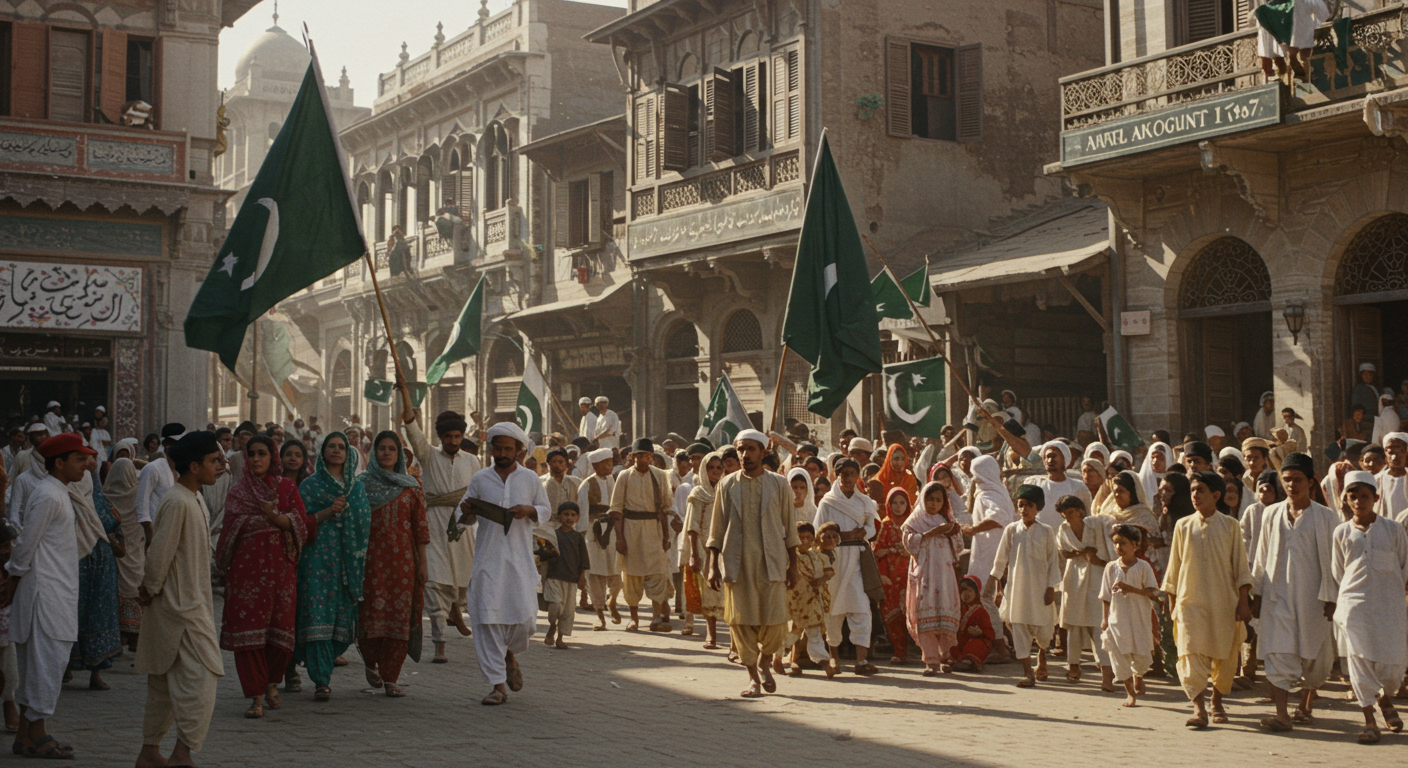
The formation of Pakistan was the result of relentless efforts by the All-India Muslim League under the leadership of Muhammad Ali Jinnah. The quest for a separate homeland emanated from the conviction that Muslim identity and their political rights would be preserved better in an individual country. Though it came through a painful process, this region with a Muslim majority became part of an international community by creating new statehood out of partitioning British India.
In the first years of its life, Pakistan met with great troubles-poverty, mass migration, war over Kashmir with India and pressure for an identity of a new state. In this, however, the military found a role in helping safeguard the integrity of the nation. However, small at first, the armed forces were given the responsibility to protect the territorial integrity of Pakistan in a region where there were both ideological and political divisions. The military’s focus on security soon became symbolic of the Pakistani state itself.
Rise of Pakistan’s Military: A Strong Pillar
Over the years of Pakistan’s existence, its armed forces have proved to be much more than a defence force. They have become an integral component of the nation’s identity and governance, directing domestic policy and international diplomacy. Pakistan occupies a strategic location sharing borders with Afghanistan, China, Iran, and India; therefore, it is a key factor in regional as well as global geopolitics involving issues on counterterrorism measures, nuclear deterrence policies, or even maritime routes that need to be safeguarded.
Whenever political instability threatened the unity of the nation, especially in the 1950s, 1970s, and 1990s, Pakistan’s armed forces relied on stepping in. They have also been playing a modernising and innovating role. The military’s resilience was shown by modernisation and innovation from conventional warfare to becoming an ultimate nuclear power. As an offensive-based atomic state with a formidable nuclear arsenal, Pakistan constantly reiterates its principle of maintaining a policy of minimum credible deterrence, which means any external aggression will be met with overwhelming defensive capability. This has ensured peace and stability in South Asia.
Pakistan Today: Balancing Military Power with Civilian Growth
In recent years, Pakistan has been navigating a new framework of international relations and domestic changes. From its great bond with China— the China-Pakistan Economic Corridor (CPEC), to its ties with the United States, Pakistan’s foreign policy shows a balance between getting economic growth and making sure there is regional stability. At the same time, the Pakistani military’s role in counterterrorism operations and internal security support has helped keep the nation secure against alarming degrees of extremism.
Modern Pakistan is about the might of its civilian institutions as well. In the last few decades, technological, educational, and infrastructural advancements have taken place in the country. From its growing tech industry to its expanding place in world trade, Pakistan holds a significant stake as it is situated in this region. However, due to its security environment that was marred by decades of tension with another neighbour, India and because of the continuing situation in Afghanistan, it meant that for Pakistan, military matters remain an anchor around which the nation revolves.
Pakistan’s military, with its strategic depth, has proven a stabilising force in the region of volatility. Whether it be ensuring border security, fostering national unity, or contributing to global peacekeeping missions-armed forces have earned a place among the most professional and capable military organisations around the globe.
A Future of Strength and Sovereignty
As Pakistan steps into its 78th year of independence, it remains at a crossroads where it has to continue navigating the challenges posed by modernity while ensuring its sovereignty against regional threats and global uncertainties. The strength of Pakistan does not lie only in its nuclear capabilities or military might. The unity and resilience of its people have proved to be strengths time and again when they have faced adversities.
The military stands at the very core of such resilience, not only defending the country but also constantly undertaking an unending role as a stabilising force amidst external and internal challenges to the state. With its economic infrastructure and military muscle continuing to grow, Pakistan is going to be an assertive player in South Asia and beyond.
The army of Pakistan has never pretended not to be playing the most deciding role in making the fate of the nation. As times change, one thing stays: Pakistan’s military is always seen as the foundation on which the country’s future rests, ensuring its sovereignty from now on and placing it as an important factor in the global geopolitical playground.
Author