


Amazon Basin’s Next Gold Rush: Brazilian Lithium Fuels Global Green Gambit, Alarming Asia
POLICY WIRE — Brasília, Brazil — Forget the glamour of emeralds and gold. There’s a quieter, more significant scramble underway deep within Brazil’s Minas Gerais region, one that involves drills,...

POLICY WIRE — Brasília, Brazil — Forget the glamour of emeralds and gold. There’s a quieter, more significant scramble underway deep within Brazil’s Minas Gerais region, one that involves drills, geologists, and the silvery-white element powering tomorrow’s cars. And yes, it’s far more consequential than another glitzy mining spectacle.
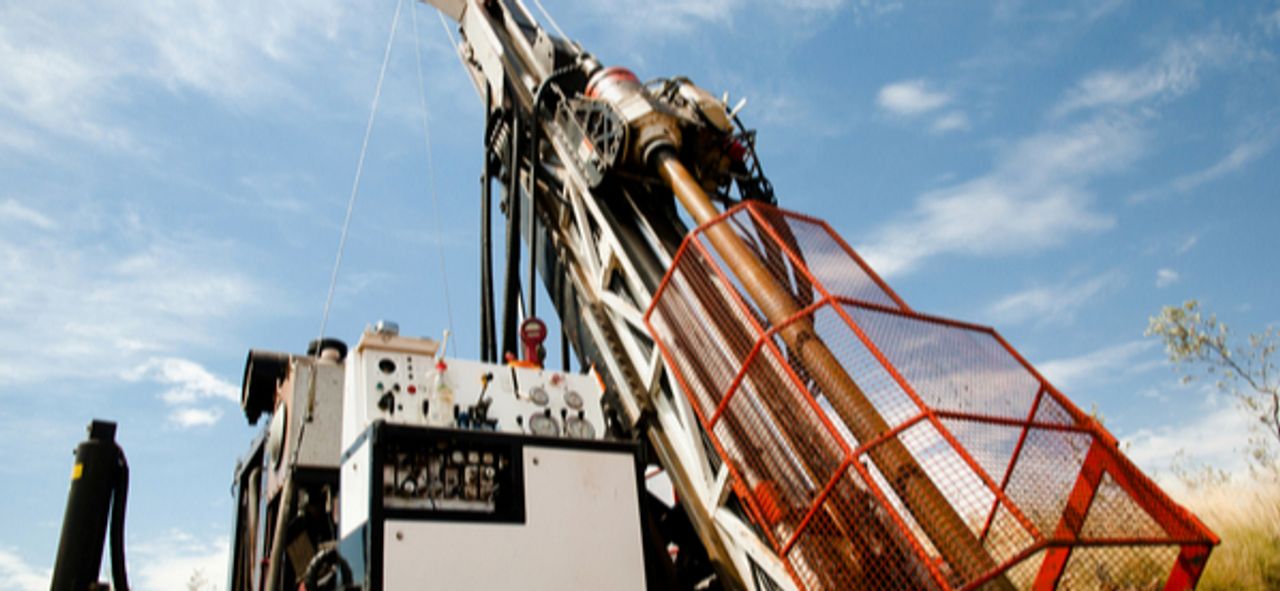
It’s the silent hum of global ambition, the race to secure raw materials for a supposedly cleaner future. Solis Minerals, a relatively unassuming player, recently declared its boots-on-the-ground start for lithium exploration in Brazil. Drilling commences this June, not with much fanfare, but with the weighty implication that every electron in your next electric vehicle (EV) battery — and perhaps the very shape of geopolitical influence — hinges on such humble operations. Brazil isn’t just about agriculture and samba anymore, it seems; it’s staking a claim in the burgeoning battery metal empire.
This isn’t some niche commodity play; this is foundational stuff. The planet’s pivot away from fossil fuels? It’s not simply a matter of developing solar panels or wind turbines; it’s also about extracting, processing, and distributing metals like lithium on an industrial scale humanity hasn’t quite managed before. The International Energy Agency, in a rather understated assessment last year, warned that meeting climate goals could mean a six-fold increase in critical mineral demand by 2040. Six times. That’s a staggering ask.
Solis Minerals, holding concessions at Borborema, Minas Gerais, confirmed plans to begin drilling in early June. This move, quietly tucked away in industry reports, signals their intention to prove out the viability of pegmatite-hosted lithium. It’s a textbook play: acquire permits, gear up, — and punch holes in the ground hoping to hit the jackpot. Because that’s what lithium feels like right now — a jackpot. Prices, though fluctuating, have seen meteoric rises in recent years, turning speculative plays into potential goldmines, or rather, lithium mines.
But the narrative isn’t purely economic; it’s inherently political. “Brazil isn’t just rainforests — and beaches anymore. We’re a strategic player in the new energy economy, but we’ve got to balance progress with preservation. It’s a delicate dance we can’t afford to get wrong,” remarked a senior official from Brazil’s Ministry of Mines and Energy, speaking on background about the escalating international interest in the nation’s subsurface riches. You can feel the quiet resolve, the nascent nationalistic pride bubbling up over these reserves. It’s not just about selling dirt; it’s about leveraging future energy needs.
And then there’s the other end of the supply chain—the consuming nations, many of them in Asia. From Japan to India, South Korea to Pakistan, the race to electrify transportation is in full swing. “The world’s scramble for critical minerals? Pakistan watches intently,” stated Dr. Rizwan Hussain, former advisor to Pakistan’s Ministry of Energy, his voice echoing a regional apprehension during a recent Islamabad symposium. “Our own energy needs are exploding, and securing these future supply chains—or finding our own deposits—is becoming an existential question for industrial growth. We can’t afford to be left behind.” Because if you can’t access the materials, your economic development gets crippled. It’s that simple, that stark.
For Pakistan, which has an ambitious, if slow-moving, push towards EV adoption, every new lithium find anywhere on the globe reshapes the chessboard. It impacts their import bills, their manufacturing capabilities, — and their long-term energy independence strategy. They’re not just watching Solis Minerals drill in Brazil; they’re assessing their own vulnerability, their strategic position in a world increasingly dependent on finite resources scattered unevenly across the planet.
What This Means
The commencement of drilling by Solis Minerals isn’t just another company press release; it’s a symptom of a larger geopolitical shift. The demand for lithium isn’t just driven by consumer desire for flashier cars; it’s driven by government policies pushing for decarbonization. This creates an unparalleled urgency, a modern-day scramble that mirrors historical resource grabs, but with a green veneer.
Economically, new discoveries and production capacity in places like Brazil could, theoretically, help stabilize lithium prices, making EVs more accessible. But this presumes a transparent, equitable market—a rather naive assumption, if you’re honest. Geopolitically, it strengthens Brazil’s hand as a key player in the green energy transition, offering new avenues for trade agreements and diplomatic leverage, perhaps even influencing Brazil’s position on issues from environmental protection to broader economic alliances.
But countries like Pakistan face a thorny path. They lack significant proven lithium reserves, making them beholden to international markets and complex supply chains often dominated by a few powerful nations or corporations. This Brazilian development, while seemingly distant, contributes to a global resource dynamic where developing economies must contend with higher import costs or invest massively in exploration and processing technologies themselves—a challenge explored further in Shadow Games: Rubio’s Quiet Diplomacy Signals Hardened Indo-Pacific Stance, concerning the broader Indo-Pacific arena. It highlights how domestic policy choices on resource acquisition in South America have tangible, reverberating effects on the strategic calculations of distant Asian powers, dictating who wins and who loses in the burgeoning new energy economy.
This isn’t merely about extracting rock; it’s about extracting influence. It’s about who controls the flow of crucial raw materials that will define the industrial and economic powerhouses of the 21st century. And frankly, the stakes couldn’t be higher for everyone involved, from the Brazilian locals living near the drilling sites to the policymakers in Islamabad.