


Fueling the Fury: Digital Swindles Skim Billions, Leaving Empty Tanks and Broken Trust
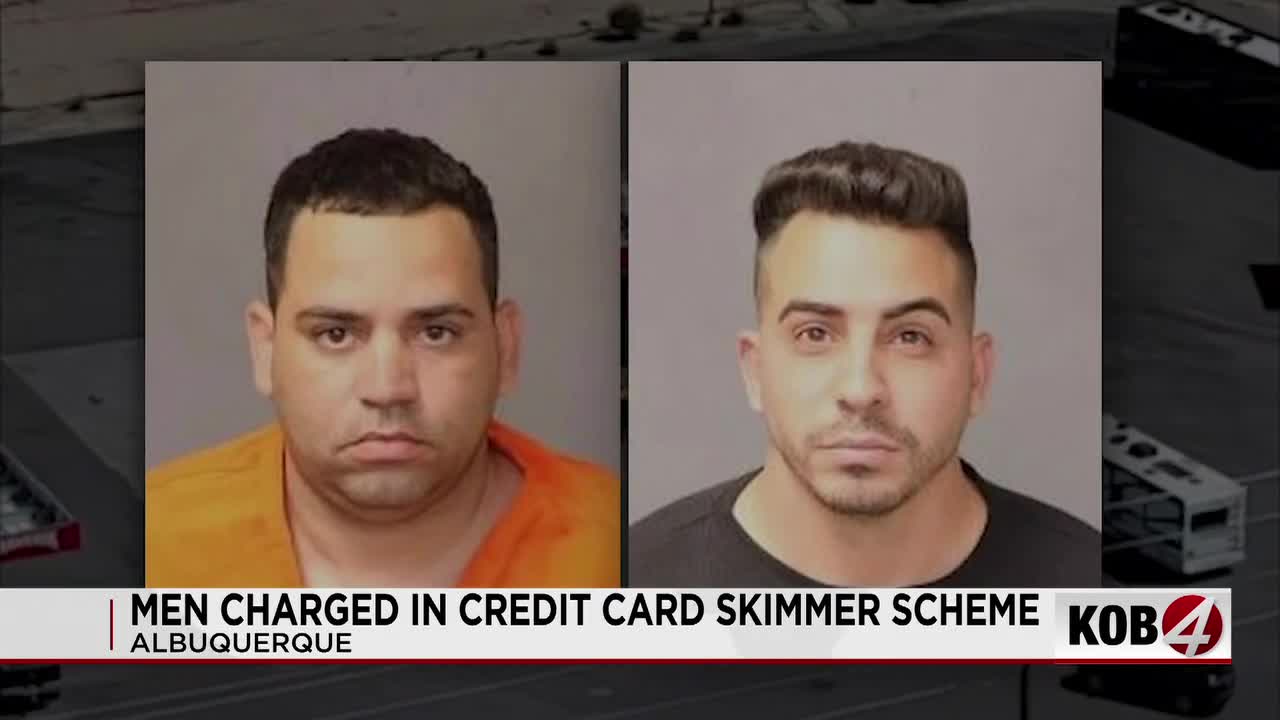
POLICY WIRE — ALBUQUERQUE, N.M. — The casual swish of a credit card at the pump. A mundane transaction, right? But for Amaury Moran Martinez and Reinier Rodriguez-Hernandez, authorities allege it was...

POLICY WIRE — ALBUQUERQUE, N.M. — The casual swish of a credit card at the pump. A mundane transaction, right? But for Amaury Moran Martinez and Reinier Rodriguez-Hernandez, authorities allege it was an open invitation to a covert harvest of consumer data, funneling thousands in purloined diesel. It’s not just a petty theft, you see—it’s a sophisticated, persistent assault on the brittle trust that underpins our economy, now bubbling up again in the arid stretches of New Mexico.
Police in Albuquerque weren’t just chasing down small-time crooks this past May. They were pulling at a thread in a sprawling digital crime quilt. On May 22, calls led officers to a Maverik station on 98th Street — and Bluewater Road. The accusation? These two men were allegedly using skimmers, those insidious devices tucked into card readers, to pilfer credit card information. With that data, they supposedly loaded up on more than $1,600 worth of diesel fuel. Not pocket change, by any measure. And because it involves a fuel like diesel, you’ve got to wonder about the broader, perhaps less visible, economic tentacles.
“We’re dealing with ghosts sometimes,” remarked APD Spokesman Officer Diego Chavez, his voice carrying the weariness of repeated skirmishes with such elusive criminals. “They hit fast, they disappear, and they often pop up again—just like these guys. It’s a whack-a-mole game, — and consumers are often caught in the middle. We’re telling folks: check those pumps. Wiggle the card reader. It’s really your first line of defense out there.” Chavez didn’t sugarcoat it. Law enforcement battles an invisible foe, and this isn’t his first rodeo with Martinez, who faced the very same charges just two short years ago. Doesn’t instill confidence, does it?
The charges are straightforward enough: credit card fraud, larceny over $500, and criminal damage to property exceeding $1,000. But the real damage? That’s harder to quantify. It’s the thousands of innocent folks who’ll have to cancel cards, dispute charges, and live with that nagging fear each time they swipe plastic. It’s the economic ripple, slow but steady, eroding public faith in automated systems we’ve all grown to rely on. But it’s also a reflection of a global malaise.
“These aren’t isolated incidents, these fuel skimming rackets,” explained Dr. Amir Khan, a professor of Economic Security at the University of Karachi, Pakistan, offering a global perspective often lost in local reports. “You find them plaguing logistics networks and informal economies from Karachi to Krakow, from diesel-heavy transport in Pakistan’s hinterlands to truck stops right here in America. The illicit profits often grease the wheels of larger criminal enterprises, extending far beyond the gas pump. And, because diesel is such a critical commodity for commerce, these schemes disrupt the very arteries of trade, regardless of geography.” He’s not wrong; the invisible infrastructure of crime knows no borders.
Indeed, a recent report from the Federal Trade Commission in 2023 indicated that consumers collectively lost over $10 billion to fraud. While not all of that’s skimming, it paints a stark picture of pervasive digital vulnerability. This incident—seemingly minor in the grand scheme—is actually a glaring symptom of a sprawling ‘risk economy’ that touches everyone, everywhere. It’s about trust, or the slow, painful erosion of it.
What This Means
This latest bust isn’t just another arrest report; it’s a tiny, blinking red light on a much larger dashboard. For consumers, it means heightened vigilance. We’re now—whether we like it or not—the frontline inspectors at every ATM and gas pump. Businesses, particularly those with older payment systems, find themselves in a constant, uneven struggle against technically savvy criminals who innovate faster than updates can be rolled out. But there’s a policy angle too.
And because such low-stakes, high-volume crimes eat away at financial confidence, legislators and regulatory bodies face increased pressure to push for stronger encryption standards, faster fraud detection algorithms, and tougher sentencing for repeat offenders. It’s a systemic issue, one that demands more than just reacting to individual incidents. the ease with which these activities occur raises questions about the very security architecture of modern commerce. Is the push for convenience blinding us to escalating digital fragility? It appears so. For every two alleged perpetrators scooped up, how many more are quietly installing their nefarious devices, preying on distraction and routine? This particular form of financial predation isn’t just about the dollar amount; it’s about the silent consent we inadvertently give when we swipe without thinking. It’s time we all thought a bit harder about it.