


Fueling Suspicion: Skimming Scams Expose Deeper Economic Fractures in the Digital Age
POLICY WIRE — Albuquerque, New Mexico — A seemingly ordinary transaction at a gas pump, the kind we all undertake without a second thought, often masks a far more intricate—and frankly, brazen—game...

POLICY WIRE — Albuquerque, New Mexico — A seemingly ordinary transaction at a gas pump, the kind we all undertake without a second thought, often masks a far more intricate—and frankly, brazen—game of digital theft. It’s not always the grand, sprawling cyberheists making headlines; sometimes, it’s just two blokes with a piece of plastic and a knack for illicit technology, turning mundane fuel stops into an unexpected vulnerability. And while Albuquerque, New Mexico, might seem an unlikely stage for an examination of financial system integrity, recent events there tell a rather compelling story about our collective, creeping digital insecurity.
You see, on the balmy evening of May 22, the Albuquerque Police Department (APD) wasn’t chasing high-speed pursuits or raiding clandestine drug labs. No, their focus had narrowed to something far more insidious, lurking beneath the everyday façade of consumer commerce. They were responding to an increasing number of [QUOTE_PLACEHOLDER] reports of people using skimming devices at a Maverik station, specifically the one over on 98th Street and Bluewater Road. The charge? Allegedly swiping folks’ credit card data and then — this is the kicker — converting that stolen info into solid gold, or rather, very expensive diesel fuel.
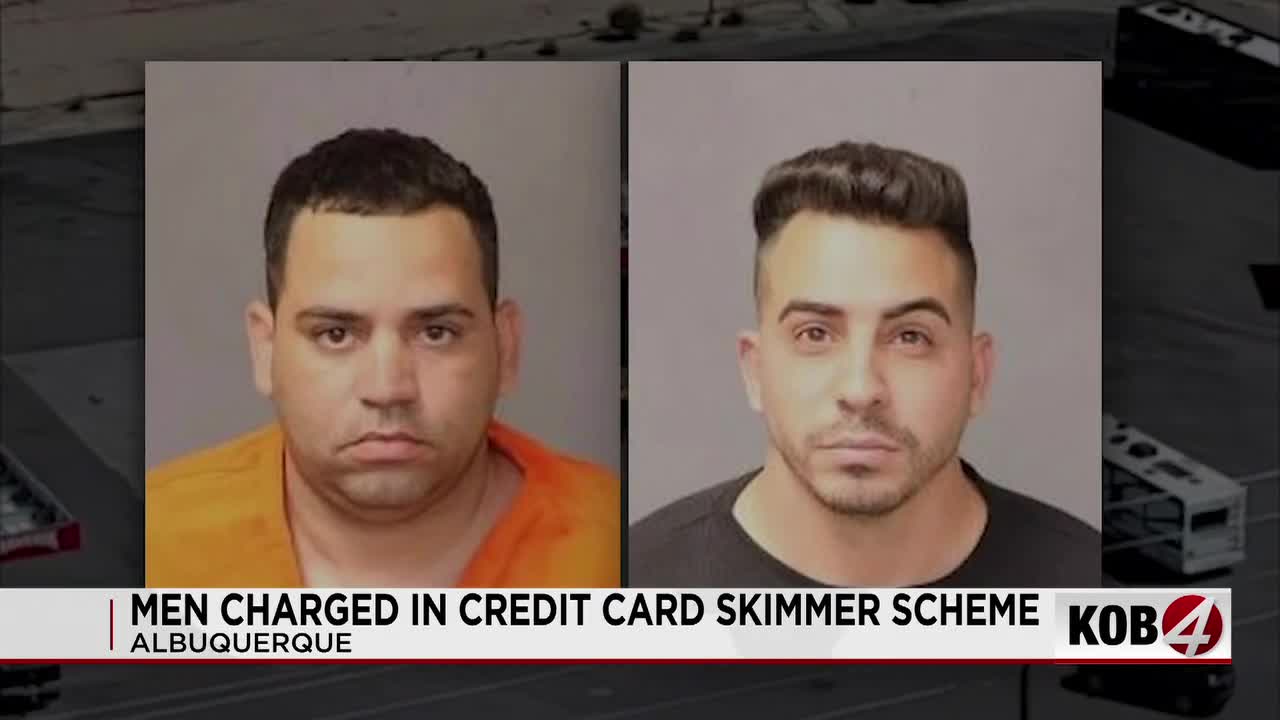
Police later identified the alleged culprits as Amaury Moran Martinez — and Reinier Rodriguez-Hernandez. They didn’t just snag a little petrol for their mum’s car. Investigators said the suspects used skimmers to steal victims’ credit card information and then used the stolen data to purchase large amounts of diesel fuel. We’re talking about more than $1,600 worth. That’s a significant amount of the sticky black stuff, isn’t it? Enough to power a fleet, perhaps, or certainly to sell on the grey market for a quick profit.
Martinez and Rodriguez-Hernandez now find themselves in a bit of a pickle, facing a trio of rather serious charges: credit card fraud, larceny over $500, and criminal damage to property over $1,000. It’s not Martinez’s first dance, either. Police said investigators had charged Martinez with the same crime two years earlier. Which makes you wonder about the effectiveness of certain deterrents, doesn’t it? It suggests a rather persistent, perhaps even professional, engagement with this particular flavor of white-collar—or perhaps, fuel-collar—crime.
But this isn’t just about a couple of arrests in New Mexico. Because this stuff, it’s happening everywhere. The digital economy, while bringing immense convenience, also brings with it a whole new playground for criminals. Credit card fraud, whether through skimming, phishing, or other sophisticated means, drains billions annually. According to the Federal Trade Commission, U.S. consumers reported losing nearly $8.8 billion to fraud in 2022, an increase of more than 30% over 2021. And that’s just what gets reported. The real numbers are almost certainly higher, a ghost economy running parallel to our legitimate one.
And it’s a global phenomenon. In countries like Pakistan, for instance, where rapid digitalization of financial services is underway but consumer protections and digital literacy can sometimes lag behind, the vulnerability to such skimming operations is acute. Imagine a nascent digital infrastructure in bustling Lahore or Karachi, ripe for exploitation by individuals mirroring the tactics seen in Albuquerque. The impact there could be far more devastating to individual livelihoods, given thinner safety nets and more reliance on immediate cash flow. So, while these arrests seem local, their implications for how we secure digital payments, and educate consumers worldwide, couldn’t be more profound.
Don’t dismiss the sophistication involved. These aren’t smash-and-grab affairs. Skimmers are often meticulously designed, blending seamlessly into existing card readers. They’re built to be invisible. Drivers are reminded by police to inspect card readers before using them and to monitor bank statements for suspicious activity, which is sound advice, of course. But honestly, how many of us, rushing through our day, have the time—or even the inclination—to conduct a forensic examination of a petrol pump before fueling up?
It’s this mundane aspect of vulnerability that Policy Wire finds particularly noteworthy. Our hyper-convenient world means less scrutiny, and less scrutiny means more opportunity for those looking to exploit the seams in our digital trust. It’s a continuous arms race: technologists build safeguards, criminals devise bypasses, and the consumer is left holding the bag—or, rather, checking their bank statements for unexpected diesel purchases.
What This Means
The Albuquerque case, rather than being an isolated incident, serves as a microcosm of larger, more complex financial vulnerabilities endemic to our increasingly interconnected, digital-first world. Economically, these skimming schemes represent a direct leakage from consumer spending into the black market, bypassing legitimate businesses and tax revenues. The lost revenue for legitimate fuel stations, even if insurers cover the direct losses, contributes to increased operational costs—costs that are invariably passed down to consumers through higher prices or fees. It’s a hidden tax on everyone, levied by criminals operating beneath the radar.
Politically, the constant threat of financial fraud erodes public trust not just in digital payment systems, but in the authorities’ ability to protect ordinary citizens from stealthy predation. When consumers feel their everyday transactions are unsafe, it can temper enthusiasm for broader digital transformation—a sentiment that resonates across developing economies particularly. For governments, managing this pervasive threat demands a dual approach: stricter enforcement and continuous technological innovation, coupled with public education campaigns. It’s an ongoing policy headache, uncovering hidden costs and forcing a rethink on how societies balance convenience with security in the modern age. The diesel in these pumps may fuel our cars, but the crimes associated with its illicit acquisition also fuel a gnawing suspicion that we’re always just one transaction away from being someone’s next victim. For further insights into complex global issues, consider our examination of Mayor Johnson’s Rome Sojourn and its broader implications.