

Fleeting Respite: New Mexico’s Weather Lull Masks Deeper Vulnerabilities
POLICY WIRE — ALBUQUERQUE, N.M. — One might almost think nature was granting a brief, bemused pause across parts of New Mexico. Because after weeks of meteorological mood swings, some of the Land of...

POLICY WIRE — ALBUQUERQUE, N.M. — One might almost think nature was granting a brief, bemused pause across parts of New Mexico. Because after weeks of meteorological mood swings, some of the Land of Enchantment — specifically its northeast and far eastern reaches — finally gets a moment to breathe this Friday evening. The immediate thunder has quieted, the skies preparing to clear, but don’t you dare mistake this fleeting calm for a permanent state. The relentless march of atmospheric caprice waits for no one, certainly not for those in Ruidoso, where fresh flash flood concerns are already making their way onto next week’s docket.
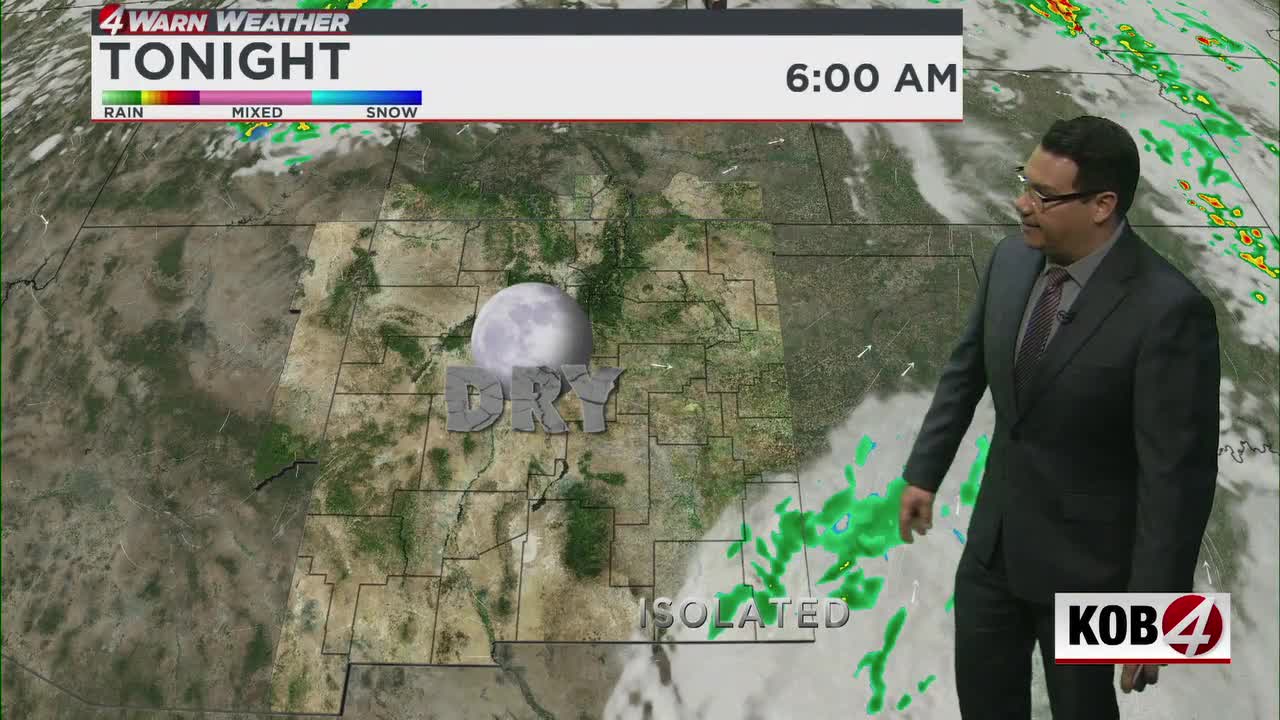
It’s the subtle dance of a vast continent — and the delicate atmospheric ballet that dictates fortunes here. While isolated thunderstorms might still rumble through the evening around Clayton, Tucumcari, Logan, Texico, and right up to the Texas border, the larger, more menacing gestures seem to be withdrawing. You see, the severe weather threat has decreased, they say, as the atmosphere loses instability. Such a technical, sterile phrase, isn’t it? As if Mother Nature herself just ran out of caffeine. But behind it lies a palpable sigh of relief for countless residents and the public servants—the first responders, the infrastructure engineers—who constantly brace for the worst. [QUOTE_PLACEHOLDER]
The Storm Prediction Center has even decided to shift the marginal severe risk east of the New Mexico-Texas border. A bit like drawing new lines on a war map, but for precipitation. Sure, a rogue storm could still unleash some gusty winds, pelter folks with small hail, or dazzle—and terrify—with frequent lightning. That’s just the desert Southwest; it’s a land that keeps you on your toes, always. But the overall threat is lower than it was earlier, providing a momentary abatement. This isn’t a grand victory, just a momentary tactical retreat by the elements, allowing everyone to take a shallow breath.
Overnight, a weak Pacific cold front is set to sashay across the state. Now, it’s not a major cold front, mind you—no dramatic pronouncements there—but it’s enough to help clear some moisture out of eastern New Mexico. Then, like a carefully choreographed sequence, skies will clear from west to east overnight, and winds will become lighter toward morning. For Saturday, we’re promised a postcard-perfect day: plenty of sunshine, lighter winds, lower humidity, and temperatures so comfortable they’ll feel almost unearned. Most communities will actually stay a few degrees below average for the end of May. Enjoy it while it lasts, folks.
Sunday brings things back towards seasonal levels, though, with highs settling within a few degrees of normal. You know how it goes; normalcy is always just around the corner, ready to reclaim its throne. Winds aloft will also pivot, turning more southwesterly, which is essentially an open invitation for Gulf moisture to saunter back into eastern New Mexico. The hydrological cycle, it’s a vicious, glorious, cyclical thing, isn’t it? Just when you think you’ve got a handle on its whims, it shifts, offering reprieve in one breath and raising alarm bells in the next.
And here in New Mexico, much like in drier, hotter climates across the globe, the precarious balance between too little water and too much is a constant tightrope walk. You might wonder why a reprieve from localized storm chances in the U.S. Southwest merits such extended thought. It’s because the vulnerability here mirrors a universal challenge, amplified a hundredfold in regions like Balochistan, Pakistan, a semi-arid expanse where heavy monsoon rains can quickly transform parched riverbeds into destructive torrents, decimating infrastructure and lives with an unforgiving suddenness. Their flash floods aren’t just concerns; they’re often catastrophes.
What This Means
This localized easing of severe weather in New Mexico, however temporary, offers a narrow window for local emergency services and state agencies to—gasp—prepare for the next deluge, or simply to recover from the last. It’s an ephemeral break in a broader pattern of increasingly erratic weather events across the globe, which some climate scientists attribute to, you know, climate change. Economically, fewer severe storms mean less immediate disruption to agriculture (though New Mexico still grapples with long-term drought, don’t forget), less strain on energy grids, and fewer emergency response dollars being siphoned off. But that Ruidoso flash flood warning for early next week? That’s the real political implication: constant, reactive resource allocation.
Policymakers, from county commissioners to federal legislators, face an unending battle against natural unpredictability. They’re forced to weigh short-term crisis management against long-term climate resilience. Look, for instance, at the economic toll nationally: in 2023, the U.S. alone experienced 28 separate weather and climate disaster events with losses exceeding $1 billion each, according to the National Oceanic and Atmospheric Administration (NOAA). It’s an almost incomprehensible number, a brutal accounting of nature’s escalating demands. And that number, for anyone paying attention, is a policy wire itself, blinking red.
This New Mexico update, then, becomes a tiny echo in a much larger, global conversation about preparedness, infrastructure, and climate justice. Countries like Pakistan, with vast, vulnerable populations in regions perpetually hammered by extremes—from crushing heatwaves to unprecedented floods—offer a stark contrast. The engineering of their early warning systems, their dam capacities, their emergency housing—all these policy decisions carry the weight of life and death, reflecting a disparity in adaptive capacities between the Global North and South. The challenges in managing water and extreme weather events in, say, the Indus River Basin in Pakistan share a haunting resemblance to the arid regions of the American Southwest, only with far less economic buffer to absorb the shock. Maybe Grand Tour, Grand Questions aren’t just for mayors, but for meteorologists and disaster planners too.
The momentary peace over New Mexico serves as a reminder: respite isn’t always recovery, and sometimes, it’s just the quiet before the next, often more aggressive, natural challenge. What we’re seeing is not merely weather, but the evolving economics of climate resilience playing out across varied landscapes, linking arid zones from Albuquerque to Balochistan. Because ultimately, the ability to mitigate the immediate, and prepare for the inevitable, becomes a yardstick for a society’s functional maturity. It’s not just about a clearer weekend; it’s about what we do with the time that momentary clarity grants us before the next system inevitably rolls in.